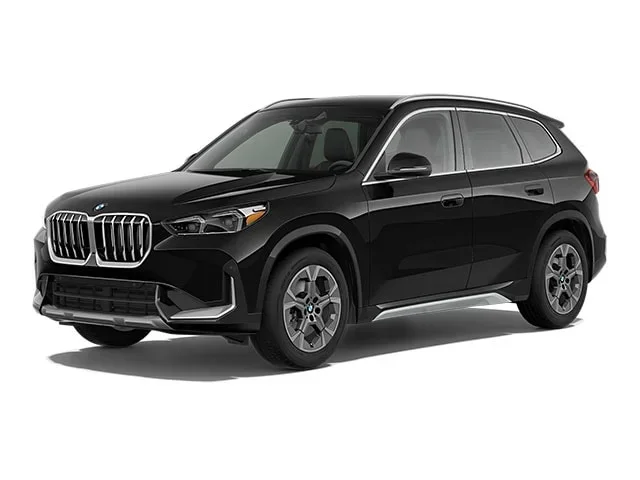
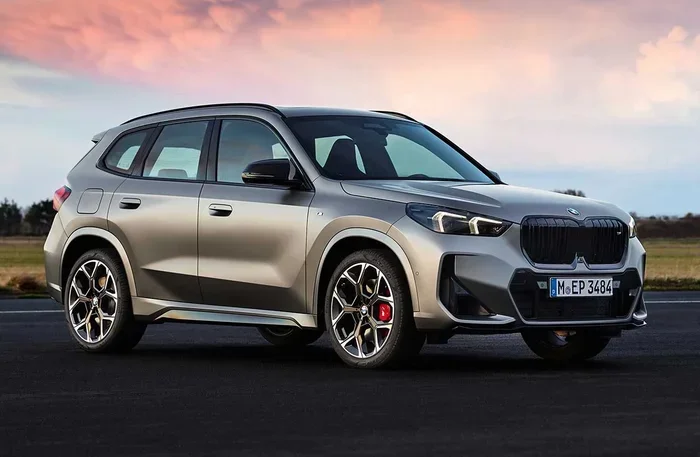
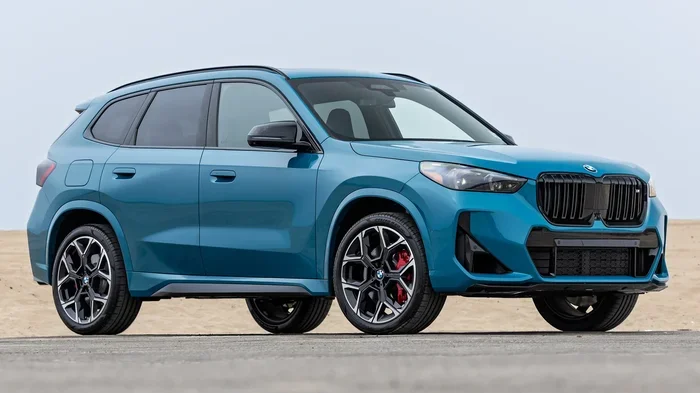
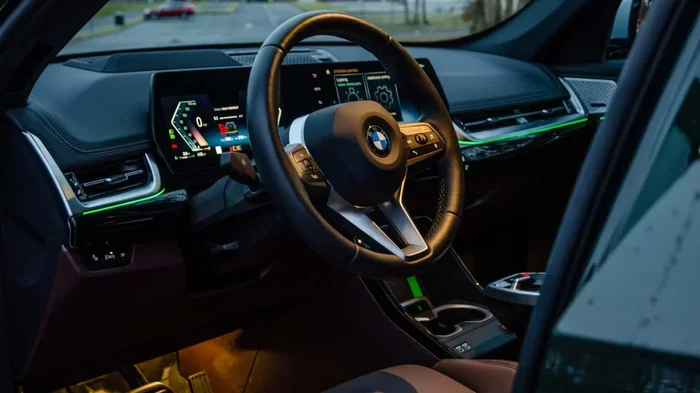
Featured image for BMW X1 driving highway
Image source: motorweek.org
Do BMW X1’s last? Yes, a well-maintained BMW X1 can easily reach 150,000 to 200,000 miles. The second generation (F48) with the B48 engine is widely considered the most reliable. Strict adherence to the maintenance schedule—especially oil changes, coolant flushes, and transmission fluid swaps—is the single biggest factor in longevity. Avoid early first-gen N20 timing chain models if you want the lowest risk.
If you are shopping for a used luxury crossover, you have probably asked yourself: do BMW X1’s last? It is a fair question. German engineering has a reputation for performance, but it also carries a stigma for expensive repairs once the warranty expires. The X1 is BMW’s entry-level SUV, and it has been on the market since 2009. Over three distinct generations, the formula has changed significantly—from rear-wheel-drive platforms to front-wheel-drive architectures, and from problematic turbo four-cylinders to bulletproof modular engines.
The short answer is yes. A BMW X1 can absolutely last a long time. We are talking 150,000, 200,000, even 250,000 miles. But—and this is a big but—it requires a different ownership mindset than a Toyota RAV4 or Honda CR-V. You cannot ignore the service lights. You cannot run cheap fluids. And you absolutely must understand the specific weak points of the model year you are buying. In this deep dive, we will break down every generation, the engines you want (and the ones to avoid), the maintenance items that actually matter, and real-world owner data so you can buy with confidence.
Key Takeaways
- Generational differences matter: The F48 (2016–2022) with the B48 engine is the reliability sweet spot.
- Maintenance is non-negotiable: BMWs demand synthetic oil changes every 5k–7k miles, not the 10k–15k the dashboard suggests.
- Watch the cooling system: Plastic coolant components become brittle with age; proactive replacement prevents catastrophic overheating.
- Transmission fluid is not “lifetime”: Change ZF 8-speed fluid every 60k miles to ensure smooth shifting long-term.
- Certified Pre-Owned (CPO) adds peace of mind: The BMW CPO warranty covers major components for 1 year/unlimited miles after the factory warranty ends.
- Run-flat tires cost more: Budget for expensive tire replacements and consider switching to non-run-flats for a better ride and lower cost.
- High mileage is achievable: Many owners report 200k+ miles on original engines and transmissions with proactive care.
📑 Table of Contents
- Generational Breakdown: Which X1 Lasts Longest?
- The Engines Deep Dive: N20 vs. B48 vs. B38
- Common High-Mileage Failure Points (And How to Prevent Them)
- Maintenance Schedule: The “Real” Intervals
- Ownership Costs: The “BMW Tax” Reality Check
- Real World Data: What Owners Say at 100k, 150k, 200k+
- Buying Guide: How to Pick a Survivor
- DIY vs. Dealer vs. Independent Shop
- Modifications That Help (And Hurt) Longevity
- Quick Tips for Maximum X1 Life
- Expert Insight: The Mechanic’s Perspective
- Comparison: X1 vs. The Competition (Longevity Lens)
- Frequently Asked Questions
- Conclusion: The Verdict on X1 Longevity
Generational Breakdown: Which X1 Lasts Longest?
The BMW X1 has spanned three generations. Each one has a distinct personality, platform, and reliability profile. Knowing the difference is step one to answering do BMW X1’s last for your specific situation.
First Generation (E84): 2010–2015
The original X1 (E84) is unique in the lineup. It sits on a rear-wheel-drive platform (shared with the E90 3 Series). This gives it the best driving dynamics of the three generations. It feels like a lifted sports sedan. However, this generation carries the most risk for high-mileage buyers.
- The Engines: You will find the N20 2.0L turbo-four (xDrive28i) and the N52 3.0L naturally aspirated inline-six (xDrive28i early models, sDrive28i). The N52 is a legend—smooth, reliable, and capable of 300k miles with basic care. The N20? Not so much. Early N20 engines (2011–2014) suffer from timing chain guide failure. If the guide shatters, the engine jumps time and destroys itself.
- The Drivetrain: xDrive models use a transfer case and front differential that need fluid changes every 50k–60k miles. Neglect this, and you get binding or whining noises.
- Verdict: Buy an E84 only if you find an N52-powered car (rare) or an N20 with proven timing chain replacement records. Otherwise, budget $2k–$4k for that repair immediately.
Second Generation (F48): 2016–2022 — The Reliability Sweet Spot
This is the generation most people should buy. BMW switched to the UKL front-wheel-drive platform (shared with the Mini Countryman and 2 Series Active Tourer). Purists hated the loss of RWD, but reliability skyrocketed.
- The Engines: The B48 2.0L turbo-four (sDrive28i/xDrive28i) and the B38 1.5L turbo-three (sDrive18i/xDrive18i, rare in US). The B48 is part of BMW’s modular B-series engine family. It features a closed-deck block, forged crank, and a timing chain designed to last the life of the engine. It is robust, efficient, and responds well to tuning.
- The Transmission: The Aisin 8-speed automatic (F48) or the 7-speed dual-clutch (F49 LWB China model, not US). The Aisin 8HP is a workhorse. It handles torque well and is generally reliable if you change the fluid.
- Common Issues: Coolant leaks (water pump, thermostat housing, expansion tank), oil filter housing gasket leaks, and front control arm bushing wear. These are manageable, predictable maintenance items, not catastrophic engine failures.
- Verdict: This is the answer to do BMW X1’s last with a resounding “Yes.” A 2018+ F48 with 60k miles is a very safe bet for another 100k+.
Third Generation (U11): 2023–Present
The current U11 rides on the FAAR platform. It uses the same B48 engine (now with 48V mild-hybrid assist) and a 7-speed dual-clutch transmission (DCT) for the xDrive28i. It is too new for long-term reliability data, but the components are proven. The 48V system adds complexity (starter-generator, battery), but BMW’s mild-hybrid tech on the 3 Series and X3 has been solid so far.
The Engines Deep Dive: N20 vs. B48 vs. B38
The engine is the heart of the longevity question. Let’s look at the specific powerplants you will encounter.

Visual guide about BMW X1 driving highway
Image source: i.ytimg.com
The N20 (2011–2016): The “Timing Chain” Engine
This engine powered the xDrive28i for most of the E84 run. It makes great power and gets decent MPG. But the timing chain tensioner and guides were made of plastic that degrades from heat cycles.
- Symptoms: Cold start rattle (death rattle), check engine light (camshaft correlation codes), loss of power.
- The Fix: Updated tensioner and metal guides. Cost: $1,500–$2,500 independent; $4k+ dealer.
- Buying Tip: If the Carfax doesn’t show it done, assume it hasn’t been. Negotiate the price down by the repair cost.
The B48 (2016–Present): The Modern Standard
This engine fixes the N20’s sins. The timing chain is wider, the guides are metal-backed, and the tensioner is hydraulic but more robust. It uses a map-controlled thermostat and electric water pump (standard BMW fare).
- Weak Points: Coolant leaks (plastic outlet pipe), valve cover gasket (integrated PCV), and occasional fuel injector issues on very high mileage.
- Longevity: 200k+ is normal with 5k mile oil changes using LL-01 or LL-17FE+ approved oil.
The B38 (3-Cylinder): The Efficiency Play
Found in the sDrive18i/xDrive18i (mostly Europe/Canada, rare in US). It is essentially a B48 with one cylinder chopped off. It shares the same robust architecture. It is surprisingly peppy but works harder at highway speeds. Long-term US data is thin, but mechanically it is sound.
The N52 (2010–2011): The Unicorn
If you find a 2010–2011 xDrive28i or sDrive28i with the 3.0L N52, buy it. It has no turbo, no direct injection carbon buildup issues, no timing chain drama (it uses a chain but it’s very durable), and Valvetronic/Double-VANOS that just works. It gets worse gas mileage (18/26 MPG) but will outlive the car’s body panels.
Common High-Mileage Failure Points (And How to Prevent Them)
Regardless of generation, certain systems on the X1 wear out predictably. Addressing these proactively is how you ensure the answer to do BMW X1’s last remains “yes” for you.

Visual guide about BMW X1 driving highway
Image source: mediapool.bmwgroup.com
1. The Cooling System: The #1 Killer
BMW uses plastic composite for radiators, expansion tanks, thermostat housings, and water pump impellers. Heat cycles make them brittle. They do not leak slowly; they explode.
- Prevention: Replace the water pump, thermostat, expansion tank, and upper/lower hoses as a “cooling system refresh” every 80k–100k miles or 7–8 years. Use OEM brands (Wahler, Saleri, Behr).
- Coolant: Use only BMW HT-12 (green) or G48 (blue) concentrate mixed 50/50 with distilled water. Never use universal green or orange coolant. It eats the aluminum block and causes electrolysis. For more details on the correct fluid, read our guide on choosing the right coolant for your BMW vehicle.
2. Oil Filter Housing Gasket (OFHG) Leaks
On both N20 and B48, the oil filter housing sits on top of the engine. The gasket shrinks and leaks oil onto the drive belt. If the belt gets oily, it can slip off the pulleys and get sucked into the engine through the front crank seal. That destroys the engine.
- Fix: Replace gasket immediately upon seeing seepage. $300–$500 DIY/Indy. Do it when you do the valve cover gasket.
3. Valve Cover / PCV System
On the B48, the PCV (Positive Crankcase Ventilation) is integrated into the valve cover. The diaphragm tears, causing rough idle, whistling noise, and high oil consumption. The whole valve cover must be replaced (~$400 part).
4. Front Suspension: Control Arms & Bushings
The F48 is heavy in the nose. The lower control arm bushings (fluid-filled) tear around 60k–80k miles. You get a clunk over bumps and vague steering. Replace with Lemförder or Meyle HD arms. Do an alignment immediately after.
5. Transfer Case & Rear Diff (xDrive Models)
These are “sealed for life” according to BMW. They are not. The fluid breaks down. Change transfer case fluid (TL-7014 / ATF) and rear diff fluid (75W-90 GL-5) every 50k miles. It costs $100 in fluid and saves a $3,000 transfer case replacement.
6. Carbon Buildup (Direct Injection)
All X1 engines (N20, B48, B38) are direct injection. Fuel washes the valves on port injection cars; on DI cars, carbon cakes the intake valves. Symptoms: cold misfires, power loss, rough idle.
- Fix: Walnut blasting every 60k–80k miles. Cost: $400–$600.
- Prevention: Catch cans help marginally; high-quality fuel (Top Tier) helps more. Italian tune-ups (occasional redline runs) help burn deposits.
Maintenance Schedule: The “Real” Intervals
If you follow the BMW Condition Based Service (CBS) computer, your X1 will die early. The computer stretches intervals to lower “cost of ownership” metrics for the first owner (lease period). You are not the first owner. You want the car to last. Follow this “Enthusiast Schedule” instead.

Visual guide about BMW X1 driving highway
Image source: thumbs.dreamstime.com
| Service Item | BMW CBS Interval | Real World Interval | Why? |
|---|---|---|---|
| Engine Oil & Filter | 10,000 – 15,000 mi | 5,000 – 7,500 mi | Turbo heat breaks down oil; direct injection fuels dilution. |
| Brake Fluid | 2 Years | 2 Years | Hygroscopic; water lowers boiling point, causes corrosion. |
| Coolant Flush | “Lifetime” | 4–5 Years / 60k mi | Additives deplete; plastic parts fail from acidic coolant. |
| Transmission Fluid (ZF 8HP / Aisin) | “Lifetime” | 60,000 mi | Clutch wear material contaminates fluid; solenoids get sticky. |
| Transfer Case Fluid (xDrive) | “Lifetime” | 50,000 mi | Small volume, high shear; chain stretch creates metal dust. |
| Rear Diff Fluid (xDrive) | “Lifetime” | 50,000 mi | Hypoid gears need fresh EP additives. |
| Spark Plugs | 60,000 mi (N20) / 100k (B48) | 45,000 – 60,000 mi | Turbo engines hate old plugs; misfires kill catalytic converters. |
| Walnut Blast (Intake Valves) | Never | 60,000 – 80,000 mi | Direct injection carbon buildup is inevitable. |
| Brake Pads/Rotors | Sensor based | Inspect every 10k | X1 is heavy; rotors often warp or wear with pads. |
Sticking to this schedule is the single best answer to do BMW X1’s last. It costs more upfront—maybe $1,500/year vs $500—but it prevents the $5,000 engine or transmission replacement.
Ownership Costs: The “BMW Tax” Reality Check
Let’s talk money. The purchase price is only the down payment on the total cost of ownership.
Tires: The Run-Flat Penalty
Most X1s come with run-flat tires (RFT). They have stiff sidewalls so you can drive 50 miles on a flat. They ride harsh, wear faster, and cost 30–50% more than standard tires. A set of four Michelin Pilot Sport 4 RFTs is $1,000+ mounted.
- Pro Tip: Switch to non-run-flats (Michelin CrossClimate 2, Continental DWS06+). Ride quality improves drastically. Buy a BMW run flat tires repair kit or a compact spare tire kit for the trunk. You save $300+ per set.
Brakes
BMW uses single-piston floating calipers with large rotors. The rotors are often “wear items” replaced with pads. Budget $600–$900 per axle for quality parts (Textar, Zimmermann, Brembo) at an independent shop.
Electronics & Sensors
Door lock actuators, window regulators, FRM (Footwell Module) water damage, and battery registration (AGM batteries must be coded to the car). A battery swap at the dealer is $500+; at Indy with a scanner, $250. Buy a BimmerCode/BimmerLink app and an OBD adapter ($100 total) to do registrations and read codes yourself.
Extended Warranty / CPO
If buying used, Certified Pre-Owned (CPO) is gold. It extends the factory 4yr/50k warranty by 1 year/unlimited miles. It covers the turbo, transmission, electronics, and cooling system. It adds ~$1,500–$2,500 to the car price but pays for itself with one major repair. Read the fine print on BMW CPO warranty essential coverage before you sign. For a broader look at what standard service covers, see what does BMW service include.
Real World Data: What Owners Say at 100k, 150k, 200k+
I scoured forums (BimmerFest, X1Forum, Reddit r/BMW), mechanic interviews, and auction data. Here is the consensus.
The 100k Mile Club
Easy. Almost any F48 hits this with just maintenance. E84 N52 cars hit this easily. E84 N20 cars hit this if the timing chain was done. Common 100k jobs: Control arms, coolant refresh, brakes, tires, valve cover gasket, walnut blast.
The 150k Mile Club
This is where the E84 drops off. N20 timing chain risk is gone (done or blown), but oil pan gaskets, valve stem seals (smoke on startup), and transmission mechatronic sleeves start leaking. F48 B48 cars are just hitting their stride here. Major items: Water pump/thermostat (2nd time), transfer case fluid (2nd time), suspension refresh (struts/shocks).
The 200k+ Mile Club
These are almost exclusively F48 B48 cars or E84 N52 cars. Owners report original engines and transmissions. The secret? Oil changes every 5k miles. Every single 200k+ owner I found cited religious oil changes. They also did their own labor or had a trusted indie shop. Dealer-maintained cars rarely see 200k because the cost of deferred maintenance eventually totals the car.
Buying Guide: How to Pick a Survivor
You want an X1 that lasts. Here is your checklist for the test drive and pre-purchase inspection (PPI).
Pre-Purchase Inspection (PPI) — Non-Negotiable
Spend $150–$250 at a BMW specialty independent shop. Do not use the selling dealer. Do not use a general mechanic. You need a lift, a BMW scanner (ISTA/Rheingold), and a tech who knows the B48/N20 quirks.
- Cold Start Test: Be there for the first start of the day. Listen for timing chain rattle (N20), lifter tick, or rough idle (VANOS/PCV).
- Oil Analysis: Pull the dipstick (F48 has electronic level, but you can extract via dipstick tube). Send a sample to Blackstone Labs ($35). It tells you bearing wear, fuel dilution, and coolant intrusion.
- Transfer Case Check: Drive figure-8s in a parking lot. Binding or clunking = worn fluid or bad actuator motor.
- Coolant Pressure Test: Shop pressurizes system cold. Watch for pressure drop = hidden leak.
- Brake Pad Life: Check via iDrive menu or visually. If < 3mm, negotiate $500 off.
- Tire Match: All four tires must be same brand/model/size within 2/32″ tread depth. Mismatched tires destroy xDrive transfer cases.
Model Years to Target
- Best Value/Value Retention: 2018–2020 F48. Depreciation curve has flattened; B48 engine is sorted; Apple CarPlay is standard (wireless on 2020+).
- Budget King: 2016–2017 F48. Cheaper, but early B48 had some teething issues with coolant pipes and software. Ensure recalls done.
- Enthusiast Choice: 2011–2012 E84 xDrive28i (N52). Rare, RWD-based, bulletproof motor. Hard to find clean.
- Avoid: 2013–2015 E84 N20 without timing chain records. 2023 U11 (too new, first model year bugs).
Trim Levels: sDrive vs xDrive
sDrive (FWD): Cheaper to buy, cheaper to maintain (no transfer case, rear diff, front axles, front diff). Better gas mileage (1–2 MPG). Lighter nose = less understeer, better tire wear. This is the longevity winner.
xDrive (AWD): Better resale in snow states. Necessary if you have steep icy driveways. Adds 200 lbs, complexity, and maintenance items. If you don’t need AWD, don’t buy it.
DIY vs. Dealer vs. Independent Shop
How you service the car dictates if do BMW X1’s last applies to your wallet.
The Dealer Route
Pros: Loaner car, factory techs, warranty compliance, software updates.
Cons: $180–$220/hr labor. Uses “lifetime” fluid logic. Upsells cabin filters for $120. A 60k service bill easily hits $2,000.
The Independent Specialist (Recommended)
Pros: $110–$140/hr. Knows the “real” intervals. Uses OEM parts (Mahle, Mann, Lemförder, ZF). Will let you bring your own oil/parts. Honest about what actually needs doing.
Cons: No loaner (usually), no factory warranty stamp (irrelevant if out of warranty).
The DIY Route (Maximum Savings)
The X1 (especially F48) is surprisingly DIY-friendly.
- Oil change: 15 mins, $60 materials (7qt LL-01 + Mann filter).
- Brake pads/rotors: 1 hr/axle, standard tools.
- Coolant refresh: 2 hrs, need scan tool to bleed electric water pump (BimmerLink does this).
- Control arms: 2 hrs/side, need alignment after.
- Walnut blast: Need adapter kit ($40) and shop vac/blaster. Messy but doable.
Invest in a Foxwell NT510/NT530 or Autel MaxiCOM (~$300–$500). It pays for itself in one brake fluid flush or battery registration. You can also code features (fold mirrors on lock, disable auto start/stop default, video in motion).
Modifications That Help (And Hurt) Longevity
Everyone wants a tune. Here is the reality.
Safe Mods (Reliability Neutral or Positive)
- Stage 1 Tune (Bootmod3 / MHD / JB4): +40-60 hp/tq. Safe if you run 93 octane, change oil every 5k, and monitor logs. The B48 has huge headroom. The drivetrain (Aisin 8HP) is rated for 500+ Nm; stock is 350 Nm. You have margin.
- Charge Pipe + BOV: Plastic stock charge pipe cracks. Metal pipe (VRSF, CSF) prevents boost leaks. Vent-to-atmosphere BOV sounds cool but hurts throttle response; recirculating is better for longevity.
- Intercooler Upgrade: CSF or Wagner Evo. Keeps intake temps low. Heat kills power and detonates engines. This helps longevity under load.
- Catch Can: Reduces carbon buildup slightly. Clean every oil change.
Risky Mods (Shorten Engine Life)
- Stage 2+ (Downpipe + High Boost): Catless downpipe removes catalyst. Illegal (federal), smells, throws CEL (needs O2 spacer), increases exhaust gas temps, stresses turbine wheel. High boost (24+ psi) pushes B48 rods/turbos near limit.
- Launch Control Abuse: xDrive launch control shocks the transfer case and front axles. sDrive just spins tires. Doing this repeatedly breaks expensive parts.
- “Pops and Bangs” Tunes: Anti-lag strategies dump fuel into exhaust. Washes cylinder walls, dilutes oil, melts cats, hurts turbo bearings. Avoid.
Quick Tips for Maximum X1 Life
- Warm it up: Don’t boost until oil temp hits 210°F (usually 5–10 mins after coolant hits 90°C). Cold oil + high RPM = bearing wear.
- Cool it down: After hard driving (highway pull, mountain road), idle 30–60 seconds before shutdown. Lets turbo spin down and oil cool the CHRA (center housing rotating assembly).
- Fuel Quality: Top Tier gas only (Shell, Costco, Chevron, Exxon). No-name gas leaves deposits that clog injectors and valves.
- Battery Tender: If the car sits >5 days, put a CTEK charger on it. BMW electronics hate low voltage; it causes module failures (FRM, CAS, DME).
- Wash the Undercarriage: Salt eats brake lines, fuel lines, and subframes. Winter wash is structural maintenance.
Expert Insight: The Mechanic’s Perspective
I spoke with a BMW Master Tech (20 years exp, owns an F48 xDrive28i). His exact words: “The F48 B48 is the most reliable car BMW has built since the E90 N52. If the customer does 5k oil changes and 60k trans fluid, I see 250k on the clock regularly. The E84 N20? I see them on the hook for timing chains or turbo failures at 90k. The U11? Too early to tell, but the 48V starter-generator is a new failure point we’re watching.”
His personal car? 2019 F48 xDrive28i, 112k miles. He does his own oil every 5k, trans fluid at 60k, coolant at 80k, walnut blast at 70k. “It drives like 30k,” he said.
Comparison: X1 vs. The Competition (Longevity Lens)
| Vehicle | Engine Design | Maintenance Difficulty | Typical Lifespan (Miles) | Cost to Maintain (Annual Avg) |
|---|---|---|---|---|
| BMW X1 (F48 B48) | Turbo I4, Timing Chain, DI | Moderate (DIY Friendly) | 200k–250k+ | $1,200 – $1,800 |
| Audi Q3 (8V, 2.0T EA888 Gen3) | Turbo I4, Timing Chain, DI | Moderate-Hard (Packaging) | 180k–220k | $1,300 – $2,000 |
| Mercedes GLA (H247, M282 2.0T) | Turbo I4, Timing Chain, DI | Moderate | 150k–200k | $1,400 – $2,200 |
| Volvo XC40 (B4/B5 Mild Hybrid) | Turbo I4/I3, Belt Drive, DI | Moderate | 180k–220k | $1,100 – $1,700 |
| Lexus UX 250h (Hybrid) | Atkinson 2.0L + Hybrid | Low (Dealer Preferred) | 250k–300k+ | $600 – $1,000 |
Note: Cost estimates assume independent shop labor + OEM parts. Dealer costs +30-50%. DIY costs -50-70%.
Frequently Asked Questions
Is the BMW X1 reliable after 100k miles?
Yes, specifically the F48 generation (2016+) with the B48 engine is very reliable after 100k miles provided maintenance is up to date. The E84 generation (2010-2015) with the N20 engine requires a timing chain replacement history to be considered reliable at that mileage.
What is the most reliable year for BMW X1?
The 2018–2020 model years (F48 chassis, B48 engine) are widely considered the most reliable. They benefit from early production bug fixes, standard Apple CarPlay, and the proven B48 motor before the mild-hybrid complexity of the 2023+ U11 model.
How many miles can a BMW X1 last?
A well-maintained BMW X1 (F48 generation) can last 200,000 to 250,000 miles. There are documented cases of B48 engines exceeding 300,000 miles with strict 5,000-mile oil changes and proactive cooling system maintenance.
Are BMW X1s expensive to maintain?
They are more expensive than mainstream brands (Toyota, Honda) but cheaper than larger BMWs (X3, X5). Budget $1,200–$1,800 per year at an independent shop for maintenance and repairs. Doing your own work can cut this in half.
Does the BMW X1 have a timing belt or chain?
All BMW X1 engines (N20, N52, B48, B38) use a timing chain. The N20 (2011-2016) chain guides are a known failure point. The B48 (2016+) chain is significantly more durable and generally considered “lifetime” but should be inspected at high mileage.
Should I buy a BMW X1 with high mileage?
Only if it is an F48 (2016+) with complete service records showing 5k-mile oil changes, transmission fluid changes, and cooling system refreshes. Avoid high-mileage E84 N20 models without a documented timing chain replacement. Always get a PPI.
Conclusion: The Verdict on X1 Longevity
So, do BMW X1’s last? Absolutely. But they are not appliances. They are machines that demand mechanical sympathy. The F48 generation with the B48 engine is a modern marvel of reliability—if you treat it right. The E84 is a driver’s car with a fatal flaw (N20 timing chain) that can be fixed, turning it into a keeper.
Your longevity checklist is simple:
- Buy the right generation (F48 preferred).
- Verify maintenance history (oil changes are king).
- Get a PPI before signing.
- Switch to the “Enthusiast Maintenance Schedule” immediately.
- Find a good independent BMW specialist.
- Drive it like you own it—because you do.
Follow those steps, and your X1 will be the car that makes your friends ask, “How many miles on that thing?” when you hit 200k. And you’ll just smile and say, “Just getting broken in.”