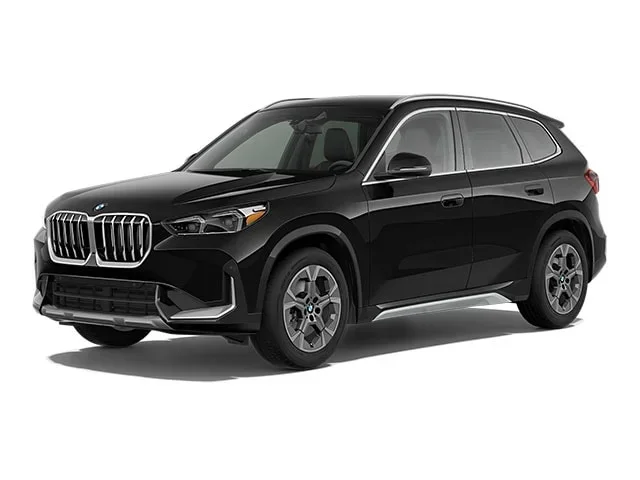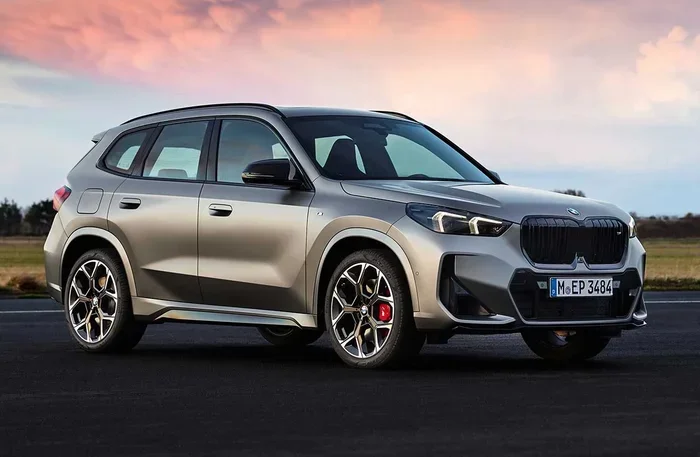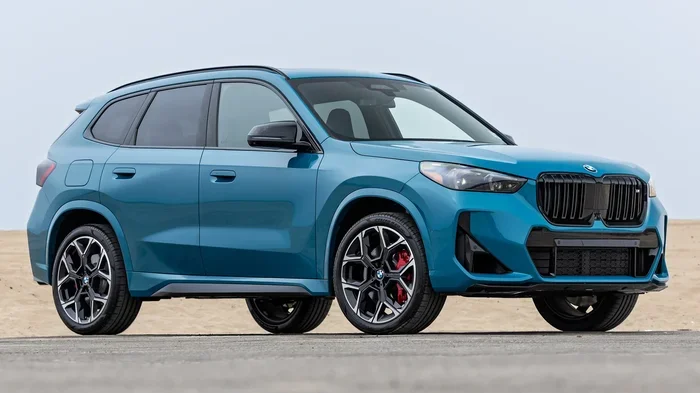
Featured image for 2015 BMW X1 exterior
Image source: platform.cstatic-images.com
The 2015 BMW X1 offers sporty handling and a premium feel, but reliability depends heavily on the engine choice. The four-cylinder N20 model has a known timing chain flaw that can lead to catastrophic failure, while the six-cylinder N55 is significantly more robust. Strict maintenance history and a thorough pre-purchase inspection are non-negotiable for a used purchase.
Shopping for a used luxury crossover often feels like walking a tightrope. You want the badge, the driving dynamics, and the interior quality, but you dread the repair bills that come with German engineering. If you have been asking are 2015 bmw x1 reliable, the short answer is: it depends entirely on which engine sits under the hood and how the previous owner treated the maintenance schedule. This generation (E84) was the first X1 sold in the US, and it has a split personality. One version is a ticking time bomb; the other is a genuinely solid daily driver. Let us break down exactly what you need to know before you sign the paperwork.
The 2015 model year sits at the end of the first generation (E84) production run. It received a mild facelift for 2013, bringing updated iDrive graphics, revised bumpers, and more efficient engines. It competes with the Audi Q3 and Mercedes GLA, but it drives differently—it feels more like a raised 3 Series wagon than a soft SUV. That is great for the driver, but it means the suspension and driveline take more stress. Understanding the specific failure points of this specific model year will save you thousands.
Key Takeaways
- Engine Choice is Critical: The xDrive28i (N20) has a high-risk timing chain issue; the xDrive35i (N55) is far more durable.
- Timing Chain Risk: N20 engines built before late 2015 may suffer guide rail failure, often requiring a $3,000+ repair.
- Oil Leaks are Common: Valve cover gaskets and oil filter housing gaskets leak on almost all high-mileage examples.
- Cooling System Fragility: Plastic thermostat housings and water pumps fail frequently; budget for preventive replacement.
- Drivetrain Vibration: Worn driveshaft center support bearings and transfer case fluid neglect cause shuddering.
- Run-Flat Tire Costs: Most X1s come with run-flats; they ride rough and cost 30-50% more to replace than standard tires.
- Service Records Save Money: A thick folder of receipts is worth more than a low mileage reading on this model.
📑 Table of Contents
The Short Answer: Is the 2015 BMW X1 a Good Buy?
If you find a 2015 BMW X1 xDrive35i with the N55 inline-six engine, full service records, and a clean pre-purchase inspection, it is a good buy. It delivers 300 horsepower, a fantastic soundtrack, and avoids the major design flaw plaguing the four-cylinder model. However, the vast majority of X1s on dealer lots are the xDrive28i with the N20 turbo-four. This engine has a well-documented timing chain guide failure issue that BMW eventually addressed with a redesign, but the fix didn’t hit all cars until very late in the 2015 production run.
Reliability scores from outlets like Consumer Reports and J.D. Power rate this model year as “average” to “below average” overall. That rating is dragged down almost entirely by the N20 engine problems and electronic glitches. If you remove the N20 from the dataset, the picture improves dramatically. Ownership costs are higher than a Honda CR-V or Toyota RAV4—plan on $1,200 to $1,800 per year in maintenance and repairs for a car with 80,000+ miles. That is the price of admission for this level of performance and luxury.
Engine Choices Matter: N20 vs. N55 Reliability
This is the single most important section of this article. The engine defines the ownership experience. Do not just look at the price tag; look at the badge on the trunk lid.
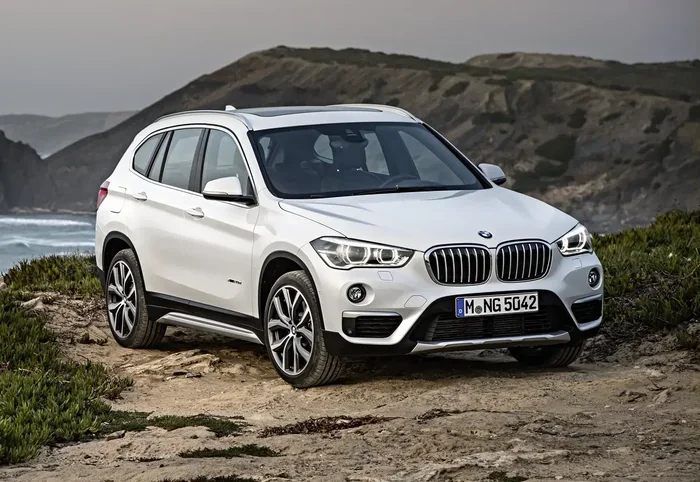
Visual guide about 2015 BMW X1 exterior
Image source: parkers-images.bauersecure.com
The xDrive28i (N20 Engine) – The Volume Seller
The N20 is a 2.0-liter turbocharged four-cylinder. It makes 240 horsepower and 260 lb-ft of torque. It is punchy, fuel-efficient (mid-20s MPG combined), and moves the X1 well. Unfortunately, early production N20 engines (roughly 2011 through early 2015) used a plastic timing chain guide rail that becomes brittle with heat cycles. When it shatters, the chain slackens, jumps teeth, or snaps. The result is almost always bent valves and a destroyed cylinder head.
BMW issued a technical service bulletin and updated the part to a stronger metal-backed design. The cutoff for the updated parts is murky, but generally, engines built after July 2015 received the fix. Since the 2015 model year production started in mid-2014, a huge chunk of 2015 X1s have the defective design. If you are buying an xDrive28i, you must verify the engine build date (sticker on the valve cover) or assume the worst and budget for a timing chain replacement immediately. This job costs $2,500 to $4,000 at an independent shop.
The xDrive35i (N55 Engine) – The Performance Pick
The xDrive35i uses the N55 3.0-liter turbocharged inline-six. This engine uses a single twin-scroll turbo and Valvetronic. It does not have the timing chain guide issue. The chain system is robust, often lasting the life of the car (200k+ miles) with regular oil changes. The N55 has its own quirks—valve cover gasket leaks, oil filter housing gasket leaks, and occasional VANOS solenoid failures—but these are $300-$800 repairs, not $4,000 engine rebuilds.
The 35i is faster (0-60 in ~5.3 seconds), sounds better, and holds resale value stronger. It gets slightly worse fuel economy (low 20s MPG) and requires premium fuel, but the peace of mind is worth the pump price. If you can find one— they are rarer—it is the superior choice for long-term reliability. For a deeper dive on which models use this engine, see our guide on identifying BMW models equipped with the N55 engine.
Top 5 Common Problems on the 2015 BMW X1
Regardless of the engine, the E84 chassis shares several common failure points. Knowing these lets you inspect a candidate car like a pro or negotiate the price down.
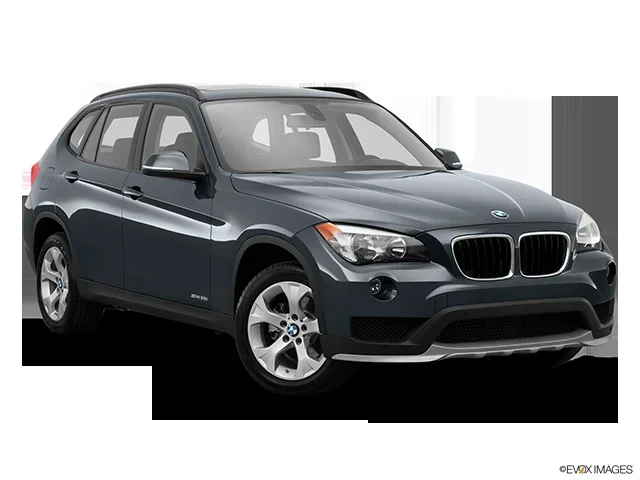
Visual guide about 2015 BMW X1 exterior
Image source: d2ivfcfbdvj3sm.cloudfront.net
1. Timing Chain Guide Failure (N20 Specific)
We covered this above, but it bears repeating as the #1 dealbreaker. Listen for a diesel-like rattle on cold startup (first 2-3 seconds). That is the chain slapping against the broken guide. If you hear it, walk away unless the price reflects a $3,500 repair. Even if it is quiet, the guide could be cracked and waiting to fail. The only sure fix is the updated tensioner and guide rails.
2. Valve Cover and Oil Filter Housing Gasket Leaks
Both the N20 and N55 suffer from this. The valve cover on these engines integrates the PCV (Positive Crankcase Ventilation) system. The rubber diaphragm inside cracks, causing a vacuum leak (rough idle, check engine light) and the external gasket weeps oil onto the exhaust manifold, creating a burning smell. The oil filter housing gasket (OFHG) leaks oil down the front of the engine, often mistaken for a front main seal leak. Both are DIY-able for a competent home mechanic ($80 in parts) but $600-$1,000 at a shop.
3. Cooling System Leaks (Thermostat & Water Pump)
BMW uses electric water pumps and plastic thermostat housings. They are efficient but have a finite lifespan—usually 60,000 to 90,000 miles. The water pump fails electronically (no warning, just overheats) or the plastic housing cracks. The thermostat fails open (engine runs cold, bad MPG, no heat) or closed (overheat). Replace both preventively at 80k miles if no record exists. Use OEM or high-quality aftermarket (Graf, Saleri) only. For help selecting the correct fluid, read our article on choosing the right coolant for your BMW vehicle.
4. Drivetrain Vibration and Transfer Case Wear
The X1 uses BMW’s xDrive all-wheel-drive system. It is a front-biased setup with a power take-off unit (PTU) on the transmission sending power to a rear differential via a driveshaft. Common issues:
- Center Support Bearing (CSB): The driveshaft has a carrier bearing in the middle. The rubber isolator cracks, causing a vibration felt in the floorboard at 40-60 mph.
- Transfer Case Fluid: It requires specific fluid (BMW TF-1 or equivalent) changed every 50k miles. Neglect leads to binding, clunking on turns, and expensive transfer case replacement ($2,500+).
- Rear Diff Fluid: Often overlooked. Change it every 60k miles.
5. Electrical Gremlins and Battery Drain
The E84 is packed with modules (FRM footwell module, CAS, JBE junction box). The Footwell Module (FRM) controls lights and windows; it is notorious for failing after a jump start or battery death, killing the exterior lights. The battery sits in the rear cargo area (under the floor). If the battery is not registered/coded to the car after replacement, the charging profile will be wrong, killing the new battery in months. Always use a BMW scanner (like BimmerLink or ISTA) to register a new battery. Parasitic draw from a faulty Comfort Access door handle or a stuck trunk light is also common.
Maintenance Costs and Ownership Reality
Let us talk money. The purchase price is the down payment; the maintenance is the mortgage.
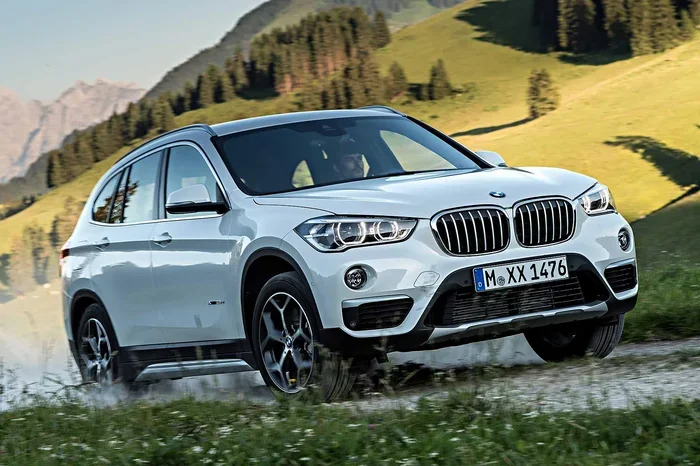
Visual guide about 2015 BMW X1 exterior
Image source: motoringresearch.com
Run-Flat Tires: Love Them or Hate Them
Most 2015 X1s left the factory on run-flat tires (RFT). They have stiff sidewalls that let you drive 50 miles at 50 mph after a puncture. The downsides: they cost $250-$350 per corner, they wear faster (20k-25k miles), and they transmit every road imperfection into the cabin. Many owners switch to non-run-flats (Michelin CrossClimate 2 or Pirelli Scorpion Verde) for a drastically better ride and lower cost. If you switch, you must carry a spare tire kit or a mobility kit because there is no spare well in the trunk (the battery lives there). Learn more about the pros and cons in our piece on BMW run-flat tires design benefits and care.
Brake Fluid, Coolant, and Routine Service
BMW uses “Condition Based Servicing” (CBS). The car tells you what it needs. Do not ignore it.
- Oil Changes: Every 7,500 – 10,000 miles with LL-01 approved 0W-30 or 5W-30. Do not go 15k miles like the dashboard sometimes suggests. Cheap insurance.
- Brake Fluid: Every 2 years. Hygroscopic fluid absorbs water, kills ABS/DSC modules ($1,000+). See our guide on selecting the ideal brake fluid for your BMW model.
- Coolant: Every 4 years or 50k miles. Use BMW Blue (G48) or HT-12 (green) depending on build date. Never mix.
- Transmission Fluid: ZF 8-speed (35i) or 6-speed (28i) “lifetime” fluid is a myth. Change at 80k-100k miles. Pan drop + filter + fluid = $400 DIY / $800 shop.
For a full breakdown of what scheduled maintenance entails, check out what does BMW service include.
How to Buy a Reliable 2015 X1: A Checklist
You found a listing. It looks clean. Now what? Follow this checklist before you hand over a deposit.
Service Records are King
Ask for the folder. A CarFax shows reported service, but the physical receipts show what was done. Look for:
- Oil changes every 7k-10k miles (not 15k).
- Brake fluid changes every 2 years.
- Cooling system overhaul (water pump, thermostat, hoses) around 80k miles.
- Transfer case and rear diff fluid changes.
- Timing chain replacement receipt (for N20) — this is a golden ticket.
If the seller says “I did it myself” but has no receipts for parts, treat it as undone.
The Pre-Purchase Inspection (PPI)
Spend $150-$250 at a BMW independent specialist (not the selling dealer). Ask them specifically to:
- Check engine build date (N20 timing chain risk).
- Scope the timing chain through the oil cap hole (look for guide rail color/condition).
- Check for oil leaks (valve cover, OFHG, oil pan, rear main).
- Test battery health and registration status.
- Check transfer case and diff fluid condition (color, metal shavings).
- Inspect driveshaft center support bearing for play/cracking.
- Scan all modules for shadow codes (codes that don’t trigger the check engine light).
- Check brake pad thickness and rotor lip (rotors often warp/wear with pads).
- Verify all 4 tires match (brand, model, tread depth within 2/32″). Mismatched tires kill xDrive transfer cases.
Check for Open Recalls
Run the VIN on the NHTSA website or BMW’s VIN lookup. The 2015 X1 had recalls for:
- Passenger airbag inflator (Takata).
- Driver airbag inflator (Takata).
- Battery cable routing (fire risk).
- Fuel pump wiring (stalling risk).
Recalls are fixed free at any BMW dealer. Ensure they are done.
2015 BMW X1 vs. The Competition
How does it stack up against its direct rivals? The X1 is the “driver’s choice,” but it pays a penalty in reliability and space.
| Feature | 2015 BMW X1 (xDrive28i) | 2015 Audi Q3 (2.0T) | 2015 Mercedes GLA 250 |
|---|---|---|---|
| Engine | 2.0T I4 (N20) – Timing Chain Risk | 2.0T I4 (EA888 Gen 3) – Reliable | 2.0T I4 (M270) – Reliable |
| HP / Torque | 240 / 260 | 200 / 207 | 208 / 258 |
| 0-60 mph | ~6.1 sec | ~7.0 sec | ~6.8 sec |
| Drivetrain | xDrive AWD (RWD bias feel) | Quattro AWD (FWD bias) | 4MATIC AWD (FWD bias) |
| Cargo Space (seats up) | 27.6 cu ft | 16.7 cu ft | 17.2 cu ft |
| Reliability Rep | Below Average (N20) / Good (N55) | Above Average | Average |
| Annual Maint. Cost (Est.) | $1,200 – $1,800 | $900 – $1,200 | $1,000 – $1,400 |
Verdict: The Audi Q3 is the safer appliance. The Mercedes GLA feels cheaper inside. The BMW X1 drives the best and has the most cargo space, but the N20 engine risk is real. The X1 xDrive35i beats them all on performance but costs more to buy and fuel.
Final Verdict: Should You Buy One?
So, circling back to the main question: are 2015 bmw x1 reliable? They can be, provided you follow the golden rules. Avoid the xDrive28i (N20) unless you have verified the timing chain was updated or replaced, or you are buying it cheap enough to do the job yourself immediately. The xDrive35i (N55) is a genuinely reliable used luxury crossover if maintained.
This is not a “buy and forget” car like a Lexus NX. It demands synthetic oil changes on time, coolant flushes, driveline fluid service, and attention to rubber components. If you treat it like a Toyota, it will punish you. If you treat it like a BMW—proactive maintenance, quality parts, independent specialist care—it will reward you with 200,000 miles of driving joy that the competition simply cannot match. Do your homework, get the PPI, and enjoy the Ultimate Driving Machine in a practical package.
Frequently Asked Questions
What is the biggest problem with the 2015 BMW X1?
The biggest problem is the timing chain guide failure on the xDrive28i (N20 engine) models built before mid-2015. The plastic guide rail shatters, causing catastrophic engine damage. The xDrive35i (N55 engine) does not have this issue.
How many miles will a 2015 BMW X1 last?
With meticulous maintenance, the N55 engine in the xDrive35i can easily exceed 200,000 miles. The N20 in the xDrive28i can also reach high mileage if the timing chain components have been upgraded, but it requires more vigilance. The chassis and transmission are generally durable.
Is the 2015 BMW X1 expensive to maintain?
Yes, it is more expensive than mainstream brands. Budget $1,200–$1,800 annually for a car over 80,000 miles. Costs are driven by run-flat tires, synthetic oil requirements, brake rotors that wear with pads, and complex electronic modules.
Does the 2015 BMW X1 have a timing belt or chain?
All 2015 BMW X1 engines (N20 and N55) use a timing chain. The N20 chain system has a known design flaw with the guide rails; the N55 chain system is very durable.
Is the 2015 BMW X1 xDrive35i better than the xDrive28i?
For reliability and performance, yes. The N55 inline-six in the 35i avoids the N20 timing chain defect, offers significantly more power (300 hp vs 240 hp), and sounds better. It uses more fuel and is harder to find, but it is the superior long-term ownership proposition.
What should I check before buying a used 2015 BMW X1?
Verify the engine build date (for N20 timing chain status), demand full service records (especially oil changes and fluid changes), confirm all 4 tires match exactly, and pay for a Pre-Purchase Inspection (PPI) at a BMW independent shop to scan for shadow codes and check for oil/coolant leaks.