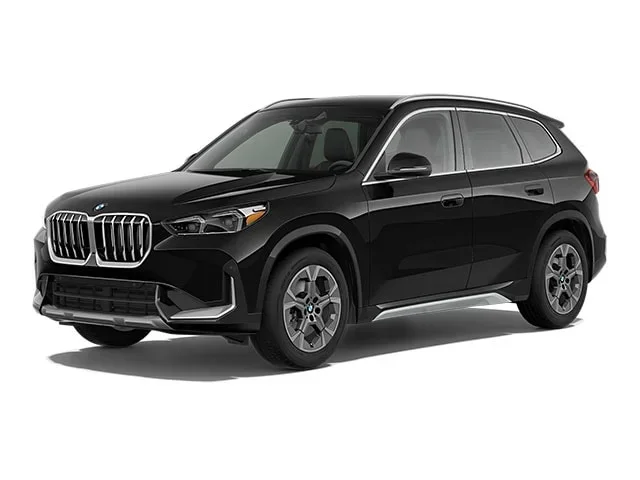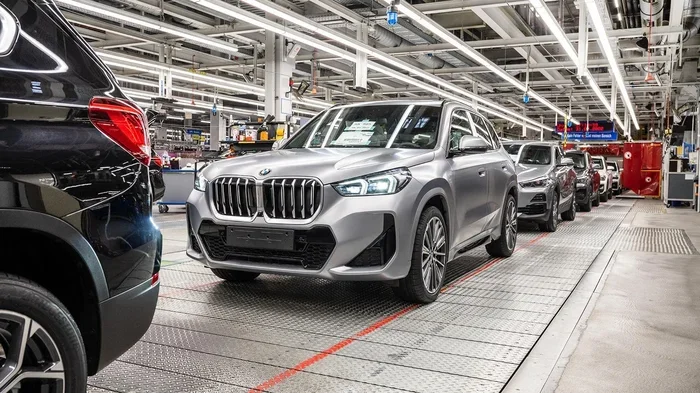
Featured image for 2023 BMW X1 factory
Image source: bmw-sg.com
Where is the 2023 BMW X1 built? The compact SUV rolls off assembly lines in Germany and China, with each plant following BMW’s strict quality standards. In this guide you’ll learn the exact factories, how BMW chooses production sites, and why the build location can affect features, warranty, and resale value.
The 2023 BMW X1 continues the brand’s tradition of blending sporty handling with everyday practicality. Knowing where is the 2023 BMW X1 built helps you understand the car’s origins, quality cues, and even potential differences in equipment. This article breaks down every production site, explains BMW’s global manufacturing logic, and gives you practical tips for verifying your own vehicle’s build location.
Whether you’re a prospective buyer, a current owner, or just a BMW enthusiast, the details below will clear up any confusion about the X1’s manufacturing footprint.
Key Takeaways
- Two main factories: The 2023 BMW X1 is assembled in Regensburg, Germany and Shenyang, China.
- Consistent quality: Both plants use identical production processes and quality checks.
- Market‑specific features: Some equipment packages differ by region of manufacture.
- Resale impact: Build location can influence perceived value in certain markets.
- Verification tip: Check the VIN plate or BMW’s online decoder to confirm your vehicle’s plant.
- Future shifts: BMW may adjust allocation as demand changes, so stay updated.
- Global strategy: The dual‑plant approach supports supply‑chain resilience and local demand.
📑 Table of Contents
Where Is the 2023 BMW X1 Built? Overview
BMW builds the 2023 X1 at two primary facilities: the Regensburg plant in Germany and the Shenyang plant (operated by the BMW Brilliance joint venture) in China. Both sites follow the same BMW X1 production standards, ensuring that every unit meets the brand’s exacting specifications regardless of geography.
Why Two Plants?
Running parallel lines in Europe and Asia lets BMW serve regional markets faster, reduce shipping costs, and hedge against supply‑chain disruptions. The dual‑plant strategy also supports local employment and meets government incentives for domestic production.
Quick Fact
- The Regensburg facility has been producing BMW models since 1965.
- The Shenyang complex opened in 2004 and now handles several BMW series.
For a deeper look at BMW’s global manufacturing footprint, see our article on where BMW vehicles are truly manufactured.
Primary Production Plants for the 2023 BMW X1
Below is a side‑by‑side comparison of the two factories that assemble the BMW X1 model year 2023.
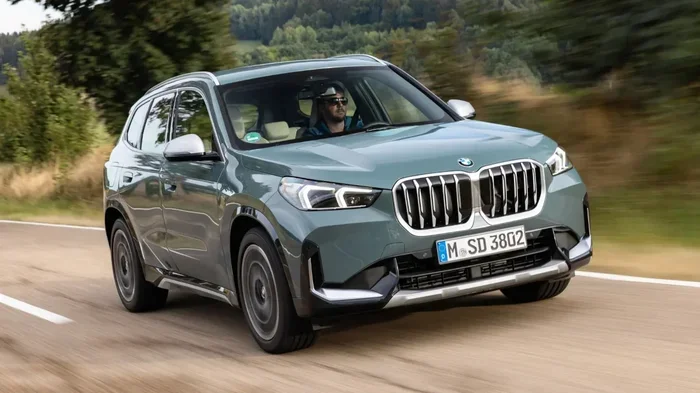
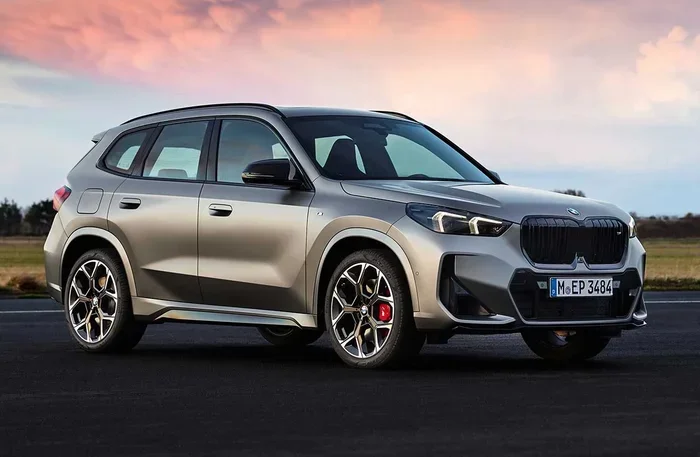
Visual guide about 2023 BMW X1 factory
Image source: images.topgear.com.ph
| Plant | Country | Start Year | Annual Capacity (approx.) | Key Models |
|---|---|---|---|---|
| Regensburg | Germany | 1965 | 300,000 units | X1, 3 Series, 4 Series |
| Shenyang (BMW Brilliance) | China | 2004 | 300,000 units | X1, 3 Series, 5 Series |
Regensburg, Germany
The Regensburg plant is BMW’s historic hub for compact models. It uses highly automated body‑shop lines and a dedicated paint shop that meets the latest environmental standards. Vehicles built here carry the “WBA” VIN prefix.
Shenyang, China
The Shenyang facility, run by the BMW Brilliance joint venture, mirrors the German process flow. It supplies the Chinese market and exports to several Asian countries. Cars from this plant show the “LBW” VIN prefix.
Common Mistakes to Avoid
- Assuming all X1s sold in Europe come from Regensburg – some are imported from China for specific trims.
- Thinking the build location changes the engine or drivetrain – both plants install the same powertrain options.
If you want to understand how the X1 fits into BMW’s naming system, check our guide on decoding BMW vehicle designations.
How BMW Decides Where to Build the X1
BMW’s allocation algorithm weighs several factors before assigning a specific BMW X1 manufacturing location to each order.
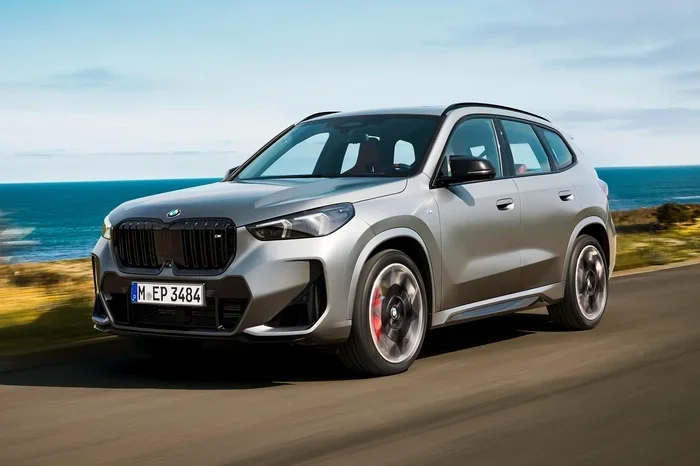
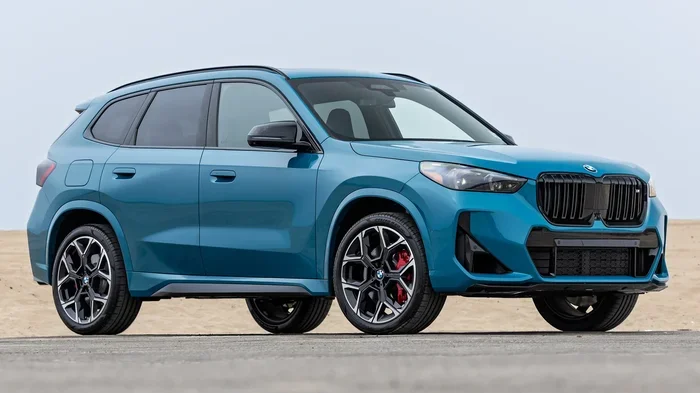
Visual guide about 2023 BMW X1 factory
Image source: images.carexpert.com.au
Key Decision Factors
- Market demand: High‑volume regions get priority from the nearest plant.
- Trade agreements: Tariff regimes influence whether a car is built locally or imported.
- Plant capacity: Real‑time capacity data directs overflow to the sister facility.
- Model variant: Certain trims (e.g., xDrive vs sDrive) may be sourced from a specific plant for logistical ease.
Expert Insight
Industry analysts note that BMW’s flexible manufacturing network is a benchmark for BMW X1 global manufacturing. The ability to shift volumes between Regensburg and Shenyang within weeks keeps delivery times short even during component shortages.
Brand Heritage Context
Understanding the brand’s roots helps explain its manufacturing philosophy; read more in what BMW stands for.
Quality Control Across Global Plants
Both factories run identical BMW X1 quality control routines, from stamping to final inspection.
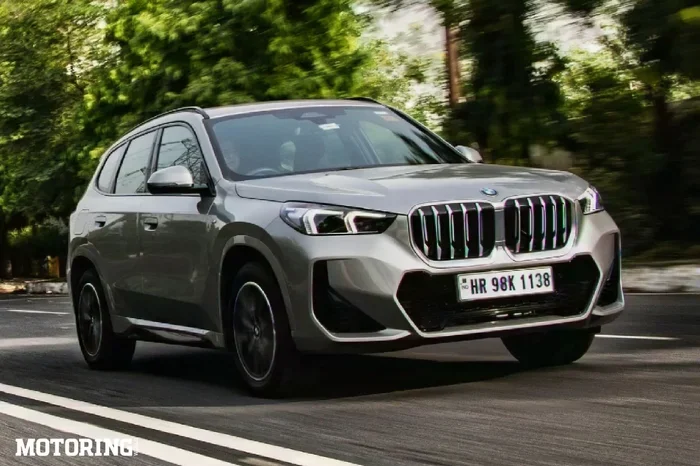
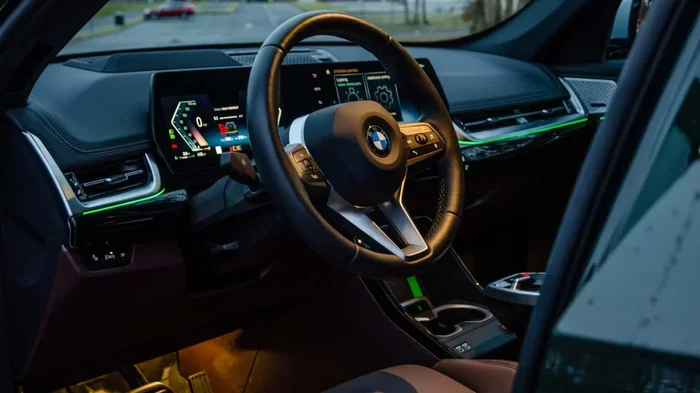
Visual guide about 2023 BMW X1 factory
Image source: motoringworld.in
Standardized Processes
- Laser‑guided body alignment checks.
- Automated paint thickness measurement.
- End‑of‑line dynamometer testing for every drivetrain.
Supplier Synchronization
BMW uses a single global parts catalog, so the same suppliers feed both plants. This eliminates variation in components such as brakes, infotainment modules, and interior trim.
Continuous Improvement
Data from each plant flows into BMW’s central analytics platform, enabling rapid corrective actions across the network.
What This Means for Buyers and Owners
The BMW X1 built in Germany and the BMW X1 built in China are mechanically identical, but there are subtle differences worth knowing.
Equipment Packages
Some markets receive region‑specific option bundles (e.g., heated steering wheel standard in cold‑climate European builds). Always verify the equipment list for your exact VIN.
Warranty & Service
BMW’s global warranty covers both origins equally. However, service bulletins may reference plant‑specific production dates, so keep your build sheet handy.
Resale Considerations
In certain used‑car markets, a German‑built X1 may command a slight premium due to perception. The effect is modest and diminishes over time.
Quick Tips for Verifying Your X1’s Build Location
- Locate the VIN on the driver’s side dashboard or door jamb.
- Use BMW’s official VIN decoder or a trusted third‑party site.
- Check the 11th character: “R” = Regensburg, “L” = Shenyang.
Future Production Outlook & Market Availability
BMW continuously evaluates its BMW X1 production sites to match evolving demand.
Potential Shifts
- Expansion of the Shenyang line to cover additional export markets.
- Introduction of a plug‑in hybrid variant that may be built exclusively in Regensburg at launch.
Staying Informed
Follow BMW’s press releases or subscribe to owner forums for real‑time updates on BMW X1 market availability and plant allocations.
In summary, where is the 2023 BMW X1 built comes down to two world‑class facilities that share the same DNA. Whether your X1 rolls out of Regensburg or Shenyang, you can count on BMW’s legendary engineering, rigorous quality checks, and a global support network that keeps you driving with confidence.
Frequently Asked Questions
Where is the 2023 BMW X1 built?
The 2023 BMW X1 is assembled at the Regensburg plant in Germany and the Shenyang plant in China.
Does the build location affect the vehicle’s specifications?
No. Both factories install the same engines, drivetrains, and safety systems; only minor regional equipment packages may differ.
How can I tell which factory produced my X1?
Check the 11th character of the VIN: “R” indicates Regensburg, while “L” indicates Shenyang.
Is there a quality difference between German‑built and Chinese‑built X1s?
BMW applies identical quality‑control processes at both sites, so there is no measurable quality gap.
Will BMW move X1 production to other countries in the future?
BMW regularly reviews capacity and may shift volumes, but any new plant would be announced well in advance.
Does the build location impact warranty coverage?
The standard BMW warranty is global and applies equally regardless of whether the car was built in Germany or China.