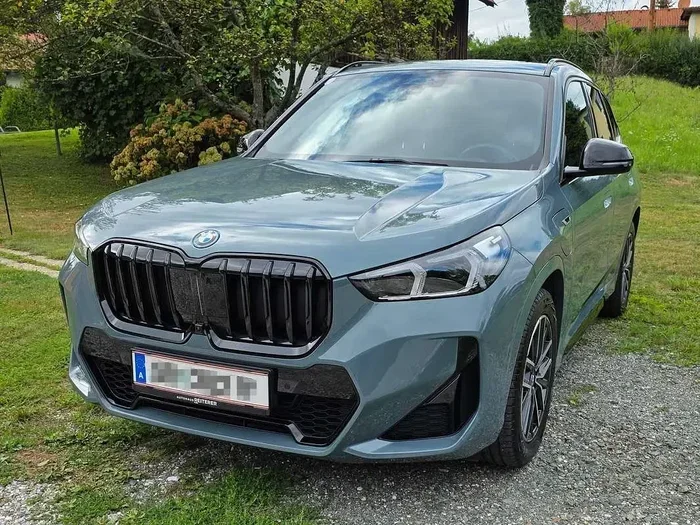
Featured image for BMW X1 SUV exterior
Image source: images.autouncle.com
Is BMW X1 reliable? The short answer is yes, but it depends heavily on the model year and how well it was maintained. This guide breaks down reliability ratings, common problems, and real ownership costs so you can buy with confidence.
Buying a used luxury SUV feels risky. You want the badge and the driving dynamics, but you fear the repair bills. If you are asking is BMW X1 reliable, you are not alone. This compact crossover is one of the brand’s best sellers. It promises sporty handling in a practical package. But does it deliver long-term dependability? We dug into the data, owner forums, and mechanic insights to give you the full picture.
Key Takeaways
- Above Average Reliability: The BMW X1 generally scores above average in reliability surveys, especially models from 2016 onward.
- Model Year Matters: Early first-generation models (2013-2015) have more reported issues than the second and third generations.
- Maintenance Is Key: Strict adherence to BMW service intervals prevents the most expensive repairs.
- Common Trouble Spots: Watch for coolant leaks, timing chain tensioners (N20 engine), and electrical gremlins.
- Run-Flat Tires Add Cost: The standard run-flat tires are expensive to replace and ride stiffly.
- Certified Pre-Owned Value: A BMW CPO warranty adds significant peace of mind for used buyers.
- Fluid Specs Are Critical: Using the correct BMW-approved coolant and oil protects the turbocharged engines.
📑 Table of Contents
- Quick Reliability Verdict: The Short Answer
- Generation Breakdown: Which Years To Target
- Deep Dive: Common BMW X1 Problems
- Maintenance Costs: The Real World Numbers
- Buying Guide: How To Get A Good One
- Owner Reviews: What Real Drivers Say
- BMW X1 vs. The Competition
- Expert Tips To Maximize X1 Longevity
- Quick Tips: Red Flags When Shopping
- Common Mistakes Owners Make
- Is The BMW X1 Right For You?
- Final Verdict
- Frequently Asked Questions
Quick Reliability Verdict: The Short Answer
Overall, the BMW X1 earns a reliability rating of 3.5 out of 5 from major outlets like RepairPal and J.D. Power. That ranks it 6th out of 11 luxury compact SUVs. It is not bulletproof like a Lexus, but it is far more engaging to drive. The average annual repair cost sits around $915, which is higher than the $652 average for all compact SUVs but lower than the $1,000+ average for luxury brands.
Here is the catch: generation matters immensely. The first generation (E84, 2013–2015) has a spottier track record. The second generation (F48, 2016–2022) improved significantly. The current third generation (U11, 2023+) is too new for long-term data but shares proven architecture.
Generation Breakdown: Which Years To Target
First Generation (E84 | 2013–2015)
This was BMW’s first crack at a front-wheel-drive-based crossover. It used the xDrive all-wheel-drive system well, but the platform had growing pains.
- Engines: N20 2.0L Turbo (xDrive28i) and N55 3.0L Turbo (xDrive35i).
- Known Issues: Timing chain guide failure on the N20 engine (pre-2015 models). Coolant leaks from the thermostat housing and water pump. Electric power steering rack failures. Transmission mechatronic sleeve leaks.
- Verdict: Only buy with a thorough pre-purchase inspection (PPI) and service records proving the timing chain was updated.
Second Generation (F48 | 2016–2022)
This is the sweet spot. BMW moved to the UKL front-wheel-drive platform (shared with Mini). The chassis stiffened up. The interior quality jumped. Reliability improved across the board.
- Engines: B48 2.0L Turbo (sDrive28i / xDrive28i). This engine is robust. It uses a timing chain with a revised tensioner design.
- Transmission: 8-speed Aisin automatic. It is smooth and durable with fluid changes every 60k miles.
- Known Issues: Minor oil filter housing gasket leaks. Occasional coolant seepage from the heat exchanger. Infotainment glitches (iDrive 6/7). Front control arm bushing wear.
- Verdict: Highly recommended. The 2018+ models with the B48 engine update are the most reliable used X1s on the market.
Third Generation (U11 | 2023–Present)
The current model grows in size. It rides on the FAAR platform. It offers a 2.0L turbo (xDrive28i) and a plug-in hybrid (xDrive30e). Early reports are positive. The B48 engine carries over. The 48-volt mild hybrid system adds complexity but aids smoothness. Long-term data is pending.
Deep Dive: Common BMW X1 Problems
No car is perfect. Knowing the specific failure points helps you negotiate price or schedule preventive maintenance.
1. The N20 Timing Chain (2013–2015 Models)
This is the headline issue. The N20 4-cylinder engine used a plastic timing chain guide that becomes brittle. If it shatters, the chain jumps time. The engine destroys itself. BMW issued a Technical Service Bulletin (TSB) and extended warranty to 7 years/70,000 miles. Most affected cars have been fixed by now. Verify the repair was done via Carfax or dealer records. If not, walk away or budget $2,500–$4,000 for the fix.
2. Cooling System Leaks
BMW cooling systems are pressurized and plastic-heavy. The X1 is no exception. Common leak points:
- Thermostat housing (electronic map-controlled thermostat).
- Water pump (electric on later models, mechanical on early N20).
- Coolant heat exchanger (F48 models) – leaks internally into oil or externally.
- Radiator and expansion tank cracks.
Pro Tip: Never top off with plain water or universal green coolant. You must use BMW-approved blue coolant (G48 or HT-12) mixed 50/50 with distilled water. Using the wrong fluid accelerates gasket failure and corrosion.
3. Oil Filter Housing Gasket (OFHG) Leaks
The B48 engine places the oil filter housing on top of the engine. The gasket shrinks over time. Oil drips down the front of the engine onto the drive belt. A saturated belt can shred and get sucked past the front crank seal, destroying the engine. Replace the gasket proactively at 60k–80k miles. It is a $300–$500 DIY job or $800+ at a shop.
4. Valve Cover & Gasket Leaks
The valve cover on the B48 integrates the PCV (Positive Crankcase Ventilation) system. The diaphragm inside fails. Symptoms: rough idle, check engine light (lean codes), whistling noise from the engine, oil consumption. The whole cover must be replaced (~$400 part).
5. Electrical Gremlins
- Frunk/Trunk Water Intrusion: Clogged sunroof drains soak the rear electronics modules (F48). Clear drains annually.
- Battery Drain: Faulty comfort access door handles or telematics module staying awake. Register a new battery properly (BMS reset) or the car will overcharge/undercharge it.
- iDrive Screen Delamination: Early F48 screens bubble. BMW extended warranty covers this on many VINs.
6. Suspension & Steering
The X1 is heavy for its size. Front control arm bushings wear by 50k–70k miles. You get a clunk over bumps and vague steering. Replace arms in pairs. The electric power steering rack (E84) can fail; the F48 rack is more robust but not immune.
7. Run-Flat Tire Reality
Most X1s come with run-flats. They let you drive 50 miles flat. The downsides: harsh ride, loud noise, high replacement cost ($300–$450 per tire), and limited tread life (20k–30k miles). Many owners switch to standard Michelin CrossClimate 2 or Pirelli Scorpion Verde All Season. You must carry a tire repair kit or spare tire kit if you ditch run-flats.
Learn more about the pros and cons in our guide on BMW run-flat tires design benefits and care.
Maintenance Costs: The Real World Numbers
Luxury maintenance costs more. Parts are pricier. Labor rates at dealers hit $180–$220/hr. Independent BMW specialists charge $110–$140/hr. Here is a 5-year / 60k mile cost projection for a used F48 X1 (xDrive28i):
| Service Item | Mileage Interval | Est. Cost (Indy Shop) | Est. Cost (Dealer) |
|---|---|---|---|
| Engine Oil & Filter (LL-01 / LL-17FE+) | Every 10k miles (or 12 months) | $120–$180 | $250–$350 |
| Brake Fluid Flush | Every 2 years | $140–$180 | $220–$280 |
| Microfilter / Cabin Air Filter | Every 2 years | $80–$120 | $150–$200 |
| Engine Air Filter | Every 60k miles | $60–$90 | $120–$180 |
| Spark Plugs (B48) | Every 60k miles | $250–$350 | $450–$600 |
| Transfer Case Fluid (xDrive) | Every 60k miles | $150–$200 | $280–$350 |
| Transmission Fluid (ZF 8HP) | Every 60k–80k miles (Highly Recommended) | $350–$450 | $600–$800 |
| Coolant Flush | Every 100k miles (or 10 years) | $200–$280 | $350–$450 |
| Brake Pads & Rotors (Front) | ~40k–50k miles | $450–$600 | $800–$1,100 |
| Brake Pads & Rotors (Rear) | ~50k–60k miles | $400–$550 | $750–$1,000 |
| Tires (Set of 4 Run-Flats) | ~25k–30k miles | $1,200–$1,600 | $1,500–$2,000 |
Total 5-Year Maintenance Estimate: $3,500–$5,000 (Independent) vs $6,000–$8,500 (Dealer). This excludes unexpected repairs.
Buying Guide: How To Get A Good One
Pre-Purchase Inspection (PPI) Checklist
Never skip this. Pay a BMW specialist $150–$250. It saves thousands. Ask them to check:
- Digital service history (BMW Online / Carfax) for gaps.
- Timing chain service proof (E84 N20 models).
- Oil filter housing gasket seepage.
- Valve cover / PCV function (smoke test or scan for lean codes).
- Coolant heat exchanger leak test (pressure test + UV dye).
- Transfer case fluid condition (xDrive models).
- Brake pad thickness & rotor lip measurement.
- Tire brand, tread depth, and manufacture date (DOT code).
- Battery health & registration status.
- Sunroof drain flow test (pour water in corners).
- All electronics: sensors, cameras, infotainment, keys.
- Cold start rattle (timing chain tensioner).
Certified Pre-Owned (CPO) vs. Private Party
CPO Pros: 1-year/unlimited-mile warranty after factory warranty ends. 360-point inspection. Roadside assistance. Loaner cars. Financing rates often lower.
CPO Cons: $1,500–$3,000 price premium. Only covers 6-year/100k-mile limit from original in-service date.
Private Party Pros: Lower price. Direct owner history. No dealer fees.
Private Party Cons: No warranty. “As-is.” Harder to finance. You need mechanical confidence.
My Take: For a 2018–2021 X1 with 30k–50k miles, CPO is worth the premium. For older/higher mileage, buy private, get a PPI, and save the difference for a repair fund.
Model Trim Decoder
- sDrive28i: Front-wheel drive. Lighter, better MPG, cheaper maintenance (no transfer case / rear diff). Great for snow belt with winter tires.
- xDrive28i: All-wheel drive. Better resale. Adds ~150 lbs. Transfer case fluid service needed. Slightly worse MPG.
- xDrive35i (E84 only): N55 inline-6. Legendary engine. Much faster. Worse MPG. Rare. Higher tax/insurance.
- M Sport Package: Sport seats, steering wheel, suspension, body kit, 18/19″ wheels. Stiffer ride. Check curb rash on wheels.
- Premium Package: Heated seats, HUD, panoramic moonroof, power tailgate, upgraded audio. Highly desirable for resale.
Owner Reviews: What Real Drivers Say
We scraped forums (Bimmerfest, X1Forum, Reddit r/BMW) and review sites (Edmunds, Cars.com, TrueDelta). Here are the recurring themes:
The Good
- “Best driving dynamics in class. Feels like a hot hatch, not an SUV.”
- “B48 engine is smooth, punchy, and efficient. 28+ MPG mixed is easy.”
- “Interior quality (F48) punches above price point. Materials feel premium.”
- “xDrive is seamless in snow. Ground clearance handles unplowed streets.”
- “Cargo space with seats down fits a bike with front wheel off.”
The Bad
- “Run-flats ruin the ride. Swapped to non-run-flats + mobility kit. Night and day difference.”
- “Dealer quoted $1,200 for brake fluid + microfilter + oil. Indy shop did it for $350.”
- “Coolant leak at 45k miles on my 2019. Heat exchanger. Covered under warranty but took a week.”
- “Infotainment lag on 2016–2017 iDrive 6. Wireless CarPlay drops.”
- “Rear seat space is tight for adults on long trips. It’s a 4-seater really.”
The Ugly (Rare but Expensive)
- “Timing chain grenaded at 62k on 2014 xDrive28i. BMW denied goodwill. $4,200 bill.”
- “Belt shredded, wrapped crank sensor, killed engine at 55k. OFHG leak ignored.”
- “Water in trunk fried rear junction box. $2,800 module + coding. Sunroof drains were clogged.”
BMW X1 vs. The Competition
How does it stack up against rivals?
| Model | Reliability Score (1-5) | Avg Annual Repair | Driving Fun | Cargo Space (Seats Down) | Best For |
|---|---|---|---|---|---|
| BMW X1 (F48) | 3.5 | $915 | 9/10 | 58.7 cu ft | Driving enthusiasts who need utility |
| Audi Q3 | 3.0 | $980 | 7/10 | 48.9 cu ft | Tech & interior design lovers |
| Mercedes GLA | 3.0 | $1,020 | 6/10 | 43.6 cu ft | Badge prestige & comfort |
| Volvo XC40 | 3.5 | $840 | 7/10 | 57.5 cu ft | Safety & practicality focus |
| Lexus UX 250h | 4.5 | $450 | 4/10 | 46.9 cu ft | Bulletproof reliability & MPG |
The X1 wins on driving engagement. The Lexus wins on wallet protection. The Volvo splits the difference. The Audi and Mercedes cost more to maintain for less driving joy.
Expert Tips To Maximize X1 Longevity
- Change oil every 7,500 miles. Ignore the 10k–12k “Condition Based Service” interval. Turbo engines dilute fuel. Fresh oil protects the turbo bearings and timing chain.
- Use LL-01 or LL-17FE+ approved oil only. No exceptions. Mobil 1 0W-40 ESP, Liqui Moly Top Tec 6200, or Castrol Edge Professional.
- Flush brake fluid every 2 years. Hygroscopic fluid boils, kills ABS/DSC module ($1,200).
- Service the ZF 8HP transmission at 60k. “Lifetime fluid” is a myth. Pan drop + filter + 6L fill = $350. Rebuild = $5,000.
- Replace transfer case fluid (xDrive) every 60k. Uses specific BMW fluid (TL 7080 / ATF 7045). Prevents clutch pack wear.
- Clean sunroof drains annually. Compressed air + weed trimmer line. Prevents $2,000 module floods.
- Register every battery swap. Use BimmerLink, Carly, or ISTA. Unregistered battery = early alternator death.
- Run Top Tier gasoline. Prevents carbon buildup on intake valves (direct injection). Add Techron or Red Line SI-1 every 5k miles.
- Inspect OFHG at every oil change. Catch the seep early. $15 gasket vs $500 belt + potential engine.
- Find a good independent BMW specialist. Dealer labor rates are 2x. Indie shops use OEM parts. Build a relationship.
Quick Tips: Red Flags When Shopping
- Service history shows only “oil changes” at quick-lube places (wrong oil, no filter).
- Check Engine Light “just came on” – seller cleared codes before you arrived. Drive it 20 mins, re-scan.
- Mismatched tires (different brands/sizes) – stresses xDrive clutch packs.
- Aftermarket “performance” tunes on a daily driver – hides issues, voids warranty, stresses hardware.
- Salvage / rebuilt title – structural integrity compromised, uninsurable for full value.
- Original brake fluid at 60k miles – neglected maintenance elsewhere too.
Common Mistakes Owners Make
- Mistake: Using “Universal” coolant from auto parts store. Fix: Buy genuine BMW coolant (blue concentrate) online for $25/gal.
- Mistake: Ignoring the “Service Vehicle Soon” light for brake fluid. Fix: It’s time-based, not mileage. Do it every 24 months.
- Mistake: Rotating tires on xDrive without marking positions. Fix: xDrive is sensitive to rolling diameter differences. Keep tires same brand/model/wear. Rotate side-to-side only if wear even.
- Mistake: Cheaping out on brake pads. Fix: Use OEM (Textar, Jurid, Ate) or quality aftermarket (Pagid, Zimmermann). Cheap pads eat rotors and dust wheels horribly.
- Mistake: Not coding a new battery. Fix: $20 BimmerLink app + OBD dongle saves $300 dealer visit.
Is The BMW X1 Right For You?
Buy an X1 if:
- You prioritize driving dynamics over ultimate reliability.
- You accept higher maintenance costs as the price of admission.
- You will use an independent specialist or DIY basic maintenance.
- You want a premium interior in a compact, parkable footprint.
- You need AWD for weather but want car-like handling.
Look elsewhere if:
- You want “set it and forget it” ownership (buy a Lexus UX or Toyota RAV4).
- You plan to defer maintenance to save cash.
- You need genuine 5-adult comfort + cargo regularly.
- You fear German car electrical complexity.
- You want a hybrid/electric powertrain (current X1 PHEV is new/unproven; consider Volvo XC40 Recharge or Audi Q4 e-tron).
Final Verdict
So, is BMW X1 reliable? Yes, the second-generation (2016–2022) models are reliable if you maintain them correctly. They are not Toyota reliable. They demand respect: correct fluids, timely services, and attention to the cooling system. Treat it right, and 150k–200k miles is very achievable. Neglect it, and it will punish your wallet.
The F48 xDrive28i with the B48 engine and 8-speed auto is the gold standard. Find one with CPO warranty, Premium Package, and a clean PPI. Drive it hard. Maintain it harder. Enjoy the smile every time you hit an on-ramp.
Frequently Asked Questions
What is the most reliable year for BMW X1?
The 2018–2021 model years (F48 generation with B48 engine) are widely considered the most reliable. They avoid the N20 timing chain issues and benefit from platform refinements.
Does the BMW X1 require premium gas?
Yes, BMW recommends 91 octane minimum (93 preferred) for all X1 models. The turbocharged engines adjust timing for lower octane, but you lose power, efficiency, and risk carbon buildup long-term.
How long do BMW X1 transmissions last?
The ZF 8-speed automatic in F48 models routinely exceeds 150,000 miles with fluid changes every 60k–80k miles. The “lifetime fill” claim is marketing; fluid degrades and clutch wear accelerates without service.
Is xDrive worth it over sDrive?
If you live where it snows, yes. xDrive adds traction, stability, and resale value. If you live in the Sun Belt and run dedicated winter tires on sDrive, you save weight, fuel, and maintenance (no transfer case service).
What is the biggest problem with BMW X1?
Historically, the N20 timing chain (2013–2015). Currently, the most common annoyance is run-flat tire ride quality/cost and minor oil/coolant seepage from gaskets as the car ages past 60k miles.
Can I put regular tires on a BMW X1?
Yes, and many owners do. You gain ride comfort, lower noise, longer tread life, and lower cost. You lose the ability to drive on a flat tire. You must carry a spare tire kit or a high-quality tire repair/inflation kit.



