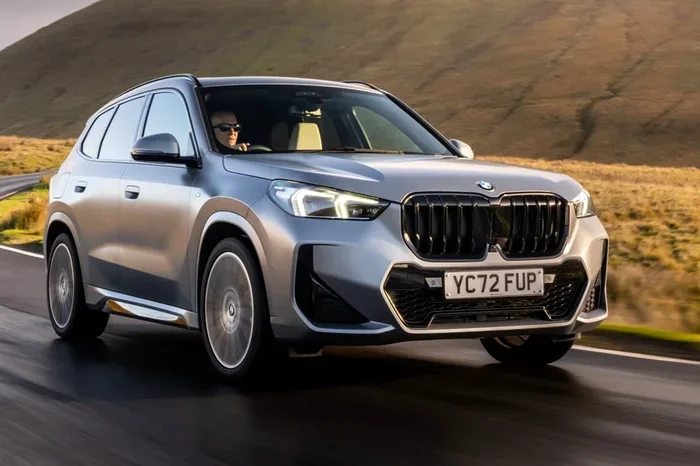
Featured image for BMW X1 SUV driving
Image source: parkers-images.bauersecure.com
Is BMW X1 worth buying? This guide breaks down the BMW X1 price, BMW X1 reliability, fuel economy, interior space, and ownership costs so you can decide with confidence.
When shoppers ask is bmw x1 worth buying, they usually want a clear picture of cost, comfort, and long‑term satisfaction. The X1 sits at the entry point of BMW’s SUV lineup, yet it packs many of the brand’s hallmark traits. In this article we walk through every major factor so you can make an informed decision.
We cover performance, interior quality, technology, safety, reliability, and total cost of ownership. You will also find a quick comparison table, practical buying tips, and answers to the most common questions.
Key Takeaways
- Strong value proposition: The X1 delivers premium feel at a lower entry price than larger SUVs.
- Good reliability scores: Recent models rank above average in dependability surveys.
- Efficient engines: Both gas and plug‑in hybrid versions offer solid MPG figures.
- Compact but practical: Cargo space and rear‑seat room meet most daily needs.
- Certified pre‑owned perks: CPO warranty adds peace of mind for used buyers.
- Lower maintenance than rivals: Routine service costs are comparable to mainstream brands.
- Resale value holds well: The X1 depreciates slower than many competitors.
📑 Table of Contents
Overview of the BMW X1
What the X1 Offers
The BMW X1 is a compact luxury crossover that slots below the X3. It uses the UKL front‑wheel‑drive platform, which keeps the price down while still delivering a sporty chassis. Standard all‑wheel drive (xDrive) is available on most trims.
Trim Levels and Pricing
For 2024 the lineup includes the sDrive28i, xDrive28i, and the plug‑in hybrid xDrive25e. Starting MSRP ranges from about $38,000 to $45,000 before options. Adding packages like Premium, M Sport, or Technology can push the price above $50,000.
- sDrive28i – front‑wheel drive, 2.0L turbo, 241 hp.
- xDrive28i – all‑wheel drive, same engine, better traction.
- xDrive25e – plug‑in hybrid, 2.0L turbo + electric motor, 240 hp combined, up to 18 miles electric‑only.
Performance and Driving Dynamics
Engine and Transmission
All gas models use a 2.0‑liter TwinPower Turbo four‑cylinder paired with an 8‑speed automatic. The hybrid adds an electric motor integrated into the transmission. Power delivery is smooth, and the 0‑60 mph sprint takes roughly 6.3 seconds for the xDrive28i.
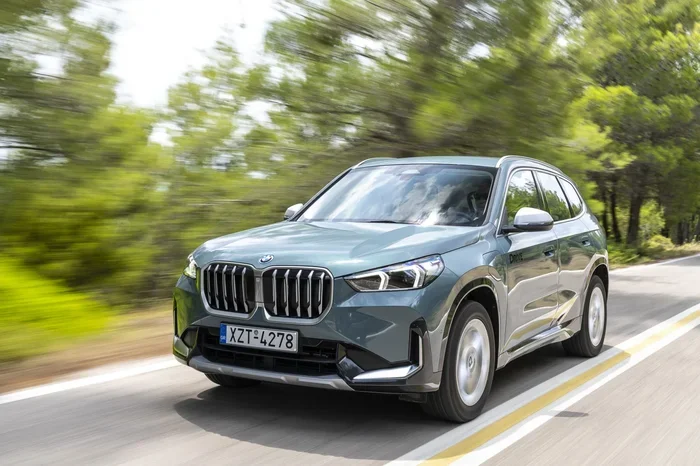
Visual guide about BMW X1 SUV driving
Image source: drive.gr
Handling and Ride Quality
The X1 feels agile for its class. The steering is precise, and body roll is well‑controlled. The suspension absorbs most bumps, though the M Sport suspension firms up the ride for sharper cornering.
Fuel Economy
EPA estimates: 24 mpg city / 33 mpg highway for the xDrive28i. The plug‑in hybrid achieves 70 MPGe combined when charged regularly. Real‑world numbers often sit a few MPG lower.
Quick Tips for Test Driving
- Drive on both highway and city streets.
- Test the xDrive system on a wet or gravel surface if possible.
- Check the hybrid’s electric‑only mode in stop‑and‑go traffic.
Interior, Comfort, and Technology
Cabin Materials and Space
Soft‑touch plastics, leatherette, and optional genuine leather give a premium feel. Front seats are supportive with ample adjustment. Rear legroom is decent for a compact SUV—about 37 inches—enough for two adults on short trips.
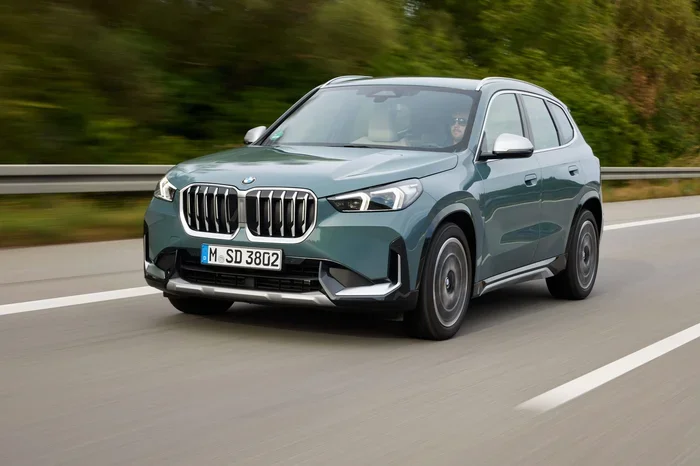
Visual guide about BMW X1 SUV driving
Image source: autopista.es
Infotainment and Connectivity
Standard iDrive 8 with a 10.25‑inch touchscreen, wireless Apple CarPlay and Android Auto, and a 12.3‑inch digital gauge cluster. Optional head‑up display and Harman Kardon audio elevate the experience.
Cargo Capacity
Behind the second row you get 27.1 cubic feet. Fold the seats flat for 58.7 cubic feet. The low load floor and wide opening make loading bulky items easy.
Common Mistakes to Avoid
- Skipping the optional parking assistant—tight city spots benefit from it.
- Overlooking the wireless charging pad; it’s a cheap add‑on that adds daily convenience.
- Assuming the base audio is sufficient; the Harman Kardon upgrade is noticeable.
Reliability, Maintenance, and Warranty
Reliability Track Record
Consumer Reports and J.D. Power rate the X1 above average for reliability. The 2.0‑liter turbo engine has proven durable when oil changes follow the 10,000‑mile interval. If you want a deeper dive on which BMW models last longest, see our guide on identifying the most reliable BMW models for longevity.
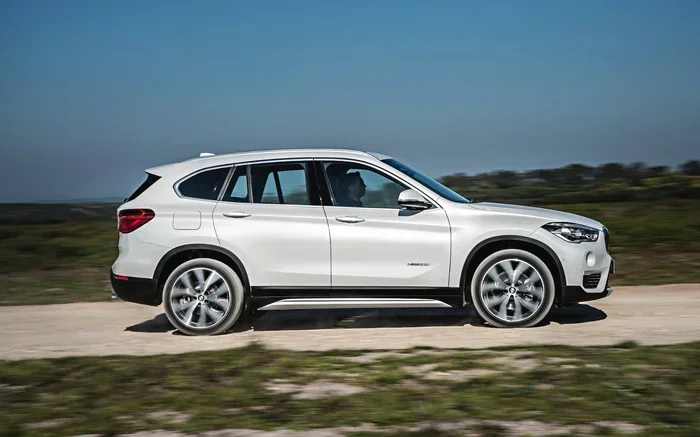
Visual guide about BMW X1 SUV driving
Image source: suvdrive.com
Maintenance Costs
Routine service (oil, filters, brake fluid) averages $150‑$250 per visit at a dealer. Independent shops can be 20‑30% cheaper. The first major service (spark plugs, coolant) appears around 60,000 miles. For the right coolant type, refer to what coolant does BMW use for optimal performance.
Warranty Coverage
New X1s come with a 4‑year/50,000‑mile basic warranty and a 4‑year/50,000‑mile powertrain warranty. Certified Pre‑Owned (CPO) models extend coverage to 6‑year/100,000‑mile total. Learn what the CPO program includes at what does BMW certified mean and the specifics of the BMW certified warranty essential coverage.
Expert Insight
“The X1’s platform is shared with the Mini Countryman, which means parts availability is excellent and repair costs stay reasonable,” says a senior BMW technician. “Stick to the maintenance schedule and you’ll see 150,000 miles without major issues.”
Cost of Ownership: Depreciation, Insurance, and Financing
Depreciation Curve
The X1 loses about 35% of its value in the first three years, which is better than the segment average of 40%. Strong brand perception and high demand for used luxury crossovers support resale prices.
Insurance Rates
Average annual premium for a 35‑year‑old driver with a clean record is $1,350‑$1,600. Rates vary by location, trim, and safety equipment.
Financing and Lease Deals
Manufacturer incentives often include 0.9% APR for 36 months or lease specials around $450/month with $3,000 down. Shop multiple dealers and compare the total cost of ownership, not just the monthly payment.
Comparison Table: X1 vs. X2 vs. X3
| Feature | BMW X1 | BMW X2 | BMW X3 |
|---|---|---|---|
| Starting MSRP | $38,000 | $39,500 | $45,000 |
| Seating | 5 | 5 | 5 |
| Cargo (seats up) | 27.1 cu ft | 21.6 cu ft | 28.7 cu ft |
| 0‑60 mph (xDrive) | 6.3 sec | 6.5 sec | 5.8 sec |
| MPG Combined (gas) | 27 | 26 | 25 |
| Standard AWD | Optional | Optional | Standard |
Buying Tips: New, Used, or Certified Pre‑Owned?
New Vehicle Advantages
Full factory warranty, latest tech, and the ability to customize color and options. You also avoid any hidden wear.
Used Vehicle Considerations
A 2‑3‑year‑old X1 can save $8,000‑$12,000. Verify service history, check for accident reports, and ensure the remaining warranty transfers.
Certified Pre‑Owned Sweet Spot
CPO cars undergo a 150‑point inspection, come with extended warranty, and often include roadside assistance. They typically cost 5‑10% more than non‑CPO used units but add valuable peace of mind. For a full breakdown of what the standard BMW warranty covers, see what does BMW warranty cover essential guide.
Negotiation Checklist
- Research invoice price and current incentives.
- Get pre‑approved financing from your bank.
- Ask for a free maintenance package or accessory credit.
- Confirm the CPO inspection report is current.
- Read the fine print on lease mileage limits.
Final Verdict: Is the BMW X1 Worth Buying?
If you want a premium badge, engaging driving dynamics, and a practical size for city life, the X1 delivers. Its BMW X1 reliability scores, reasonable BMW X1 price, and strong resale make it a smart choice for many buyers. The plug‑in hybrid adds efficiency for short commutes, while the xDrive models give confidence in all weather.
Potential downsides include a firmer ride on M Sport trims and limited rear‑seat space for tall passengers on long trips. Weigh those against your daily needs. Overall, the answer to is bmw x1 worth buying leans yes for most shoppers who value a blend of luxury, utility, and driving fun.
Take the time to test drive each trim, compare lease versus finance numbers, and review the certified pre‑owned options. Your perfect X1 is out there.
Frequently Asked Questions
Is the BMW X1 reliable?
Yes, the X1 scores above average in major reliability surveys. Regular maintenance keeps it running smoothly past 150,000 miles.
What is the fuel economy of the BMW X1?
The gas xDrive28i returns about 27 mpg combined. The plug‑in hybrid xDrive25e achieves 70 MPGe when charged regularly.
How much does a BMW X1 cost to maintain annually?
Expect $600‑$900 per year for routine service at a dealer. Independent shops can reduce that by 20‑30%.
Does the BMW X1 hold its value well?
It depreciates roughly 35% in the first three years, which is better than many rivals in the compact luxury segment.
Should I buy a new or certified pre‑owned X1?
If you want the latest tech and full warranty, go new. For better value with extended coverage, a CPO model is often the sweet spot.
What are the main differences between the X1 and X3?
The X3 is larger, offers more cargo space, standard all‑wheel drive, and a more powerful engine lineup, but it starts about $7,000 higher.



