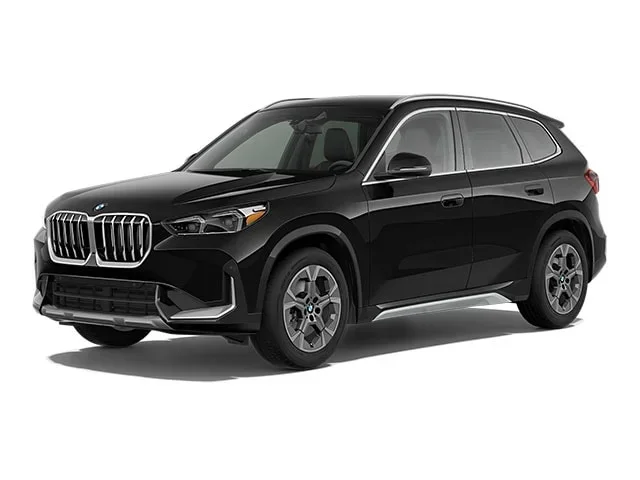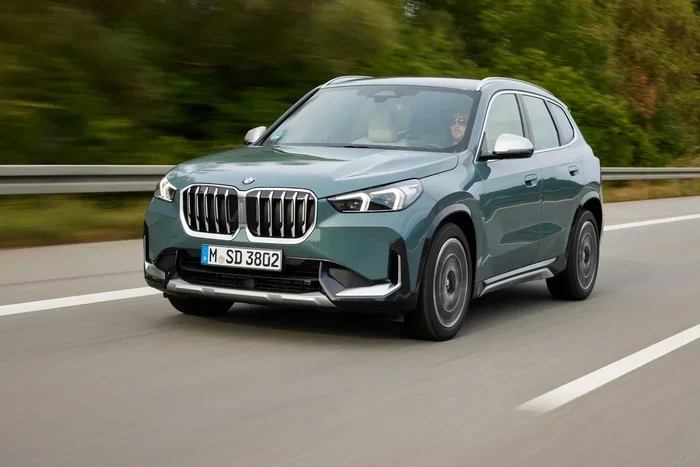
Featured image for BMW X1 sDrive exterior
Image source: mediapool.bmwgroup.com
The BMW X1 sDrive is front-wheel drive across all modern generations. This guide explains what sDrive means, how it differs from xDrive all-wheel drive, and covers the specific drivetrain layouts for the E84, F48, and U11 models. You will learn the pros and cons of FWD, fuel economy benefits, and maintenance tips to keep your X1 running strong.
Shopping for a BMW X1 can feel confusing when you see badges like sDrive and xDrive on the trunk lid. You might wonder, is BMW X1 sDrive front wheel drive? The short answer is yes. But there is much more to the story than a simple yes or no. The meaning of sDrive has shifted over the years as BMW changed the X1’s underlying architecture.
Understanding this difference is critical. It affects price, fuel economy, maintenance costs, and how the SUV handles in rain or snow. Whether you are buying used or new, knowing exactly what drives the front wheels—and what doesn’t—will save you headaches later. Let’s break down everything you need to know about the BMW X1 sDrive system.
Key Takeaways
- sDrive equals FWD: On the BMW X1, the sDrive badge strictly means front-wheel drive.
- Platform shift matters: The switch from the RWD-based E84 to the FWD-based F48/U11 platforms changed the sDrive mechanics entirely.
- Fuel efficiency win: sDrive models typically return better MPG figures than their xDrive counterparts.
- Lower purchase price: Choosing sDrive saves money upfront and reduces long-term maintenance complexity.
- Traction trade-offs: xDrive is superior for snow and loose surfaces, but modern sDrive with good tires handles most climates well.
- Run-flat tires are standard: Most X1 models come with run-flats, affecting ride quality and replacement costs.
- Know your generation: An E84 sDrive (2010-2015) drives differently than an F48/U11 sDrive (2016-present).
📑 Table of Contents
- What Does sDrive Mean on a BMW?
- Is the BMW X1 sDrive Front Wheel Drive? The Generational Breakdown
- sDrive vs. xDrive: The Real World Differences
- Pros and Cons of the BMW X1 sDrive (FWD)
- Quick Tips for X1 sDrive Owners
- Common Mistakes Buyers Make
- Expert Insight: The Platform Shift Matters Most
- Maintenance Specifics for the FWD X1 (F48/U11)
- Comparison Table: X1 sDrive vs xDrive (F48/U11 Generations)
- Frequently Asked Questions (FAQ)
- Conclusion
What Does sDrive Mean on a BMW?
BMW uses a simple naming convention for its drivetrains. The badge on the back tells you which wheels receive power. sDrive means two-wheel drive. xDrive means all-wheel drive. It sounds straightforward, but the execution changes depending on the model line.
On a sport sedan like the 3 Series, sDrive (or lack of an xDrive badge) means rear-wheel drive. That is the traditional BMW layout. However, the X1 is different. The X1 is built on a front-wheel-drive architecture. Therefore, on the X1, sDrive always means front-wheel drive.
The Marketing Logic
BMW introduced the “sDrive” badge relatively recently. Historically, a 2WD BMW just had the model number (like 328i). As xDrive became popular, BMW needed a way to brand the 2WD versions consistently across SUVs and cars. They chose sDrive to denote “single axle drive.” It sounds sportier than “FWD” or “RWD,” but mechanically, that is exactly what it is.
Why This Confuses Buyers
Many buyers assume all BMWs are rear-wheel drive. They see the badge, they know the brand reputation for handling, and they assume the power goes to the back. When they test drive an X1 sDrive and feel the steering pull under hard acceleration (torque steer), they are surprised. Knowing the platform history clears this up instantly.
Is the BMW X1 sDrive Front Wheel Drive? The Generational Breakdown
The answer is a definitive yes for every generation sold in the US market. However, how it drives the front wheels has changed twice. There have been three distinct generations of the X1. Each uses a different platform, and that platform dictates the drivetrain layout.
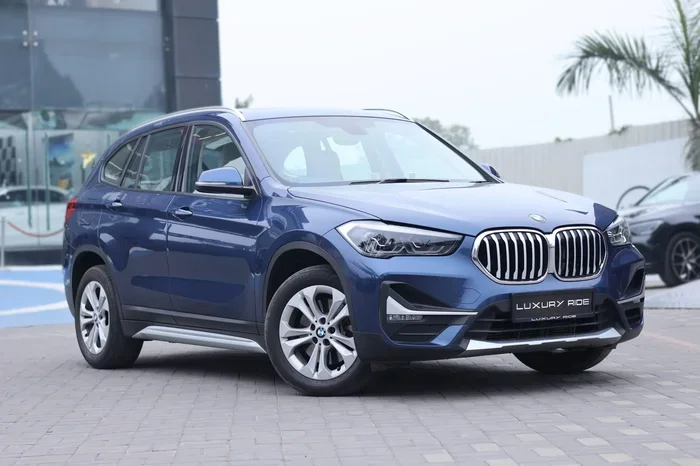
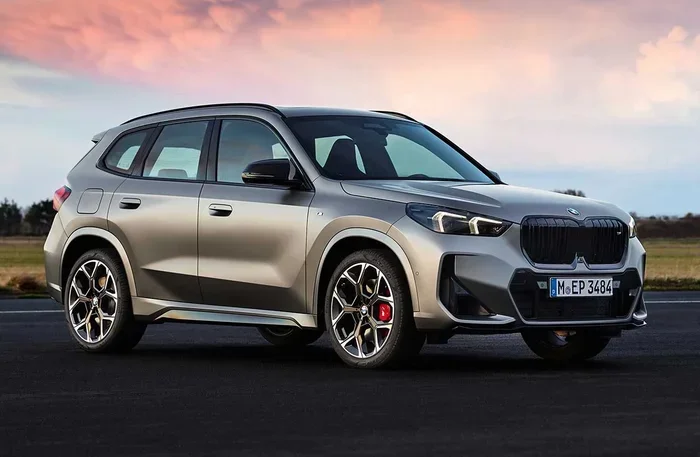
Visual guide about BMW X1 sDrive exterior
Image source: luxuryrideofficial.com
First Generation (E84: 2010–2015)
The original X1 (E84) was unique. It was based on the E90 3 Series platform. This is a rear-wheel-drive architecture. So, how did they make an sDrive version? They simply disconnected the driveshaft to the rear axle.
- Layout: Longitudinal engine (North-South).
- sDrive Mechanism: Power goes from engine -> transmission -> transfer case (locked in 2WD mode) -> rear driveshaft removed -> front differential.
- Feel: It drives like a RWD car that is being pushed from the front. It has a near 50/50 weight distribution.
This generation is the outlier. It is a “FWD conversion” of a RWD platform. It is heavier and more complex than a native FWD car. If you buy a used E84 sDrive, you are buying a RWD chassis with FWD components.
Second Generation (F48: 2016–2022)
This was the massive shift. BMW moved the X1 to the UKL platform (shared with the Mini Countryman and BMW 2 Series Active Tourer). This platform is designed for transverse engines (East-West) and front-wheel drive.
- Layout: Transverse engine.
- sDrive Mechanism: Native FWD. Engine and transmission sit sideways. Power goes directly into a front differential integrated with the gearbox.
- Feel: Lighter front end, more interior space, better fuel economy. This is a “true” FWD car.
This change upset purists but pleased accountants and families. The F48 sDrive is lighter, cheaper to build, and more spacious inside. The xDrive version on this platform uses a power take-off unit (PTU) and a driveshaft to a rear differential. It is a reactive AWD system (mostly FWD until slip is detected).
Third Generation (U11: 2023–Present)
The current X1 (U11) stays on the evolved UKL platform (FAAR architecture). It remains transverse-engine, front-wheel-drive based.
- Layout: Transverse engine.
- sDrive Mechanism: Native FWD, now with a 7-speed dual-clutch transmission (DCT) standard on gas models.
- EV Note: The iX1 eDrive20 is also FWD (single motor front). The iX1 xDrive30 is AWD (dual motor).
The U11 refines the F48 formula. The dual-clutch gearbox shifts faster than the old 8-speed torque converter, improving acceleration and efficiency for the sDrive models.
sDrive vs. xDrive: The Real World Differences
Choosing between sDrive and xDrive is the biggest decision for an X1 buyer. The price gap is usually $2,000–$2,500 MSRP. Here is what that money actually buys you.
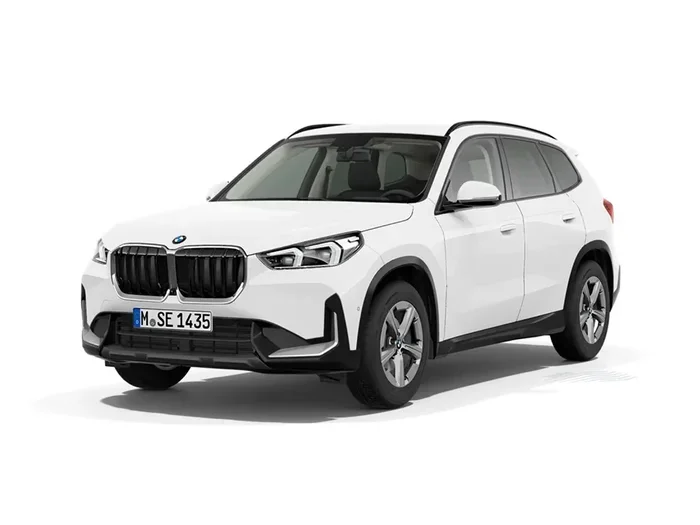
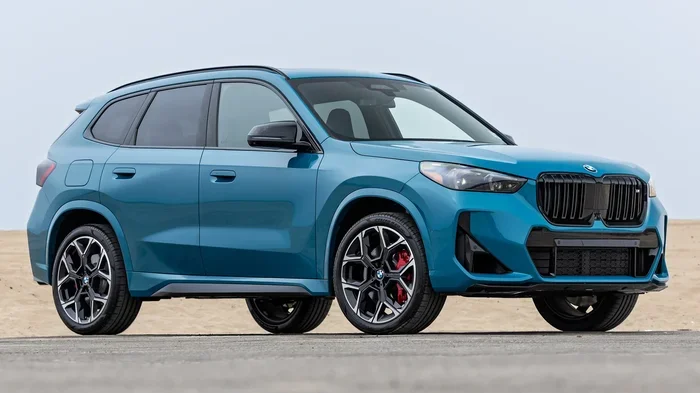
Visual guide about BMW X1 sDrive exterior
Image source: vertumotors.com
Traction and Weather Performance
xDrive wins here. It sends power to the rear wheels when the front slips. On ice, deep snow, or muddy grass, xDrive gets you moving when sDrive spins. However, modern stability control and good winter tires make sDrive surprisingly capable in 90% of winter conditions.
Fuel Economy
sDrive wins. Removing the transfer case, driveshaft, rear differential, and associated electronics saves roughly 150–200 lbs. The EPA ratings typically show a 1–2 MPG advantage for sDrive combined cycle. Over 5 years, that adds up.
Maintenance and Repair Costs
sDrive wins significantly. There are simply fewer parts to break. No rear differential fluid changes. No transfer case actuator motors (a common failure point on older xDrive). No driveshaft center support bearings. If you keep cars past 100k miles, sDrive is cheaper to own. For more on fluid maintenance, check our guide on choosing the right coolant for your BMW vehicle.
Handling and Driving Dynamics
This is subjective. sDrive feels lighter on its feet. Turn-in is sharper because the front tires aren’t managing both steering and high torque loads simultaneously (mostly). You get less understeer at the limit. xDrive feels more planted exiting corners. You can apply power earlier. It masks mistakes better. On a track, xDrive is faster. On a back road, sDrive can be more engaging.
Towing Capacity
Check your specific owner’s manual, but generally, xDrive often has a higher tow rating. The rear axle helps stabilize the trailer. If you tow a small camper or jet ski regularly, xDrive is the safer bet.
Pros and Cons of the BMW X1 sDrive (FWD)
Let’s look at the specific advantages and disadvantages of the front-wheel-drive X1 sDrive models (specifically F48 and U11).
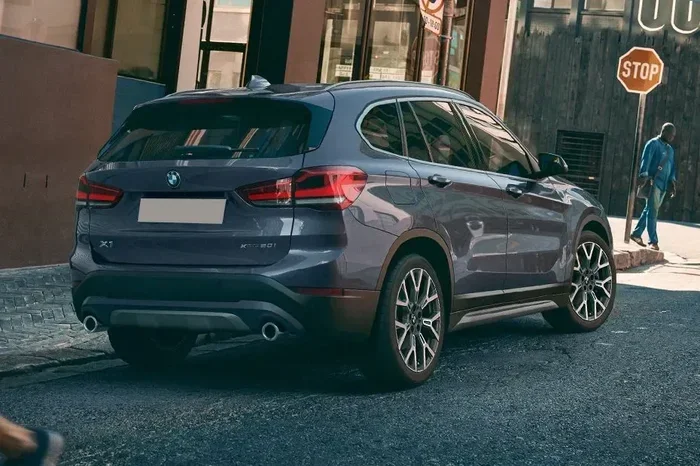
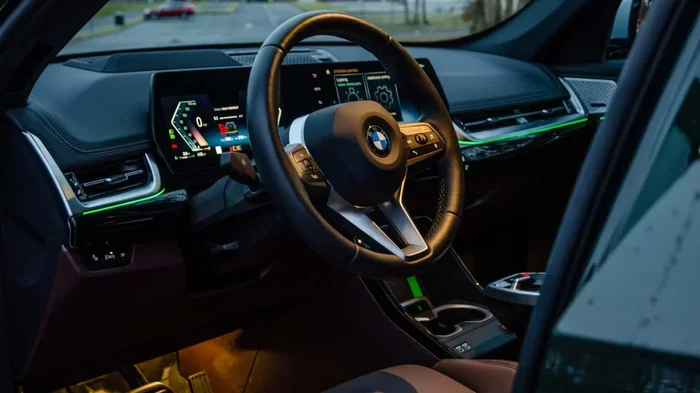
Visual guide about BMW X1 sDrive exterior
Image source: imgcdn.oto.com.sg
The Pros
- Lower Purchase Price: Instant savings of $2k+ over xDrive.
- Better Gas Mileage: Less weight, less drivetrain loss.
- More Interior Space: No driveshaft tunnel means a flat rear floor. Middle passenger sits comfortably.
- Simpler Maintenance: Fewer fluids, fewer wearable parts.
- Tighter Turning Circle: Without front CV joints needing extreme angles for a driveshaft, the steering rack often allows a tighter lock-to-lock turn.
The Cons
- Torque Steer: Hard acceleration can tug the steering wheel. Modern electric power steering and traction control mask this well, but it exists.
- Limited Snow/Ice Capability: Not an off-roader. Ground clearance is lower than xDrive on some trims.
- Tire Wear: Front tires do all the work: steering, braking, accelerating. They wear faster. Rotations are critical.
- Resale Perception: In northern states, xDrive holds value better. In the South, sDrive is preferred.
Quick Tips for X1 sDrive Owners
If you own or plan to buy an X1 sDrive, keep these practical tips in mind.
- Buy Winter Tires: This is the single best upgrade. A sDrive X1 on Blizzaks outperforms an xDrive on all-seasons in snow braking and cornering.
- Rotate Tires Every 5k-7k Miles: Front tires wear fast. Regular rotation saves you from buying pairs instead of sets.
- Check CV Axle Boots: FWD cars put high stress on CV joints. Inspect the rubber boots at every oil change. A torn boot leads to a noisy, expensive axle replacement.
- Brake Fluid & Coolant: Just because it’s simpler doesn’t mean maintenance-free. Stick to the 2-year brake fluid and 4-year coolant intervals. Learn about what colour is BMW coolant and why it matters to avoid mixing errors.
- Run-Flat Considerations: Most X1s come with run-flats. They ride stiff. Many owners switch to non-run-flats for comfort. If you do, buy a tire mobility kit or spare tire kit—there is no spare well in many models.
Common Mistakes Buyers Make
Avoid these pitfalls when choosing your X1 drivetrain.
- Assuming “BMW = RWD”: Test drive both. Feel the difference. Don’t buy based on badge reputation from 2005.
- Buying xDrive “Just in Case” in Florida: You pay more upfront, more at the pump, and more at the mechanic for capability you never use.
- Buying sDrive in Colorado with All-Seasons: You will get stuck. If you live in true snow belt, budget for winter tires or buy xDrive.
- Ignoring the Generation: An E84 sDrive (2013) drives nothing like a U11 sDrive (2024). The E84 has a longitudinal engine; the U11 is transverse. The E84 has a transfer case even in 2WD mode (internally).
- Skipping the Pre-Purchase Inspection (PPI): On used F48/U11 sDrive models, check the transmission mechatronics sleeve leaks and oil filter housing gasket leaks (common on B48 engines).
Expert Insight: The Platform Shift Matters Most
If you take one technical detail away, let it be this: The platform dictates the personality.
The E84 (2010-2015) sDrive is a RWD car wearing FWD shoes. It has a longitudinal engine. It feels heavier, more “traditional BMW” in steering weight, but the FWD implementation is a compromise.
The F48 (2016-2022) and U11 (2023+) sDrive models are native FWD cars. They are built on the UKL/FAAR architecture. They are lighter, roomier, and more efficient. They drive like a modern premium compact SUV—think Audi Q3 or Volvo XC40 dynamics.
If you want the “Ultimate Driving Machine” feel in an X1, the E84 sDrive with the N20 4-cylinder or N55 6-cylinder (xDrive only for 6-cyl usually, but 28i sDrive exists) offers that connection. If you want a practical, efficient, spacious daily driver, the F48/U11 sDrive is objectively the better tool. For a deep dive into how BMW names these platforms, see our article on decoding BMW vehicle designations.
Maintenance Specifics for the FWD X1 (F48/U11)
Since the vast majority of sDrive X1s on the road today are F48 or U11 models, let’s focus maintenance there.
The B48 Engine
Almost all gas sDrive models (sDrive28i) use the B48 2.0L turbo-4. It is a robust engine, but it has known quirks.
- Oil Filter Housing Gasket: Leaks onto the exhaust manifold. Smells like burning oil. Fix immediately.
- Coolant Leaks: Plastic thermostat housing and water pump (electric) fail around 60k-80k miles. Use OEM coolant. Mixing coolant types causes gelling. Read up on choosing the right antifreeze color for your BMW.
- Timing Chain: B48 uses a chain. It is generally durable, but listen for rattles on cold start (VANOS solenoids or chain tensioner).
The Transmissions
- F48 (2016-2022): Aisin 8-speed torque converter (GA8F22WA). Very reliable. Fluid change at 60k-80k miles is cheap insurance.
- U11 (2023+): 7-speed Dual Clutch (DCT). Snappier shifts. Requires fluid service roughly every 40k-60k miles. Do not skip this; DCT clutches wear fast with contaminated fluid.
Front Suspension
FWD cars carry more weight on the front axle (engine + trans + diff). The front control arm bushings and sway bar links wear faster than on a RWD BMW. Inspect annually. The good news: parts are cheaper than the complex multi-link rear suspensions on xDrive models.
Comparison Table: X1 sDrive vs xDrive (F48/U11 Generations)
| Feature | sDrive (FWD) | xDrive (AWD) |
|---|---|---|
| Engine Layout | Transverse | Transverse |
| Weight (approx) | ~3,700 lbs | ~3,900 lbs |
| EPA Combined MPG (28i) | 26-28 MPG | 24-26 MPG |
| 0-60 MPH (28i) | ~6.3 sec | ~6.1 sec |
| Rear Floor | Flat | Hump (Driveshaft) |
| Maintenance Items | Front brakes, Front tires, Trans fluid | All above + Rear diff, Transfer case, Driveshaft |
| Best For | Daily commute, Warm climates, Value buyers | Snow belts, Mountain driving, Towing |
Frequently Asked Questions (FAQ)
Is the BMW X1 sDrive front wheel drive on all model years?
Yes, every BMW X1 sold in the US with an sDrive badge has been front-wheel drive. The first generation (E84) achieved this by disconnecting the rear driveshaft on a RWD platform, while the second (F48) and third (U11) generations use a native front-wheel-drive platform with transverse engines.
Can I add xDrive to an sDrive X1 later?
Technically possible but financially insane. It requires a new transmission, transfer case, rear differential, driveshaft, rear subframe, wiring harnesses, and software coding. The cost exceeds the value of the car. Buy the correct drivetrain from the start.
Does the X1 sDrive have a limited-slip differential?
No. The X1 sDrive uses an open differential. It relies on the electronic brake-based traction control (DSC/EDC) to brake a spinning wheel and send torque to the gripping wheel. It works well for pavement but cannot match a mechanical LSD or xDrive’s multi-plate clutch for low-traction starts.
Is the BMW X1 sDrive good in snow?
With dedicated winter tires, yes, it is perfectly adequate for plowed roads and moderate snow. With all-season tires, it struggles on ice and deep snow compared to xDrive. The front-heavy weight distribution helps initial traction, but the lack of rear drive limits recovery once stuck.
What is the difference between sDrive18i, sDrive20i, and sDrive28i?
These numbers denote engine output, not drivetrain. All are FWD. The “18i” and “20i” are lower-tune versions of the B48 2.0L engine (common in Europe). The “28i” is the higher-output version standard in the US market. The drivetrain hardware (transmission, axles) is largely identical across these power levels.
Are there any Rear-Wheel Drive X1 models?
No. There has never been a rear-wheel-drive BMW X1. The E84 generation was based on a RWD platform, but the sDrive version sent power exclusively to the front wheels. The xDrive version was AWD. If you want a RWD BMW SUV, you must look at the X3 or X5 (in sDrive trim, though rare in US).
Conclusion
So, is BMW X1 sDrive front wheel drive? Absolutely. It has been since day one. But as we have seen, “front-wheel drive” covers two very different engineering approaches. The early E84 was a clever adaptation of a sports sedan chassis. The modern F48 and U11 are purpose-built, transverse-engine efficiency machines.
For most drivers, the modern X1 sDrive is the smart choice. It delivers the badge, the luxury, the space, and the fuel economy without the complexity and cost of all-wheel drive. Just remember: tires make the car. Put quality rubber on those front wheels, rotate them religiously, and your sDrive X1 will deliver years of smiles per gallon. If you are looking at used models, don’t forget to check the reliability history for the specific year; our guide on identifying the most reliable BMW models for longevity can help you pick a winner.