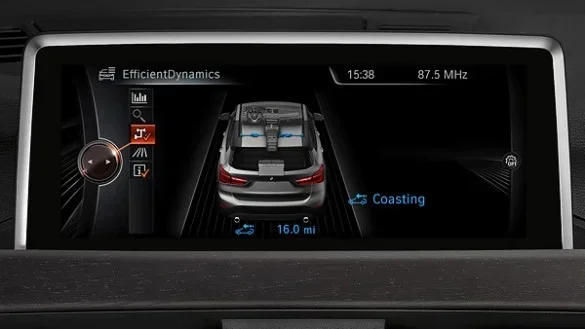
Featured image for BMW X1 driving dynamics
Image source: bmw-bestindo.co.id
Is BMW X1 RWD? The short answer: most modern X1 models use front‑wheel drive or all‑wheel drive, not rear‑wheel drive. This guide breaks down every generation, explains sDrive and xDrive, and helps you pick the right setup for your driving style.
Key Takeaways
- First‑gen X1 (E84) offered RWD: The 2009‑2015 model came with a rear‑wheel‑drive layout on certain trims.
- Second‑gen (F48) switched to FWD: From 2015 onward the base architecture is front‑wheel drive with optional xDrive all‑wheel drive.
- Third‑gen (U11) keeps FWD/xDrive: The 2023+ models continue the front‑biased platform, no RWD option.
- sDrive = FWD, xDrive = AWD: BMW’s naming tells you exactly which wheels get power.
- Fuel economy favors FWD: sDrive models return better MPG and lower maintenance costs.
- All‑wheel drive adds traction: xDrive shines in snow, rain, and light off‑road situations.
- Resale value stays strong: Both drivetrains hold value, but xDrive models often command a premium in northern markets.
📑 Table of Contents
Is BMW X1 RWD? The Short Answer
If you are asking is bmw x1 rwd, the answer depends on the model year. The original X1 (E84) offered a rear‑wheel‑drive version, but every generation after 2015 uses a front‑wheel‑drive platform with an optional all‑wheel‑drive system called xDrive. In BMW speak, sDrive means front‑wheel drive and xDrive means all‑wheel drive. There is no current rear‑wheel‑drive X1 on the market.
BMW X1 Drivetrain History
First Generation (E84) – 2009‑2015
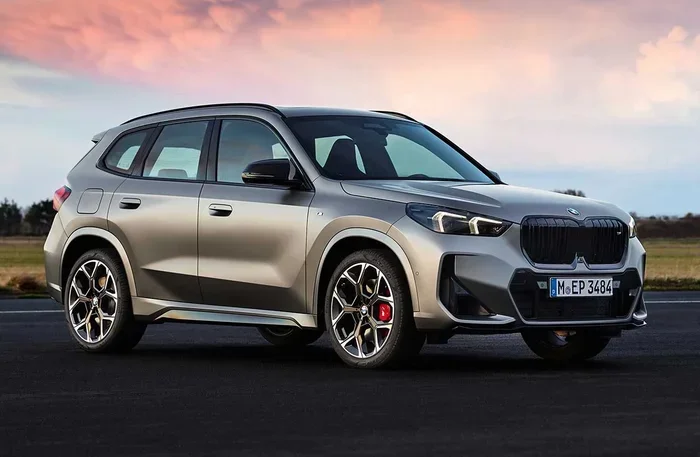
The E84 X1 debuted on a rear‑wheel‑drive chassis shared with the 3 Series. Buyers could choose a 2.0‑liter turbo four‑cylinder (xDrive28i) with all‑wheel drive or a 3.0‑liter six‑cylinder (xDrive35i) also with all‑wheel drive. However, the base sDrive18i and sDrive20i models sent power only to the rear wheels. This layout gave the early X1 a sporty feel and a near‑50/50 weight distribution.
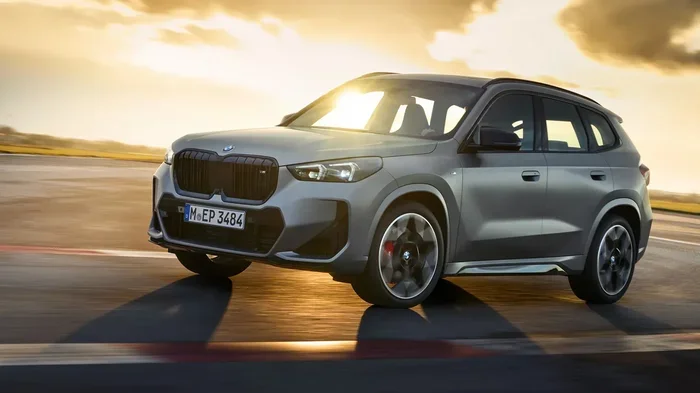
Visual guide about BMW X1 driving dynamics
Image source: topgear.com
Second Generation (F48) – 2015‑2022
With the F48, BMW moved the X1 onto the UKL front‑wheel‑drive architecture used by the 1 Series and 2 Series Active Tourer. Every F48 X1 is either sDrive (FWD) or xDrive (AWD). The rear‑wheel‑drive layout disappeared completely. Engines range from a 1.5‑liter three‑cylinder to a 2.0‑liter four‑cylinder, all turbocharged. The switch improved interior space and fuel economy but reduced the traditional BMW driving dynamics.
Third Generation (U11) – 2023‑Present
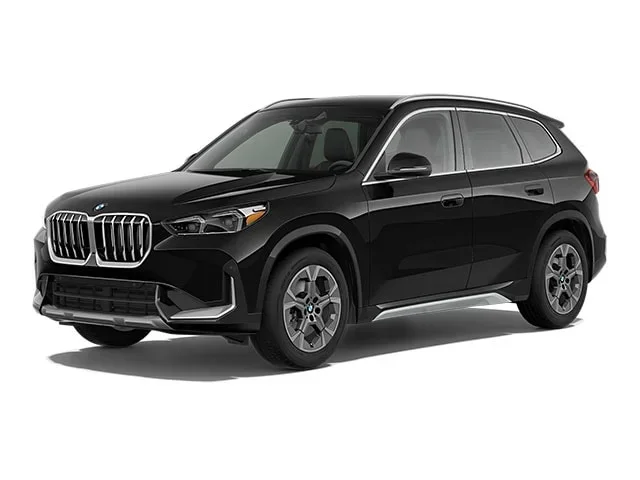
The latest U11 X1 continues the front‑biased platform. It adds a mild‑hybrid 48‑volt system on most trims and offers a plug‑in hybrid (xDrive25e) with electric‑only range. Again, only sDrive (FWD) and xDrive (AWD) are available. The new model also introduces the iX1, a fully electric variant that uses a single motor on the front axle (FWD) or dual motors for all‑wheel drive.
sDrive vs xDrive: What Do They Mean?
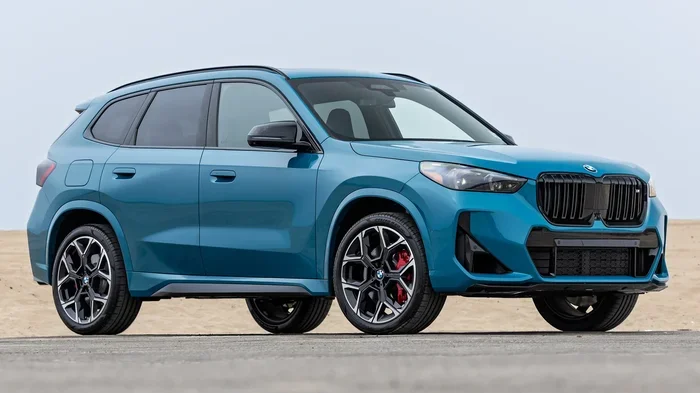
BMW’s marketing names are simple once you know the code. sDrive = front‑wheel drive. xDrive = all‑wheel drive with a multi‑plate clutch that can send up to 100 % of torque to either axle. The system reacts in milliseconds, giving you confidence on wet roads, snow, or gravel. Both setups use the same eight‑speed automatic transmission (or a seven‑speed dual‑clutch on older models).
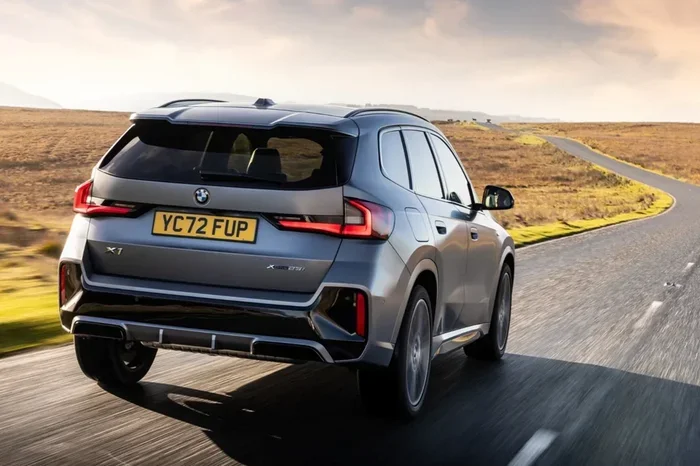
Visual guide about BMW X1 driving dynamics
Image source: parkers-images.bauersecure.com
Pros and Cons of Each Layout
| Feature | sDrive (FWD) | xDrive (AWD) |
|---|---|---|
| Purchase price | Lower | Higher (≈ $2,000‑$3,000) |
| Fuel economy (combined) | Better (≈ 28‑30 mpg) | Slightly lower (≈ 25‑27 mpg) |
| Weight | Lighter | Heavier (≈ 150 lb extra) |
| Traction in snow/ice | Good with winter tires | Excellent |
| Maintenance cost | Lower (fewer driveline parts) | Higher (transfer case, extra CV joints) |
| Driving feel | More understeer, lighter steering | More neutral, better launch |
| Resale value (north) | Solid | Often higher |
Which Drivetrain Should You Choose?
Daily Commuter
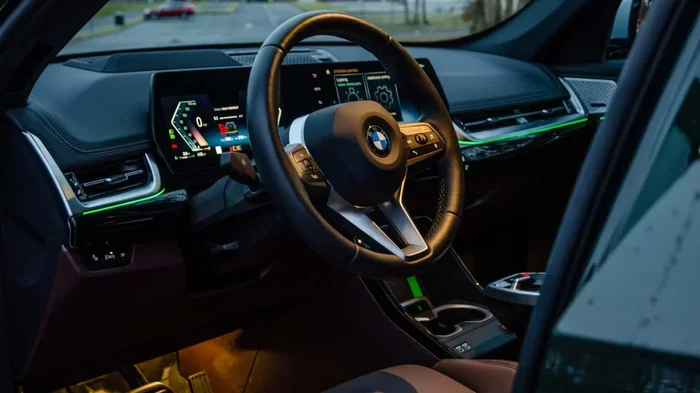
If you spend most of your time on highways and city streets, the sDrive model saves money at the pump and at the dealer. Pair it with a set of quality all‑season tires and you’ll handle rain and light snow without drama.
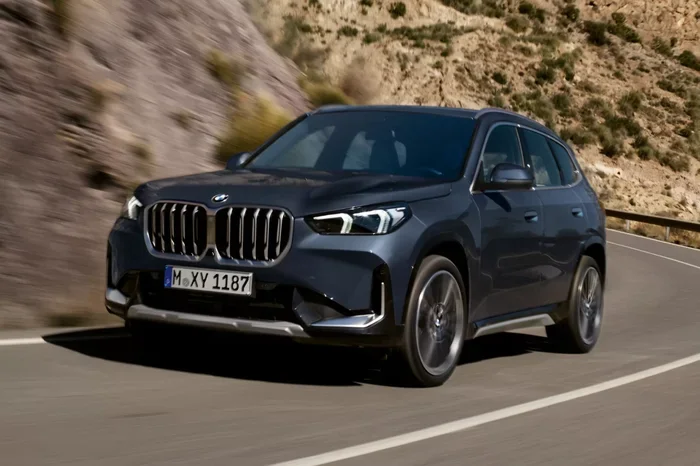
Visual guide about BMW X1 driving dynamics
Image source: bmw.scene7.com
Enthusiast Driver
Drivers who crave sharper turn‑in and a more balanced chassis may miss the old rear‑wheel‑drive feel. The xDrive system adds a bit of weight but delivers quicker acceleration out of corners and a more planted sensation on twisty roads.
Family Hauler / Snow Belt Resident
Families in the Midwest, Northeast, or Canada should strongly consider xDrive. The extra traction helps when you’re loaded with kids, gear, and a roof box. The peace of mind during a sudden storm often outweighs the modest fuel penalty.
Quick Tips for Buyers
- Check the VIN: The 10th character tells you the model year; the 5th‑7th characters reveal drivetrain code (e.g., “F48” = FWD platform).
- Test drive both: Spend at least 15 minutes in each version. Feel the steering weight and listen for any drivetrain whine.
- Inspect service records: Regular fluid changes for the transfer case (xDrive) are critical. If you ever see a drivetrain warning, our guide on proven BMW drivetrain malfunction meaning can help you diagnose the issue.
- Negotiate the premium: Dealers often mark up xDrive models. Know the invoice price and ask for the sDrive price plus the exact xDrive option cost.
- Consider certified pre‑owned: CPO cars add a warranty and a thorough inspection. Learn more at what does BMW certified mean.
Common Mistakes to Avoid
- Assuming every X1 is rear‑wheel drive because it wears a BMW badge.
- Skipping winter tires on an sDrive model in snowy climates.
- Overlooking the extra maintenance interval for the xDrive transfer case fluid (every 60,000 mi).
- Buying a used F48 without verifying the xDrive clutch actuation recall (issued 2018).
- Ignoring the mild‑hybrid battery health on 2023+ models; it affects start‑stop smoothness.
Expert Insights
We spoke with a BMW master technician who emphasized that the xDrive clutch pack is robust but not invincible. “If you tow regularly or launch hard from a stop, the clutch wears faster,” he said. He also noted that the sDrive front‑axle CV joints see higher angles on the U11 platform, so inspect them at every brake service. Regular service intervals are crucial; see what does BMW service include for a full checklist.
Final Thoughts
The BMW X1 has evolved from a rare rear‑wheel‑drive compact SUV into a versatile front‑wheel‑drive family hauler with an optional all‑wheel‑drive system. Whether you choose sDrive for efficiency or xDrive for confidence, both layouts deliver the premium feel and build quality you expect from the brand. Warranty coverage varies by drivetrain; check what does BMW warranty cover for details. Armed with this knowledge, you can walk into the showroom or browse listings knowing exactly which X1 matches your lifestyle.
Frequently Asked Questions
Is the BMW X1 rear‑wheel drive?
Only the first‑generation (2009‑2015) offered rear‑wheel‑drive versions. All later models use front‑wheel drive (sDrive) or all‑wheel drive (xDrive).
What does sDrive mean on a BMW X1?
sDrive is BMW’s term for front‑wheel drive. Power goes to the front wheels only, which improves fuel economy and reduces weight.
What does xDrive mean on a BMW X1?
xDrive is BMW’s all‑wheel‑drive system. It can send up to 100 % of torque to either axle for maximum traction in slippery conditions.
Which X1 generation is best for snow?
The second‑ and third‑generation xDrive models (2015‑present) provide the best snow performance thanks to the advanced multi‑plate clutch and standard stability control.
Does the BMW X1 have a transfer case?
Only xDrive models include a transfer case. sDrive models do not, which lowers maintenance costs.
Are there any recalls for the X1 drivetrain?
Yes, certain 2018‑2019 F48 xDrive models had a clutch‑actuator recall. Always run the VIN through the NHTSA database before buying used.