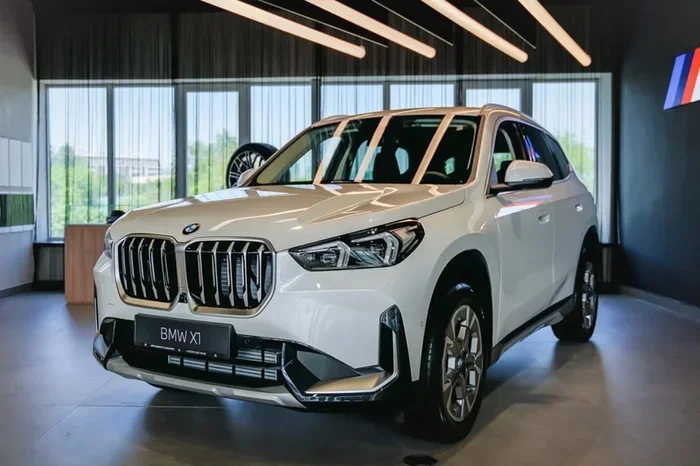
Featured image for New BMW X1 SUV
Image source: pictures.dealer.com
The BMW X1 stands out as a compelling entry-level luxury SUV that blends sporty handling with practical daily usability. This guide breaks down everything you need to know—from BMW X1 reliability and maintenance costs to engine options, tech features, and how it stacks up against the X3 and key competitors like the Audi Q3 and Mercedes GLA.
Shopping for a luxury crossover can feel overwhelming. You want the badge, the driving feel, and the tech, but you also need space for groceries, car seats, or weekend gear. The BMW X1 sits right at that intersection. It is the gateway to the brand’s SUV lineup, promising the “Ultimate Driving Machine” experience in a package that fits a city garage. But does it deliver on that promise, or are you just paying for the roundel on the hood?
We have driven every generation, pored over reliability data, and talked to independent BMW specialists. In this deep dive, we cut through the marketing fluff. You will learn exactly what the X1 does well, where it cuts corners, what it costs to own, and how to pick the right model year for your budget. Whether you are eyeing a brand-new 2025 model or a certified pre-owned 2018, this guide has you covered.
Key Takeaways
- Entry-Level Luxury: The X1 is BMW’s smallest SUV, offering a premium badge and driving dynamics at a lower starting price than the X3 or X5.
- Engine Choices: Current models feature a turbocharged 2.0-liter four-cylinder (xDrive28i) with a 48-volt mild-hybrid system for smooth, efficient power.
- Reliability is Average: While generally dependable, watch for coolant leaks, timing chain issues on older models, and electrical gremlins; a pre-purchase inspection is vital for used buyers.
- Practical Interior: Despite its compact footprint, the X1 offers surprising rear legroom and up to 57.2 cubic feet of cargo space with seats folded.
- xDrive vs. sDrive: All-wheel drive (xDrive) is standard on the current US-spec xDrive28i, providing excellent foul-weather traction.
- Tech-Forward Cabin: The latest generation (U11 chassis) adopts the curved iDrive 9 display, wireless Apple CarPlay/Android Auto, and available Head-Up Display.
- Strong Resale Value: BMWs typically hold value well, but high mileage and missed services can hurt the X1’s trade-in price significantly.
📑 Table of Contents
- BMW X1 Generations at a Glance
- Performance, Engines, and Driving Dynamics
- Interior, Tech, and Cargo Practicality
- BMW X1 Reliability and Common Problems
- BMW X1 vs. The Competition
- Buying Guide: New, CPO, or Used?
- Ownership Costs: Fuel, Insurance, and Depreciation
- Expert Insights: What Mechanics Wish You Knew
- Frequently Overlooked Features & Tips
- Is the BMW X1 Right for You? Decision Matrix
- Final Verdict
BMW X1 Generations at a Glance
Understanding the lineage helps you spot the differences in design, platform, and engineering. There are three distinct generations, and they drive very differently.
First Generation (E84: 2010–2015)
The original X1 was unique. It sat on a modified 3 Series (E90) platform, meaning it used a longitudinal engine layout and rear-wheel-drive bias. Enthusiasts love this generation for its sharp steering and available six-cylinder engine (xDrive35i). However, the ride is stiff, the interior feels dated, and the rear seat is tight. If you want a driver’s car first and an SUV second, this is the one.
Second Generation (F48: 2016–2022)
This was a massive shift. BMW moved the X1 to the front-wheel-drive UKL platform (shared with the Mini Countryman). The engine turned sideways. Purists complained, but sales skyrocketed. The cabin grew significantly, quality improved, and the four-cylinder turbo engines became punchy and efficient. The xDrive all-wheel-drive system here is front-biased but reacts quickly. This is the sweet spot for used buyers today.
Third Generation (U11: 2023–Present)
The current model grows again. It looks like a shrunken X5. It rides on the FAAR platform, keeping the transverse engine but adding a 48-volt mild-hybrid system to the 2.0L turbo-four. The interior is a tech showcase with the massive curved screen running iDrive 9. It is quieter, faster, and more expensive. It also finally offers a proper head-up display and available park assist pro.
Performance, Engines, and Driving Dynamics
Let’s talk about what it feels like behind the wheel. The “is BMW X1 fun to drive” question depends heavily on the generation.
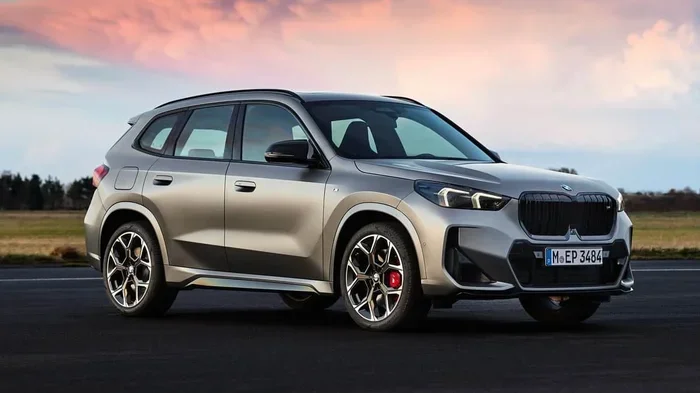
Visual guide about New BMW X1 SUV
Image source: tractionlife.com
The Current Powertrain: xDrive28i
Every 2023+ X1 sold in the US is an xDrive28i. Under the hood sits the B48 2.0-liter TwinPower Turbo inline-four. It makes 241 horsepower and 295 lb-ft of torque. The 48-volt mild-hybrid starter-generator adds a brief 12-hp boost and smooths out the auto start-stop function. It hits 60 mph in roughly 6.2 seconds. That is genuinely quick for this class.
Transmission and AWD
A 7-speed dual-clutch transmission (DCT) sends power to all four wheels. The DCT snaps off shifts faster than the old 8-speed torque converter. The xDrive system can send 100% of torque to the front or rear axle instantly. In normal driving, it feels front-heavy. Push hard in a corner, and the rear end helps rotate the car. It feels neutral and confident, not nose-heavy like some rivals.
Older Engine Options (F48 Generation)
- sDrive28i: Front-wheel drive, 2.0L turbo (228 hp). Lighter, better MPG, but torque steer exists.
- xDrive28i: All-wheel drive, same engine. The one to get for snow belts.
- xDrive25e (PHEV): Plug-in hybrid. 1.5L 3-cylinder + electric motor. 31 miles EV range. Great for short commutes; complex long-term.
Ride Quality and Handling
The current U11 rides on a longer wheelbase. It absorbs potholes better than the F48. The steering is light in Comfort mode, weighting up nicely in Sport. It does not have the telepathic front end of an old E84 or a current 3 Series, but it beats the Mercedes GLA and Volvo XC40 for driver engagement. The brake pedal feel is excellent—progressive and easy to modulate.
Interior, Tech, and Cargo Practicality
Step inside the new X1, and you see where the budget went. The dashboard is dominated by the BMW Curved Display—a 10.25-inch digital cluster fused to a 10.7-inch touchscreen running iDrive 9. No more iDrive rotary knob (it’s gone on this model). You control everything via touch or voice (“Hey BMW”).
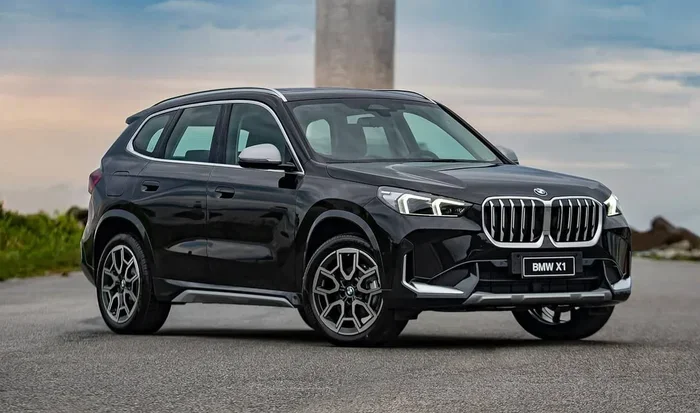
Visual guide about New BMW X1 SUV
Image source: encontracarros.com.br
Seating Comfort and Space
Front seats are supportive with standard power adjustment. The rear bench slides and reclines (40/20/40 split). Two six-footers can sit behind each other—something the old X1 couldn’t claim. Headroom is good unless you option the panoramic sunroof, which cuts an inch or two.
Cargo Capacity
- Behind 2nd Row: 27.1 cubic feet (up from 21.6 in F48).
- Seats Folded: 57.2 cubic feet.
- Underfloor Storage: Deep bin hides the load cover and charging cables.
It swallows a Costco run or a stroller plus luggage easily. The liftgate is standard power; a hands-free sensor is optional.
Tech Highlights and Annoyances
Standard: Wireless Apple CarPlay/Android Auto, WiFi hotspot, three USB-C ports, keyless entry, dual-zone climate.
Optional/Upper Trim: Head-Up Display, Harman Kardon audio, wireless charging pad, Parking Assistant Plus (automated parking), Digital Key Plus (phone as key).
The Gripe: Buried climate controls in the touchscreen. No physical volume knob. The voice assistant is good but not perfect.
BMW X1 Reliability and Common Problems
This is the section that saves you money. The X1 is not a Toyota RAV4. It has more complex systems, and maintenance costs reflect that. Identifying the most reliable BMW models for longevity often places the F48 X1 in the middle of the pack—better than a 7 Series, not as bulletproof as an E90 328i.
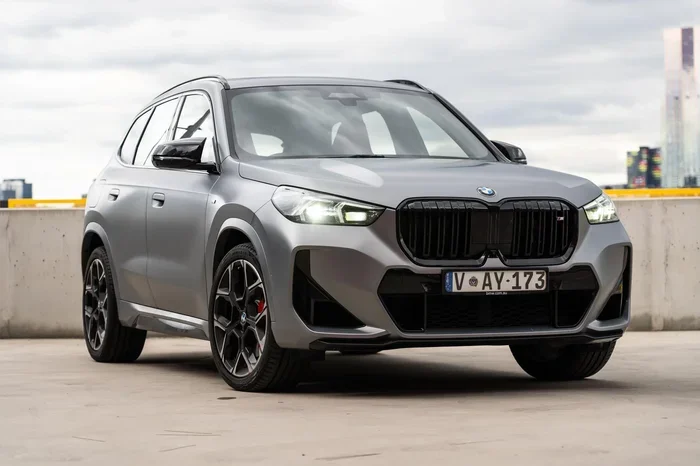
Visual guide about New BMW X1 SUV
Image source: images.carexpert.com.au
Generation-Specific Issues
E84 (2010–2015) – The “Enthusiast” Gamble
- Timing Chain (N20 Engine): Early 2011–2014 four-cylinders (sDrive28i/xDrive28i) had plastic chain guides that fail. Can grenade the engine. BMW extended warranty to 7yrs/70k miles; many are expired now. Check service records religiously.
- Valve Cover & Oil Filter Housing Gaskets: Leak oil onto the exhaust manifold. Smells like burning oil.
- Electric Water Pump & Thermostat: Standard BMW failure items around 60k–80k miles.
- Transfer Case Actuator Motor: xDrive models. Gear strips, leaving you in FWD only.
F48 (2016–2022) – The Volume Seller
- Coolant Leaks: The B48 engine is robust, but the plastic coolant pipe to the turbo and the thermostat housing crack. Using the correct BMW coolant (HT-12, blue/green) and distillated water prevents electrolysis that accelerates this.
- Oil Filter Housing Gasket: Still a thing on B48. Leaks onto the starter motor.
- DCT Mechatronics/Sleeve: Rare but expensive. Jerky low-speed shifts or “drivetrain malfunction” warning.
- Front Control Arm Bushings: Wear prematurely on rough roads. Clunking noise over bumps.
- PHEV (xDrive25e) High Voltage Battery: Some early units had coolant intrusion. Check for software updates.
U11 (2023+) – Too New for Patterns
Early reports mention software glitches (iDrive 9 freezes, wireless CarPlay drops, false blind-spot alerts). Over-the-air updates fix most. No mechanical trends yet. The B48TU2 engine with mild-hybrid is proven in the 3 Series and X3.
Maintenance Costs: The “BMW Tax” Reality
Budget $1,200–$1,800 per year for maintenance and repairs on an out-of-warranty F48. The E84 can spike higher if the timing chain goes. The U11 includes BMW Ultimate Care (3 years/36,000 miles free maintenance). What does BMW Ultimate Care cover? Oil changes, brakes, wipers, fluids—basically all scheduled service. It transfers to subsequent owners, huge plus for CPO buyers.
Quick Tip: The Pre-Purchase Inspection (PPI)
Never buy a used X1 without a PPI at an independent BMW shop (not the selling dealer). Cost: $150–$250. They will check:
1. Timing chain noise (cold start rattle).
2. Coolant system pressure test.
3. Transfer case actuator function.
4. Brake rotor thickness (BMW rotors wear fast).
5. Tire tread match (xDrive needs matching circumferences).
BMW X1 vs. The Competition
How does it stack up against the heavy hitters in the subcompact luxury SUV ring?
| Model | Starting MSRP (2025) | Horsepower | Cargo (Seats Up) | 0-60 MPH | Key Strength |
|---|---|---|---|---|---|
| BMW X1 xDrive28i | $40,600 | 241 | 27.1 cu ft | 6.2 sec | Best driving dynamics, tech interface |
| Audi Q3 45 TFSI quattro | $39,900 | 228 | 23.7 cu ft | 7.0 sec | Interior build quality, Virtual Cockpit |
| Mercedes GLA 250 4MATIC | $39,850 | 221 | 15.4 cu ft | 6.8 sec | MBUX infotainment, ride comfort |
| Volvo XC40 B5 AWD | $39,550 | 247 | 25.2 cu ft | 6.2 sec | Safety tech, distinctive design |
| Genesis GV60 (EV) | $53,800 | 314 | 24.2 cu ft | 5.1 sec | EV performance, warranty |
BMW X1 vs. BMW X3: The Sibling Rivalry
The X3 starts around $47,000. For $6,500 more, you get a larger platform (longitudinal engine), more rear legroom, a smoother ride, and a proper 8-speed automatic. The X1 is wider inside than you expect, but the X3 feels like a class above. If you regularly carry adults in the back or tow (X3 tows 4,400 lbs vs X1’s 2,000 lbs), stretch for the X3. If you are single, a couple, or have young kids in car seats, the X1 is 90% of the car for 85% of the price.
BMW X1 vs. X2
The X2 is a style-focused coupe-SUV on the same F48/U10 platform. It has less headroom, less cargo, a smaller rear window, and a higher price. Buy the X2 only if you prioritize looks over utility. The X1 is the rational choice.
Buying Guide: New, CPO, or Used?
New (2024/2025 U11)
You get the full warranty, Ultimate Care maintenance, latest safety tech (standard front collision mitigation, lane departure, speed limit assist), and the curved screen. Interest rates are high; lease deals often look better than financing. Look for “BMW Select” financing if you want lower payments with a balloon.
Certified Pre-Owned (CPO) – The Sweet Spot
Target a 2021–2022 F48 xDrive28i. CPO adds 1 year/unlimited miles on top of the remaining 4yr/50k factory warranty. It covers the expensive stuff (turbo, transmission, electronics). You save $8k–$12k off MSRP. Ensure the CPO inspection actually happened—ask for the checklist.
Used (Pre-2021)
- 2018–2020 F48: Post-LCI (facelift). Better headlights, updated iDrive 7, B48 engine revisions. Solid picks if maintenance is current.
- 2016–2017 F48: First year of new platform. Early software bugs, slightly different interior trim. Cheaper.
- 2013–2015 E84: Only for enthusiasts who DIY or have a trusted indie shop. Avoid the N20 4-cylinder unless timing chain is documented as replaced with updated parts. The N55 6-cylinder (xDrive35i) is stronger but thirsty.
Trim Levels Decoded (Current U11)
- xDrive28i (Base): 18-inch wheels, Sensatec leatherette, 8-way power seats, triple-zone climate (optional), standard safety suite. Great value.
- xDrive28i M Sport: 19-inch M wheels, M steering wheel, Shadowline trim, M Sport suspension (stiffer), M seats (more bolstering). Worth it for the seats and looks.
Packages to get: Premium Package (Head-Up Display, Harman Kardon, wireless charging, digital key, park assist) and Driver Assistance Pro (adaptive cruise with stop-and-go, active lane keep). Skip the 20-inch wheels—they ruin the ride and cost a fortune to replace.
Ownership Costs: Fuel, Insurance, and Depreciation
Fuel Economy (EPA Estimates)
- 2024 X1 xDrive28i: 25 City / 34 Highway / 28 Combined MPG. Requires Premium (91+ octane).
- 2022 X1 xDrive28i: 23 / 31 / 26 MPG.
- 2022 X1 xDrive25e PHEV: 62 MPGe / 29 MPG gas only. 31-mile EV range.
Real world: Expect 24–26 MPG mixed. The mild hybrid helps in city traffic.
Insurance
Average full coverage: $1,800–$2,400/year. Higher than a CR-V or RAV4 due to repair costs (aluminum suspension parts, sensors in bumpers, OEM glass for HUD). Shop rates; some insurers treat the X1 as a “sports wagon” and charge more.
Depreciation
Year 1: ~22%. Year 3: ~40%. Year 5: ~55%. This is average for the segment. The F48 holds value slightly better than the E84 did because demand for used entry-lux SUVs is high. High mileage (>15k/yr) and accident history kill value fast.
Expert Insights: What Mechanics Wish You Knew
We spoke with Karl, a BMW Master Technician with 22 years experience running an independent shop in Colorado.
“The F48 X1 is the most honest BMW in the lineup right now. The B48 engine is bulletproof if you change the oil every 5,000 miles with LL-01 FE 0W-20. The dealer says 10k or 12k—don’t listen. Turbo engines hate diluted oil. Also, flush the brake fluid every two years. The DSC pump fails if moisture builds up. And please, use the correct coolant for your BMW vehicle—mixing green and blue creates sludge that kills water pumps.”
Key Takeaway: Shorten your oil intervals. Use OEM filters (Mann, Mahle, BMW branded). Keep the battery charged (short trips kill AGM batteries). Address check engine lights immediately—lean codes on the B48 often mean a vacuum leak (intake manifold or valve cover), not a bad sensor.
Frequently Overlooked Features & Tips
Hidden Gems
- Remote 3D View: Check your car’s surroundings via the MyBMW app (requires Connected Drive subscription after trial).
- Digital Key Share: Send a key to a friend’s iPhone/Android for a set time. Great for valets or house sitters.
- Personal eSIM: You can insert your own data SIM in the glovebox slot for better connectivity than the BMW hotspot.
- Tire Pressure Monitor Reset: In the iDrive menu, not a button. Do it after every rotation or pressure adjustment.
Common Mistakes to Avoid
- Running Regular Gas: The ECU retards timing. You lose power, risk knock, and carbon buildup increases. Save $0.50/gal, risk $3k engine repair.
- Ignoring “Service Due” for Brake Fluid: It’s time-based (2 years), not mileage. Moisture = failed ABS/DSC module ($1,200+).
- Buying Cheap Tires: xDrive needs matching rolling diameters. Mismatched wear = transfer case bind. Replace all four, or shave the new one to match (specialty shops do this).
- Skipping the Cabin Filter: The activated charcoal filter costs $35. A clogged one kills the blower motor resistor ($300).
Is the BMW X1 Right for You? Decision Matrix
Buy It If:
- You want a luxury badge with genuine sport sedan handling.
- You need a compact footprint for city parking but real adult space inside.
- You value tech integration (iDrive 9, Digital Key, OTA updates).
- You can budget for premium fuel and slightly higher maintenance.
- You plan to lease (strong residuals = low payments) or keep 3–5 years under warranty.
Look Elsewhere If:
- You want Toyota-level “ignore it for 200k miles” reliability.
- You need to tow more than a small trailer (2,000 lb limit).
- You hate touchscreen-only climate controls.
- You want a V6 or inline-six sound (it’s a 4-cylinder only now).
- Your daily commute is 50+ miles of highway (a PHEV or diesel—if you find a used X1 xDrive20d in Canada/Europe—makes more sense).
Final Verdict
The BMW X1 succeeds at its core mission: distilling the BMW driving experience into a practical, premium compact SUV. The current U11 generation is the most complete version yet—faster, roomier, and packed with technology that actually works. The F48 generation represents a tremendous used value, provided you verify the maintenance history and budget for the known coolant and bushing issues.
It is not perfect. The ride can be busy on 19-inch wheels, the touchscreen climate controls are a safety distraction, and the four-cylinder engine lacks the soul of the old inline-six. But against the Audi Q3, Mercedes GLA, and Volvo XC40, the X1 remains the driver’s choice. It feels lighter on its feet, more communicative, and more engaging.
If you treat it right—synthetic oil changes at 5k, correct fluids, timely brake fluid flushes—it will reward you with years of smiles per mile. That is the BMW promise, and the X1 keeps it.



