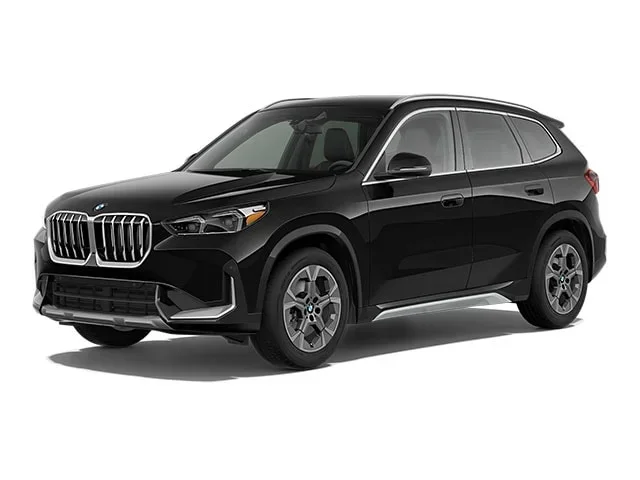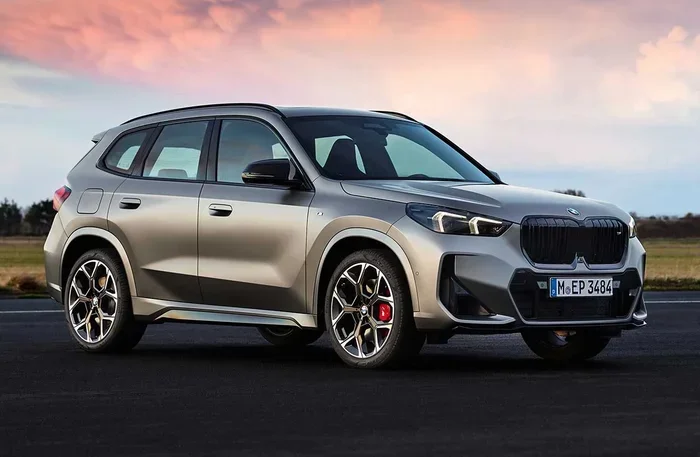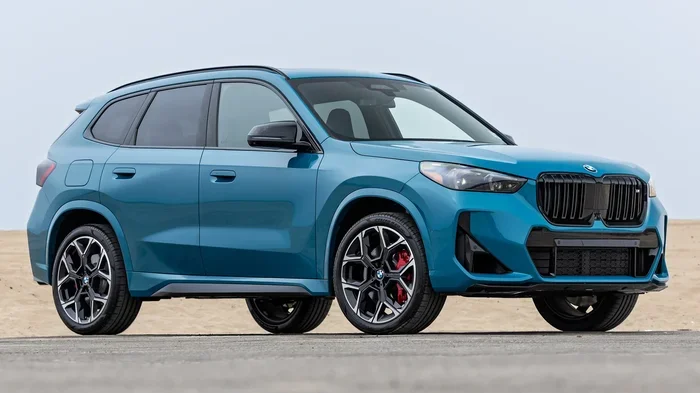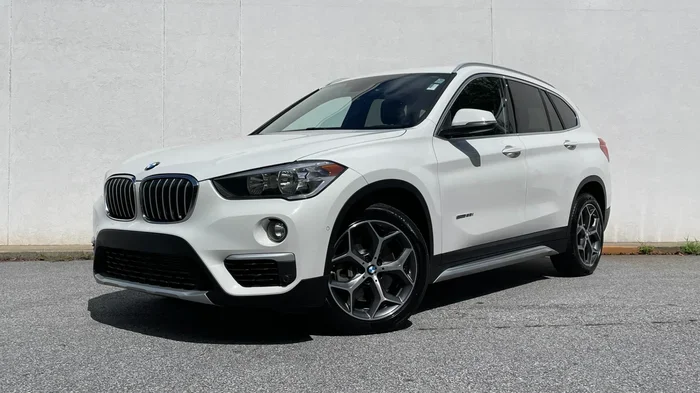
Featured image for 2018 BMW X1 exterior
Image source: formulaimports.com
is 2018 bmw x1 a good car is an essential topic that provides valuable insights.
Shopping for a used luxury SUV is stressful. You want the badge, the features, and the driving feel, but you are terrified of a repair bill that costs more than a down payment on a Honda CR-V. The 2018 BMW X1 sits right in that sweet spot. It is the second generation (F48 chassis), meaning it switched to front-wheel-drive architecture. Purists hated that move. Real-world buyers? They mostly loved the extra interior space it unlocked.
I have spent years wrenching on these and talking to owners. The consensus is clear: this is a good car if you go in with open eyes. It is not a Toyota RAV4. It will cost more to maintain. But it drives better, looks sharper, and feels more special every time you walk up to it in a parking lot. Let’s dig into the nitty-gritty so you can decide if it fits your life and your wallet.
Key Takeaways
- Solid Overall Package: The 2018 X1 delivers a rare blend of sporty handling, practical cargo space, and a premium interior that feels more expensive than its class suggests.
- Engine Reliability: The B48 2.0L turbo-four is generally robust, but watch for early timing chain tensioner updates and potential coolant leaks from the thermostat housing.
- Transmission Strength: The 8-speed Aisin automatic is smooth and durable, provided fluid changes are performed every 60,000 miles.
- Maintenance Costs Are Real: Budget $1,000–$1,500 annually for maintenance and repairs; run-flat tires and synthetic oil changes add up quickly.
- CPO Is King: A Certified Pre-Owned (CPO) unit with the extended warranty offers the best peace of mind for a used luxury SUV.
- Common Pain Points: Electrical gremlins (iDrive, sensors), brittle plastic coolant components, and stiff run-flat ride quality are the top owner complaints.
- Strong Resale Value: The X1 holds value well, making it a decent financial choice if you plan to sell in 3–4 years.
📑 Table of Contents
- Quick Verdict: Is the 2018 BMW X1 a Good Car?
- Performance and Driving Dynamics: The “BMW” Feeling
- Interior, Comfort, and Technology
- Reliability and Common Problems: The Honest Truth
- Ownership Costs: Maintenance, Repairs, and Fuel
- Buying Advice: CPO vs. Private Party vs. Dealer
- How It Compares: 2018 X1 vs. The Competition
- Real Owner Experiences: What Forums Say
- Maintenance Deep Dive: Protecting Your Investment
- Final Thoughts: Should You Buy a 2018 BMW X1?
Quick Verdict: Is the 2018 BMW X1 a Good Car?
Yes, the 2018 BMW X1 is a good car for the right buyer. It earns high marks for driving dynamics, interior quality, and utility. It loses points for reliability ratings that hover around “average,” expensive run-flat tires, and a firm ride that can wear you down on rough roads. If you prioritize driving engagement over low cost of ownership, it is a top pick. If you want an appliance to ignore for 200,000 miles, look elsewhere.
Pros at a Glance
- Sharp, athletic handling for an SUV.
- Surprisingly roomy back seat and cargo area.
- Strong turbo torque from the 2.0L engine.
- High-quality interior materials and build.
- Standard Apple CarPlay (wireless on later builds).
Cons at a Glance
- Above-average maintenance and repair costs.
- Run-flat tires are expensive and ride harshly.
- Some electrical gremlins and coolant leaks reported.
- Infotainment can be laggy without software updates.
- Front-wheel-drive base (sDrive) limits snow performance without winter tires.
Performance and Driving Dynamics: The “BMW” Feeling
The 2018 X1 comes in two main flavors: the sDrive28i (front-wheel drive) and the xDrive28i (all-wheel drive). Both use the same B48 2.0-liter TwinPower Turbo inline-four. It puts out 228 horsepower and 258 lb-ft of torque. That torque hits low—around 1,350 rpm—so the car feels peppy around town, not just on the highway.
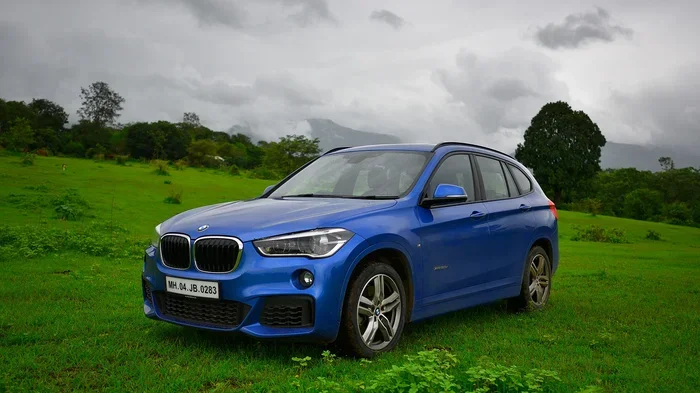
Visual guide about 2018 BMW X1 exterior
Image source: stat.overdrive.in
The B48 Engine: A Modern Workhorse
This engine is a star. It replaced the older N20 and fixed the notorious timing chain guide issues that plagued earlier models. The B48 uses a closed-deck block design and a more robust timing chain setup. It is smooth, quiet, and responsive. Paired with the 8-speed Aisin automatic transmission (not a dual-clutch, thankfully), shifts are nearly invisible in comfort mode and snappy in Sport.
Quick Tip: The 8-speed is a “filled-for-life” unit according to BMW, but smart owners change the fluid and filter every 60,000 miles. It costs $300–$500 at an indie shop and saves thousands in transmission rebuilds later.
sDrive vs. xDrive: Which Do You Need?
If you live where it snows, buy the xDrive. The front-wheel-drive sDrive with all-season tires is hopeless in real winter weather. The xDrive system is rear-biased (40/60 split normally) and can send 100% of torque to either axle. It transforms the car into a legitimate all-weather machine. In the dry, the sDrive is lighter, slightly more efficient, and cheaper to maintain (fewer driveline parts). But the resale value on xDrive models is significantly stronger.
Ride Quality and Handling
This is where the X1 shines. The steering is weighted perfectly—heavy enough to feel connected, light enough for parking lots. Body control is excellent. It feels like a raised 3 Series wagon, which is basically what it is. The downside? The run-flat tires. They have stiff sidewalls to support the car when flat. That stiffness transmits every expansion joint and pothole directly to your spine. Many owners swap to non-run-flats immediately and carry a tire repair kit or spare tire kit.
Interior, Comfort, and Technology
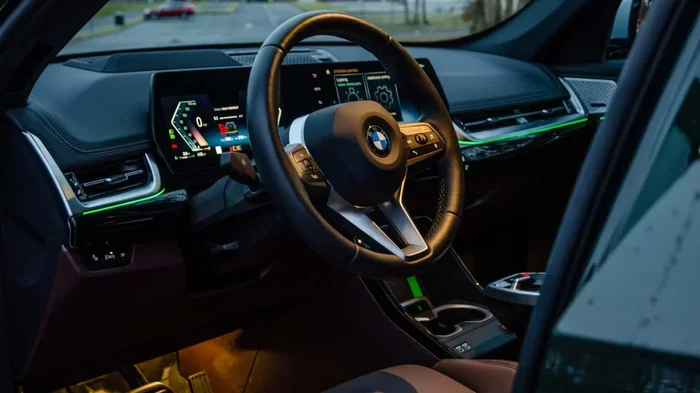
Step inside, and you forget this is the “cheap” BMW. The dashboard layout is driver-centric. Materials are mostly soft-touch plastics and leatherette (Sensatec) on base models, with real leather (Dakota) on higher trims. The fit and finish are tight. No squeaks or rattles on fresh examples, though age may bring some dash creaks on rough roads.
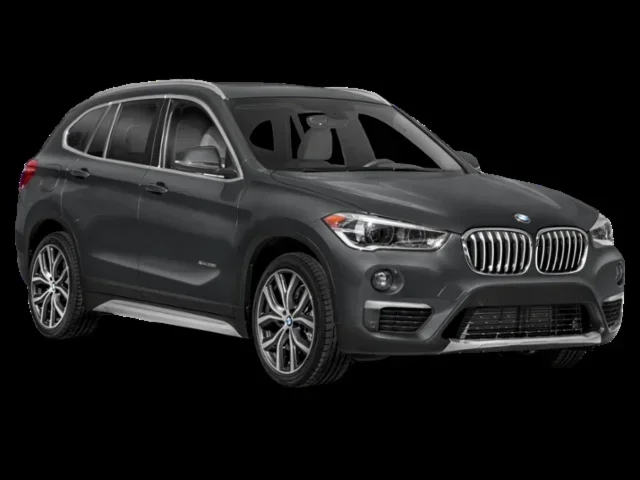
Visual guide about 2018 BMW X1 exterior
Image source: cdn.jdpower.com
Space and Practicality
The switch to front-wheel-drive architecture killed the center tunnel hump. Rear passengers get actual foot room. Three adults can fit across the back for short trips. Cargo space is 27.1 cubic feet behind the rear seats and 58.7 cubic feet with them folded. The rear seats fold 40/20/40 via releases in the trunk—a brilliant touch for long items like skis or lumber while still seating two passengers.
Infotainment: iDrive 6.0
The 2018 model runs iDrive 6.0 on a 6.5-inch screen (8.8-inch with Navigation package). It uses a rotary controller on the center console. It has a learning curve, but once mastered, it is safer and faster than touchscreens while driving. Apple CarPlay is standard (wireless on cars built after mid-2018). Android Auto was notably absent until later model years—a frustration for Android users.
Common Tech Annoyances
- Bluetooth pairing drops occasionally; requires phone deletion/re-pairing.
- Navigation map updates are pricey via BMW (use USB map hacks or phone mirroring).
- Backup camera lines can glitch; often a software flash fixes it.
Reliability and Common Problems: The Honest Truth
Let’s not sugarcoat it. The 2018 BMW X1 reliability rating sits at about 2.5 to 3 out of 5 on major consumer sites. That is “average.” For a BMW, that is actually a compliment. The F48 chassis is much more sorted than the first-gen (E84) X1, which had transfer case failures and turbo issues galore.
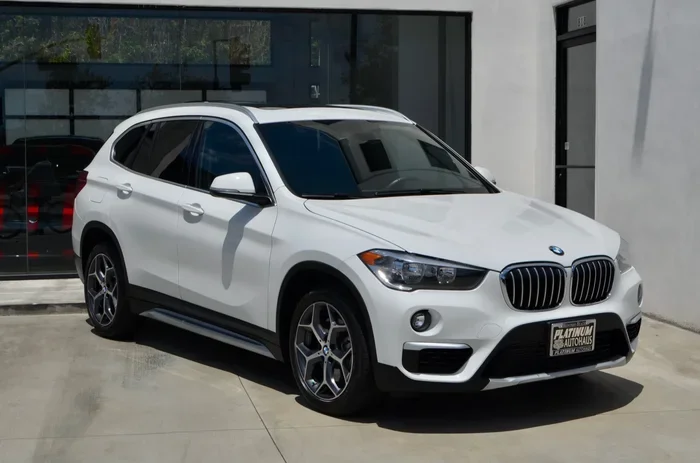
Visual guide about 2018 BMW X1 exterior
Image source: platinumautohaus.com
Top 5 Reported Issues
- Coolant Leaks (Thermostat Housing/Water Pump): The electronic thermostat housing is plastic and becomes brittle with heat cycles. It cracks and leaks. The electric water pump can also fail around 60k–80k miles. Watch for “Engine Coolant Low” warnings or sweet smell after parking.
- Electrical Gremlins: Window regulators, door lock actuators, and the FRM (Footwell Module) controlling lights can fail. Battery registration is critical—never jump-start a dead battery without a proper charger; it fries modules.
- Oil Filter Housing Gasket Leak: Classic BMW inline-six issue, but the B48 four-cylinder does it too. Oil drips onto the drive belt, shredding it. If you see oil on the belt, fix the gasket immediately.
- Run-Flat Tire Damage: Potholes destroy run-flats. They cannot be patched usually. Budget $350–$500 per corner for replacements (Bridgestone, Michelin, Pirelli).
- Timing Chain Rattle (Cold Start): Rare on B48, but some early 2018 builds had a revised tensioner. A loud rattle for 2–3 seconds on cold start warrants a dealer visit under potential goodwill or extended warranty.
Expert Insight: The “Plastic Problem”
BMW uses a lot of plastic in the cooling system to save weight and cost. It works fine for 7–8 years, then gets brittle. If you buy a used 2018 X1 with 60k+ miles and no cooling system history, budget $800–$1,200 to refresh the thermostat, water pump, and expansion tank proactively. It is cheap insurance against a blown head gasket from overheating.
Ownership Costs: Maintenance, Repairs, and Fuel
This is the section where most buyers get surprised. The purchase price is the cheap part. The 2018 BMW X1 maintenance cost over 5 years (60k–100k miles) will likely run $4,000–$6,000 at an independent specialist. At a dealer? Double it.
Scheduled Maintenance Breakdown
| Service Item | Interval | Est. Cost (Indie Shop) |
|---|---|---|
| Synthetic Oil Change (LL-01 FE 0W-20) | Every 7,500–10,000 mi | $120–$180 |
| Brake Fluid Flush | Every 2 Years | $150–$200 |
| Cabin/Engine Air Filters | Every 2 Years / 30k mi | $100–$150 |
| Coolant Flush | Every 4 Years / 60k mi | $250–$350 |
| Transmission Fluid & Filter | Every 60k mi (Recommended) | $350–$500 |
| Spark Plugs | Every 60k mi | $300–$450 |
| Brake Pads & Rotors (Front/Rear) | ~40k–60k mi | $600–$1,000 per axle |
| Run-Flat Tires (Set of 4) | ~25k–35k mi | $1,400–$2,000 |
Fuel Economy: EPA rates the sDrive28i at 24 City / 33 Highway / 27 Combined. The xDrive28i drops to 23/31/26. Real world? Expect 24–26 MPG mixed. It requires Premium 91+ Octane. Factor that into your monthly budget.
Common Mistakes to Avoid
- Skipping the Pre-Purchase Inspection (PPI): Spend $200 at a BMW indie shop. They will find leaks, tire life, brake life, and module faults the seller “forgot” to mention.
- Ignoring Battery Health: These cars hate weak batteries. If the battery is over 5 years old, replace it immediately with an AGM unit and register it to the car’s computer.
- Buying Cheap Tires: Do not put budget tires on an X1. The suspension tuning relies on specific sidewall stiffness. Stick to Michelin Pilot Sport A/S 4, Continental DWS06+, or Bridgestone Turanza QuietTrack (non-run-flat versions).
- Using Quick-Lube Places: They strip drain plugs, overfill oil, and use wrong filters. Find a BMW specialist or do it yourself.
Buying Advice: CPO vs. Private Party vs. Dealer
How you buy matters as much as what you buy. A 2018 BMW X1 Certified Pre-Owned (CPO) car is the gold standard. The CPO warranty extends the original 4yr/50mi warranty by 1 year/unlimited miles from the CPO purchase date. That covers the scary expensive stuff: turbo, transmission, electronics, engine internals.
What Does BMW Certified Mean?
To qualify, the car must pass a rigorous 150+ point inspection, have a clean title, and be under a certain mileage (usually 60k). It includes 24/7 roadside assistance and trip interruption coverage. Understanding what BMW Certified means can save you thousands in unexpected repair bills during that critical first year of ownership.
CPO Warranty Coverage Details
The CPO warranty is exclusionary—meaning it covers everything except a short list of wear items (tires, brakes, wipers, clutch). It has a $50 deductible per visit (waived if repaired at the selling dealer). This is vastly superior to aftermarket “extended warranties” which are often riddled with loopholes. The BMW CPO warranty essential coverage is one of the strongest in the luxury segment and a major reason to buy from a franchised dealer.
Private Party Buying Checklist
If buying private party to save $3k–$5k, you must verify:
- Complete service records (oil every 7.5k, not 15k).
- Cooling system history (thermostat/water pump done?).
- Transmission fluid changed at 60k?
- All 4 tires matching brand/model with >4/32″ tread.
- No open recalls (check NHTSA.gov with VIN).
- Two working key fobs (replacement + programming = $400+).
Trim Levels: xLine vs. M Sport
- Base / xLine: 18-inch wheels, roof rails, nicer interior trim. Best ride comfort.
- M Sport: 19-inch wheels, sport seats (thigh support extension), M steering wheel, shadowline trim, stiffer suspension. Looks best, rides harshest. Check for curb rash on those 19s.
Both get the same engine. The Premium Package (heated seats, power tailgate, lumbar support, satellite radio) and Driving Assistance Package (blind spot, lane departure, front collision warning) are highly desirable for resale and daily sanity.
How It Compares: 2018 X1 vs. The Competition
The segment is brutal. Here is how the X1 stacks up against its direct rivals.
| Model | Engine HP | 0-60 MPH | Cargo Space (Seats Up) | Reliability Rep | Typical Used Price (2024) |
|---|---|---|---|---|---|
| 2018 BMW X1 xDrive28i | 228 | 6.3 sec | 27.1 cu ft | Average | $18k–$24k |
| 2018 Audi Q3 2.0T Quattro | 200 | 7.1 sec | 16.7 cu ft | Above Average | $17k–$22k |
| 2018 Mercedes GLA 250 4MATIC | 208 | 6.8 sec | 17.2 cu ft | Below Average | $17k–$23k |
| 2018 Volvo XC40 T5 AWD | 248 | 6.2 sec | 20.7 cu ft | Average | $20k–$26k |
| 2018 Lexus UX 200/250h | 169 / 181 | 8.6 / 7.7 sec | 17.1 cu ft | Excellent | $22k–$28k |
The Verdict on Rivals
- vs Audi Q3: Q3 is older tech (dated interior, slower), but cheaper to maintain. X1 is better to drive and roomier.
- vs Mercedes GLA: GLA feels like a tall hatchback. Cramped rear seat. X1 is more SUV-like.
- vs Volvo XC40: XC40 has better safety tech standard, cooler interior design. X1 drives better and has better dealer network in most US areas.
- vs Lexus UX: UX wins on reliability and hybrid MPG. Loses on power, cargo space, and driving fun. Different buyer entirely.
If you want the most reliable BMW models for longevity, the X1 is decent, but the older 3 Series (F30) or 5 Series (G30) with the B58 inline-six often prove more durable long-term. However, for the subcompact SUV class specifically, the X1 is a reliability leader among Germans. See how the X1 ranks against other BMWs for long-term durability.
Real Owner Experiences: What Forums Say
I scoured BimmerPost, X1 forums, and Reddit (r/BMW, r/MechanicAdvice). The patterns are consistent.
The Happy Owners Say:
- “Best car I’ve owned. 85k miles, only did brakes, tires, oil, and a thermostat at 72k.”
- “xDrive in Colorado winters is unstoppable with Blizzaks. 28 MPG average.”
- “Dealer service is pricey, found an indie shop charging $130/hr vs $210. Game changer.”
The Frustrated Owners Say:
- “Third set of run-flats at 45k miles. Swapped to non-run-flats, ride improved 80%.”
- “iDrive screen went black. Dealer wanted $1,200 for head unit. Indie fixed a loose connector for $150.”
- “Coolant leak at 52k miles. Plastic thermostat housing cracked. $900 repair.”
Quick Tips from the Trenches
- Buy a BMW scan tool (Carly, BimmerLink, or ANCEL BD700). Read your own codes, register batteries, reset service lights. Pays for itself in one visit.
- Join BMW CCA (Car Club of America). $48/year gets you a 15% parts discount at many dealers and access to track events.
- Use LL-01 FE 0W-20 oil ONLY. Do not let a shop put in 5W-30 or generic synthetic. The B48 valvetrain needs the specific viscosity.
- Check the brake pad sensor wires. They rub through on the front calipers, triggering false “Service Vehicle” warnings. Zip-tie them away from moving parts.
Maintenance Deep Dive: Protecting Your Investment
If you decide to buy, your first 30 days should include a “baseline” service if records are missing. This sets the clock to zero.
The Baseline Service Checklist
- Oil & Filter: OEM Mann or Mahle filter, BMW LL-01 FE 0W-20 (7 quarts).
- Brake Fluid: DOT 4 LV (Low Viscosity). Critical for ABS/DSC pump health.
- Coolant Check: Verify concentration (50/50) and level. Pressure test the system cold and hot.
- Transmission Fluid: If over 60k miles and no record, do a drain/fill/filter (ZF 8HP45 fluid).
- Differential Fluid (xDrive): Rear diff fluid (SAF-XJ + FM booster) every 60k. Front diff is sealed but check for seepage.
- Transfer Case Fluid (xDrive): Same interval as rear diff. Use BMW VTG oil.
- Spark Plugs: NGK 97506 (Silcer) or Bosch equivalent. Gap is preset, do not adjust.
- Air Filters: Engine and cabin (carbon activated for allergies).
- Tires: Check date codes (DOT). Replace if >6 years old regardless of tread. Understanding BMW run-flat tires design benefits and care helps you decide whether to stick with them or switch.
- Battery Test: Load test and check State of Charge (SOC). Register new battery via BimmerLink or ISTA.
DIY Difficulty Ratings (1-5 Wrenches)
- Oil Change: 1/5 (Easy, top filter access)
- Cabin/Engine Air Filters: 1/5 (Tool-less clips)
- Brake Pads/Rotors: 2/5 (Need electronic parking brake service mode via scanner)
- Battery Swap: 2/5 (Heavy, requires registration)
- Coolant Thermostat: 3/5 (Tight access, coolant mess)
- Water Pump: 3/5 (Electric, front of engine)
- Valve Cover Gasket: 2/5 (Coil packs out, 10mm bolts)
- Oil Filter Housing Gasket: 3/5 (Intake manifold removal needed)
Final Thoughts: Should You Buy a 2018 BMW X1?
If you have read this far, you are serious. Here is my bottom line. The 2018 BMW X1 is a good car—a very good car—if you accept the social contract of German luxury ownership. You pay more upfront (vs mainstream), you pay more to maintain it, but you get a vehicle that punches above its weight class in driving joy, interior ambiance, and versatility.
Buy the xDrive M Sport with Premium and Driving Assistance packages if you can find one with 40k–60k miles, CPO warranty, and service records. Budget $2,000 for immediate baseline maintenance and tires if needed. Drive it for 4–5 years. You will likely sell it for close to what you paid minus maintenance. That is a win in today’s market.
Avoid the high-mileage (90k+) sDrive base models with no records and original run-flats. Those are the ones that end up on “mechanic special” Facebook Marketplace listings. Be smart, be patient, and enjoy the Ultimate Driving Machine in a practical package.
Frequently Asked Questions
Is the 2018 BMW X1 reliable long term?
The 2018 BMW X1 has average long-term reliability. The B48 engine and 8-speed transmission are robust if maintained properly, but cooling system components and electronics tend to fail between 60k–100k miles. Strict adherence to shortened fluid intervals (oil every 7.5k, transmission every 60k) significantly improves longevity.
What are the most common problems with the 2018 BMW X1?
The most common problems include coolant leaks from the plastic thermostat housing, electric water pump failure, oil filter housing gasket leaks, run-flat tire damage from potholes, and occasional electrical module glitches (FRM, window regulators). Software updates fix many infotainment bugs.
Does the 2018 BMW X1 require premium gas?
Yes, the 2018 BMW X1 requires premium unleaded gasoline (91 octane minimum, 93 recommended). The turbocharged B48 engine uses high compression and boost; lower octane causes knock retard, reducing power, fuel economy, and potentially damaging pistons over time.
Is the 2018 BMW X1 good in snow?
The xDrive all-wheel-drive model is excellent in snow when equipped with dedicated winter tires. The sDrive front-wheel-drive model struggles significantly in deep snow or ice due to open differential and weight distribution. Winter tires are mandatory for either model in northern climates.
How much does it cost to maintain a 2018 BMW X1 annually?
Expect to spend $1,000–$1,500 per year on average for maintenance and repairs at an independent BMW specialist. Dealer costs run 50–100% higher. Major intervals at 60k miles (spark plugs, transmission fluid, coolant, brakes) can spike a single year to $2,500+.
Should I buy a 2018 BMW X1 with over 80,000 miles?
Only if it has complete service records showing cooling system refresh (thermostat, water pump), transmission fluid change, and brake work. Without records, assume nothing has been done and negotiate $2,000–$3,000 off to cover immediate baseline maintenance. A CPO example with 80k miles is safer than a private party car with 50k miles and no history.