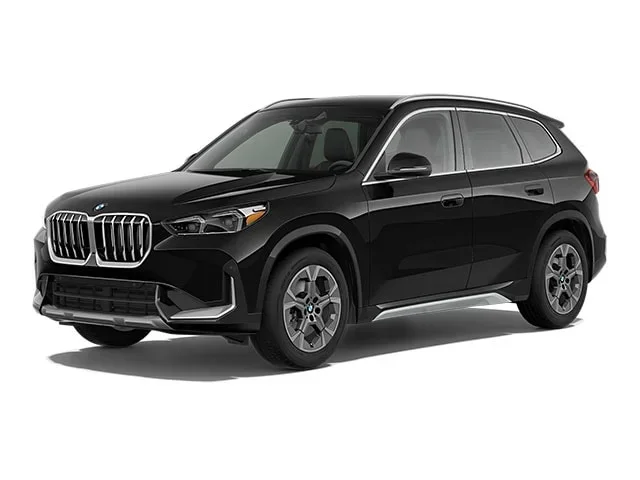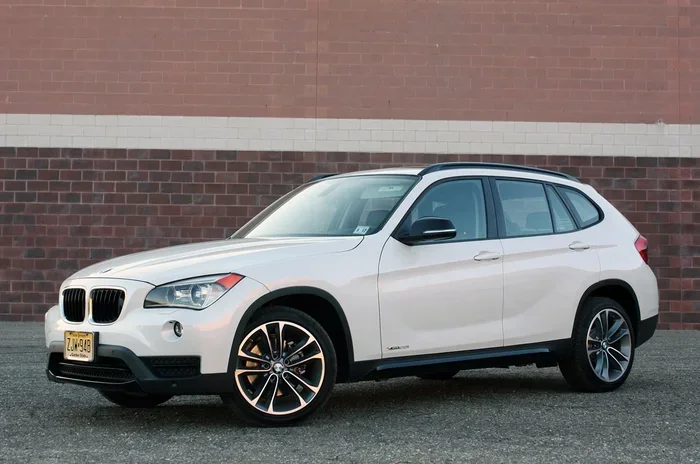
Featured image for 2013 BMW X1 E84 exterior
Image source: s1.cdn.autoevolution.com
The 2013 BMW X1 was assembled at BMW’s Regensburg plant in Germany and at the Spartanburg facility in South Carolina. Knowing the build location helps you verify authenticity, assess quality, and estimate resale value.
If you have ever wondered where is the 2013 bmw x1 made, the answer lies in two major factories: the Regensburg plant in Germany and the Spartanburg plant in the United States. Both sites produced the E84 chassis for the 2013 model year, but the exact plant depends on the market and trim. This guide explains how to decode your VIN, read the build sheet, and understand why the factory matters for quality and resale. You will also learn practical tips for buyers and owners who want to confirm their vehicle’s origin.
Key Takeaways
- Two main factories: The 2013 X1 rolled out of Regensburg, Germany and Spartanburg, USA.
- VIN tells the story: The 11th character of the VIN reveals the assembly plant.
- Build sheet details: A dealer‑issued build sheet lists exact plant, date, and options.
- Quality is comparable: Both plants follow BMW’s global quality standards.
- Resale impact is minor: Origin rarely changes market price, but some buyers prefer German‑built units.
- Check for imports: Vehicles sold in Europe are almost always German‑built; U.S. models may be from either plant.
- Use online decoders: Free VIN tools give instant plant confirmation.
📑 Table of Contents
Introduction
The 2013 BMW X1 sits at the entry point of BMW’s compact SUV lineup. It blends sporty handling with everyday practicality. Many owners and shoppers ask about its birthplace because the factory can influence perception of build quality. In this article we break down the production map, show you how to read the clues on your own car, and explain what the numbers really mean for you.
BMW runs a global production network that follows strict standards. Whether a car leaves a German hall or an American line, the engineering specs stay the same. Still, small differences in supply chains or labor practices can show up in fit‑and‑finish details. We will explore those nuances without getting lost in jargon.
Where Is the 2013 BMW X1 Made? Primary Production Plants
Regensburg Plant – Germany
The Regensburg facility has built BMWs since the 1960s. For the 2013 X1 it handled most European‑spec units and many right‑hand‑drive models. The plant is known for high automation and a skilled workforce that has assembled everything from the 3 Series to the Z4. If your X1 was first registered in Germany, the UK, or other European markets, it almost certainly rolled out of Regensburg.
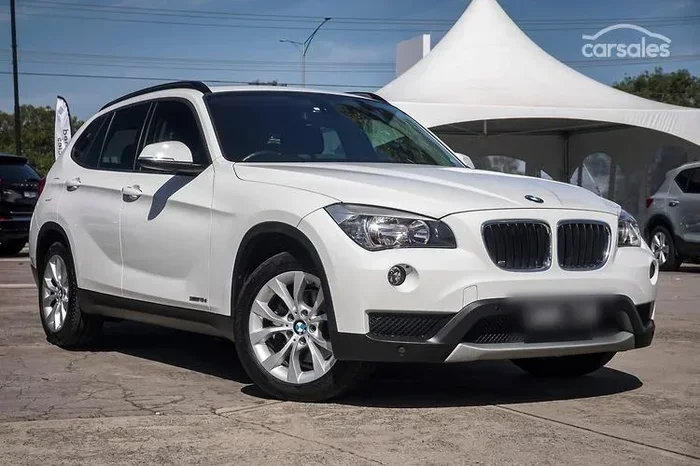
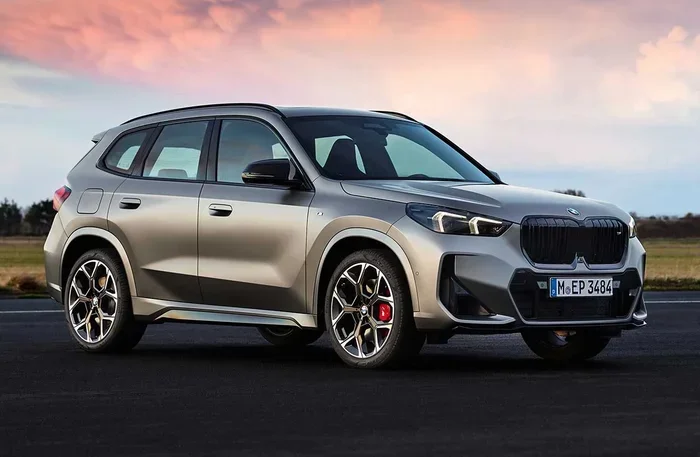
Visual guide about 2013 BMW X1 E84 exterior
Image source: carsales.pxcrush.net
Spartanburg Plant – South Carolina, USA
BMW’s Spartanburg campus is the company’s largest single factory worldwide. It opened in 1994 and now produces the X3, X4, X5, X6, and X7. The 2013 X1 was added to the line to serve North American demand. Cars built here carry a “U” in the 11th VIN position. Spartanburg also exports to several global markets, so you may find a US‑built X1 in Canada, Mexico, or even the Middle East.
Leipzig Plant – Germany (Limited Role)
Leipzig primarily builds the 1 Series, 2 Series, and i3. It did not assemble the 2013 X1 in any significant volume. A handful of pre‑production prototypes may have passed through, but they never reached customers. You can safely ignore Leipzig when researching your X1’s origin.
How to Identify Where Your Specific X1 Was Built
Decode the VIN
Every BMW carries a 17‑character Vehicle Identification Number. The 11th character is the plant code. For the 2013 X1 the codes are:
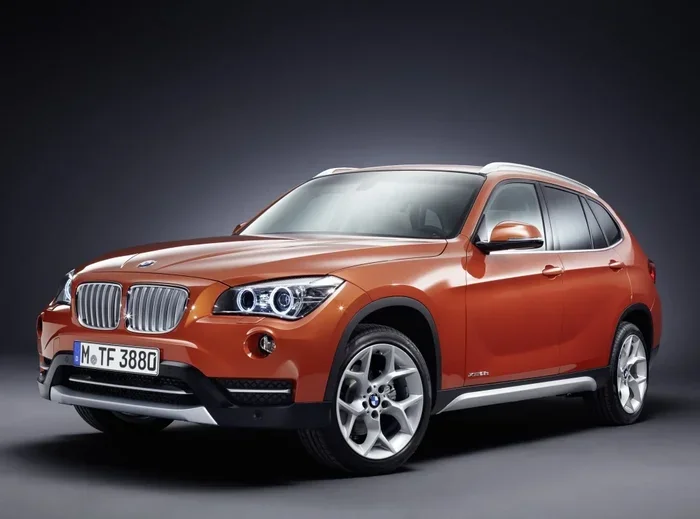
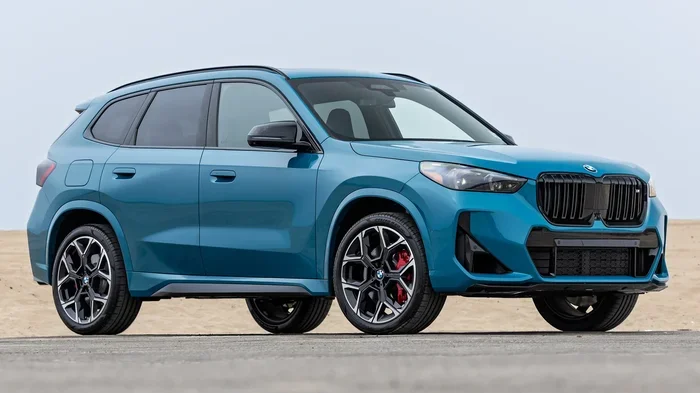
Visual guide about 2013 BMW X1 E84 exterior
Image source: s1.cdn.autoevolution.com
- W – Regensburg, Germany
- U – Spartanburg, USA
Locate the VIN on the driver’s side dashboard, the door jamb sticker, or your registration paperwork. Write down the 11th character and match it to the list above. This is the fastest, most reliable method.
Read the Build Sheet
A build sheet (also called a “production data sheet”) lists every option, paint code, and the exact assembly plant. You can request it from a BMW dealer or use an online service that pulls the data from BMW’s archives. The sheet will show “Plant: Regensburg” or “Plant: Spartanburg” in plain language.
Check the Monroney Label
On new‑car window stickers (Monroney labels) the “Final Assembly Point” line states the factory. If you bought the car new, the original label may still be in the glove box. For used cars, ask the seller for a copy or look at the dealer’s paperwork.
Common Mistakes
- Assuming the badge on the tailgate tells the plant – it does not.
- Confusing the engine code with the plant code – they are different positions in the VIN.
- Trusting a seller’s verbal claim without verifying the VIN.
Differences Between German‑Built and US‑Built Models
Fit and Finish
Both plants follow the same BMW quality manual. Independent tests show virtually identical panel gaps, paint thickness, and interior trim alignment. Any perceived difference usually comes from individual unit variance, not the factory.
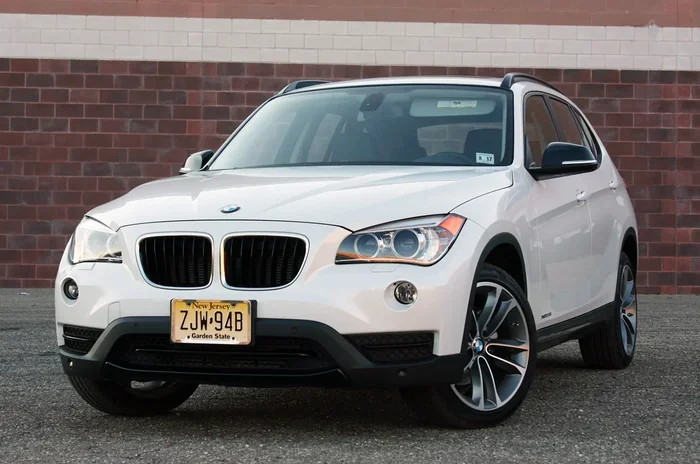
Visual guide about 2013 BMW X1 E84 exterior
Image source: s1.cdn.autoevolution.com
Equipment and Options
Some market‑specific options are only installed at one plant. For example, European models often get the “M Sport” suspension tune as standard, while US models may receive the “Sport Line” package. The plant itself does not limit options; the market order does.
Warranty and Service
BMW’s global warranty covers every X1 regardless of build location. Service bulletins apply worldwide. If you import a German‑built X1 to the US, you still receive the same factory warranty as a Spartanburg unit.
Expert Insight
According to BMW production engineers, the only measurable variation is the paint curing oven temperature profile, which is calibrated per plant. The result is a finish that meets the same spec. So, for the average owner, the plant origin is a curiosity, not a quality indicator.
Impact of Production Location on Quality and Value
Resale Market Perception
In most markets, resale values for the 2013 X1 are driven by mileage, condition, service history, and trim level. Plant origin rarely moves the needle. However, a small segment of enthusiasts prefers German‑built cars, believing they hold a “home‑market” pedigree. This preference can add a few hundred dollars in niche sales.
Certified Pre‑Owned (CPO) Considerations
When a dealer certifies an X1, they run a 150‑point inspection that ignores the assembly plant. The CPO warranty is identical for both origins. If you want extra peace of mind, focus on the inspection report rather than the factory. For more on CPO benefits, see What Does BMW Certified Mean Proven Value.
Reliability Track Record
Long‑term reliability data from owner surveys shows no statistically significant difference between the two plants. Both groups report similar rates of common issues such as water pump leaks or timing chain tensioner noise. For a deeper dive into model reliability, check Identifying the Most Reliable BMW Models for Longevity.
Tips for Buyers and Owners
Quick Tips
- Always verify the 11th VIN character before purchase.
- Request the build sheet from the selling dealer – it’s free for current owners.
- If you plan to export the car, confirm that the destination country accepts the plant’s emission certification.
- Keep a copy of the Monroney label for future reference.
Common Mistakes to Avoid
- Relying solely on the “Made in Germany” badge on the engine cover – that badge refers to engine assembly, not the vehicle.
- Assuming a US‑built X1 is lower quality because it’s not “German”.
- Skipping a pre‑purchase inspection because the plant seems reputable.
Expert Insights
BMW’s global production chief has stated that the company uses a “single quality system” across all sites. This means the same robots, same torque specs, and same final audit process. The only real difference is the logistics chain – parts may arrive from different regional suppliers, but they meet identical specifications.
Conclusion
Knowing where is the 2013 bmw x1 made gives you a clearer picture of your car’s story. The Regensburg and Spartanburg plants both deliver the same engineering excellence that defines the brand. By checking the VIN, reading the build sheet, and understanding the minor market‑specific variations, you can make confident buying or ownership decisions. Remember, the factory is just one piece of the puzzle – maintenance history and condition matter far more for long‑term satisfaction.
Frequently Asked Questions
What does the 11th character of the VIN indicate for a 2013 BMW X1?
The 11th character tells you the assembly plant: “W” means Regensburg, Germany; “U” means Spartanburg, USA.
Can a 2013 X1 built in Spartanburg be sold in Europe?
Yes, Spartanburg exports to many markets, so you may find a US‑built X1 registered in Europe, though most European cars come from Regensburg.
Does the build plant affect the factory warranty?
No. BMW’s new‑car warranty and CPO warranty are identical regardless of whether the car was assembled in Germany or the United States.
How can I get a build sheet for my 2013 X1?
Contact a BMW dealer with your VIN, or use an online BMW VIN decoder that provides the production data sheet.
Are there any mechanical differences between German‑built and US‑built 2013 X1 models?
Mechanically they are the same. Any differences are limited to market‑specific equipment packages, not the core drivetrain or chassis.
Will a German‑built 2013 X1 have a higher resale value?
Resale value is driven mainly by condition, mileage, and service records. Plant origin may add a small premium for a niche buyer, but it is not a major factor.