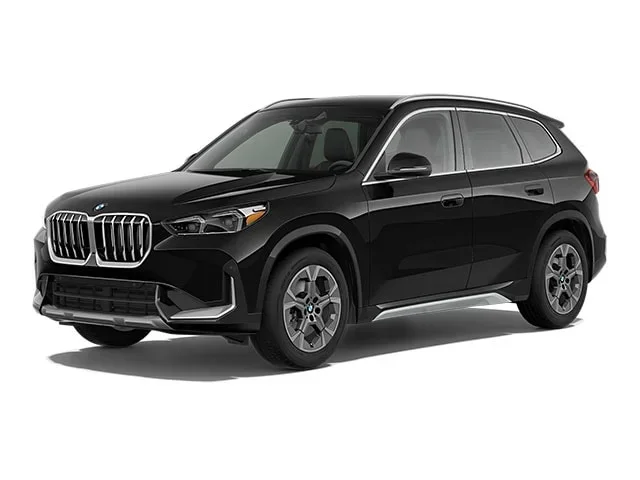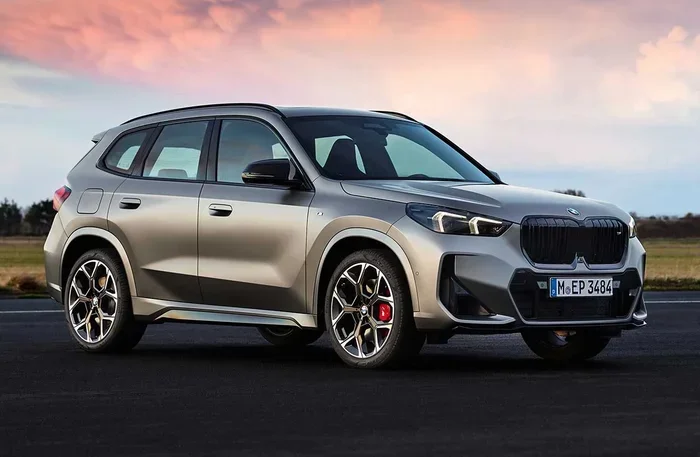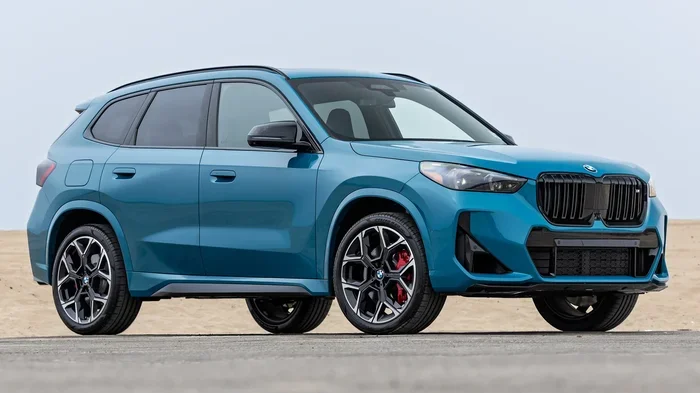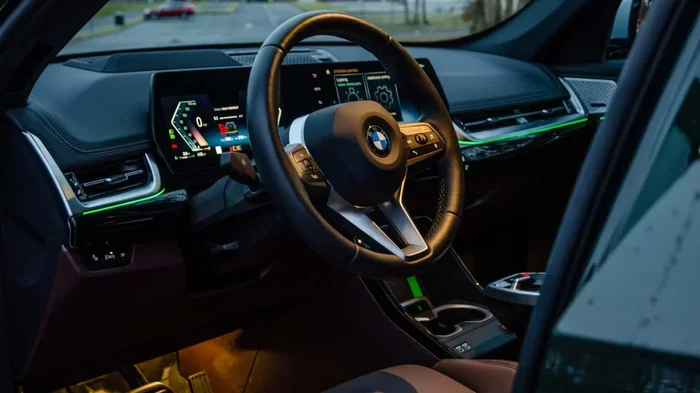
Featured image for 2020 BMW X1 SUV
Image source: suvdrive.com
The 2020 BMW X1 release date for the updated LCI model began in November 2019 after a June 2019 reveal. This guide covers the launch timeline, key facelift changes, engine specs, trim levels, and essential ownership advice for buyers today.
If you are shopping for a used luxury crossover, knowing the when is bmw x1 2020 release date is the first step to understanding the vehicle’s history. The 2020 model year brought a mid-cycle refresh, known in the BMW world as an LCI (Life Cycle Impulse). This update touched nearly every aspect of the compact SUV, from its face to its infotainment brain. Whether you are hunting for a certified pre-owned unit or comparing it against newer rivals, the timeline matters. It tells you exactly what technology and mechanical bits you are getting. Let’s break down the exact launch schedule, what changed, and what you need to know before signing the paperwork.
The compact luxury SUV segment is fiercely competitive. The X1 sits at the entry point of the BMW lineup, but it punches well above its weight class. The 2020 refresh was critical for keeping it fresh against the Audi Q3, Mercedes GLA, and Volvo XC40. BMW didn’t just change the headlights; they upgraded the interior materials, standardized the digital dashboard, and tweaked the suspension tuning. For a buyer today, the 2020 model represents the sweet spot of the first generation (F48 chassis). It has all the modern connectivity you want without the complexity of the newest iDrive 8 system found in the 2023+ redesign. We will walk through the reveal, the dealer arrival, the specs, and the real-world ownership experience.
Key Takeaways
- Market Launch: The 2020 BMW X1 (LCI facelift) officially arrived at US dealerships in November 2019.
- World Reveal: BMW unveiled the updated model in June 2019, showcasing new styling and tech.
- Engine Lineup: The US market received the xDrive28i and sDrive28i, both powered by the 2.0L B48 turbo-four.
- Key Updates: The facelift brought revised bumpers, standard LED headlights, a larger 8.8-inch touchscreen, and Apple CarPlay.
- Reliability: The 2020 model year is generally considered reliable, but watch for potential drivetrain alerts and coolant leaks.
- Value Proposition: As a used buy, the 2020 X1 offers modern tech and strong performance at a significant depreciation discount.
- Maintenance: Budget for specific BMW needs like run-flat tires, synthetic oil changes, and the correct blue coolant.
📑 Table of Contents
- The Official Reveal and Market Launch Timeline
- Understanding the 2020 Model Year vs. Calendar Year
- Key Updates on the 2020 BMW X1 Facelift (LCI)
- Trim Levels, Pricing, and Availability
- How the 2020 X1 Stacks Up Against Rivals
- Ownership Considerations: Maintenance and Common Issues
- Is the 2020 BMW X1 a Good Used Buy Today?
- Conclusion
The Official Reveal and Market Launch Timeline
Understanding the BMW X1 2020 release date requires separating the world premiere from the actual dealer availability. Automakers often reveal cars months before you can test drive one. For the 2020 X1, the timeline looked like this:
- June 2019: BMW officially pulled the covers off the facelifted X1. The reveal happened simultaneously in several global markets. This is when press photos, spec sheets, and official press releases hit the internet.
- July – October 2019: Pre-order banks opened in many regions. Production began at the Regensburg plant in Germany (and later at the Chennai plant for India, and Dadong for China). US-spec allocation started filtering to port installation centers.
- November 2019: This is the key date for US buyers. The first 2020 model year units physically arrived at BMW centers across the United States. This is when you could walk in, sit in one, and drive it home.
- Early 2020: Full inventory availability across all trim levels and color combinations was established.
Why does this gap exist? The June reveal builds hype. The November arrival aligns with the traditional “model year” changeover in the auto industry. If you bought an X1 in September 2019, you likely drove home a 2019 model. If you bought in December 2019, it was almost certainly a 2020. Always check the build date on the driver’s door jamb sticker to be 100% sure. The sticker lists the month and year of manufacture. A build date of 11/19 or later confirms a 2020 model year vehicle.
Understanding the 2020 Model Year vs. Calendar Year
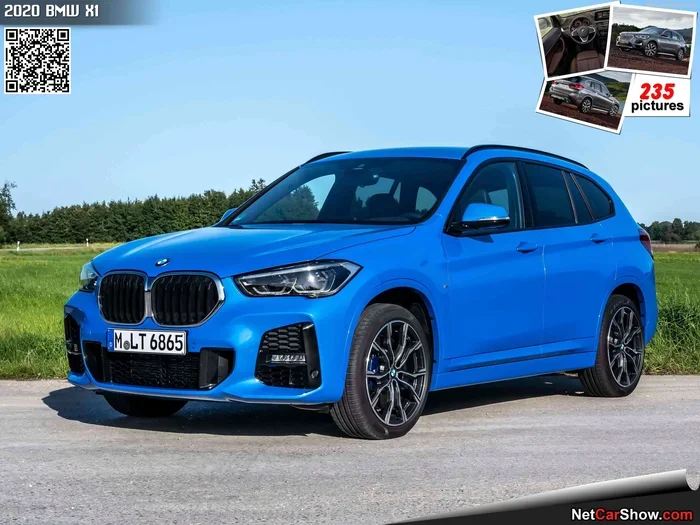
It confuses many buyers. A “2020” car usually launches in late 2019. This is standard industry practice. The model year designation (MY2020) is a regulatory and marketing label. It does not mean the car was built or sold in the calendar year 2020. In fact, by January 2020, the 2020 X1 was already a few months into its sales run.
Visual guide about 2020 BMW X1 SUV
Image source: netcarshow.com
This distinction matters for a few reasons. First, depreciation. A car built in November 2019 but sold in January 2020 is technically a year older on paper than a car built in March 2020. Second, features. Sometimes a mid-year running change happens. For the X1, the 2020 model year was consistent throughout its run (roughly Nov 2019 to July 2021). There were no major mid-year spec changes. Third, Certified Pre-Owned (CPO) eligibility. The CPO clock starts at the original in-service date (when the first owner bought it), not the build date. A car sitting on the lot until March 2020 gives you more warranty runway than one sold in December 2019.
Key Updates on the 2020 BMW X1 Facelift (LCI)
The 2020 X1 wasn’t a full redesign. The F48 chassis debuted for the 2016 model year. The 2020 LCI was a heavy refresh. BMW focused on the areas owners interact with most: the face, the screens, and the seats. Here is the detailed breakdown of what makes the 2020 different from the 2019.
Visual guide about 2020 BMW X1 SUV
Image source: platform.cstatic-images.com
Exterior Styling Tweaks
You need a sharp eye to spot the differences at a glance, but they add up to a sharper look.
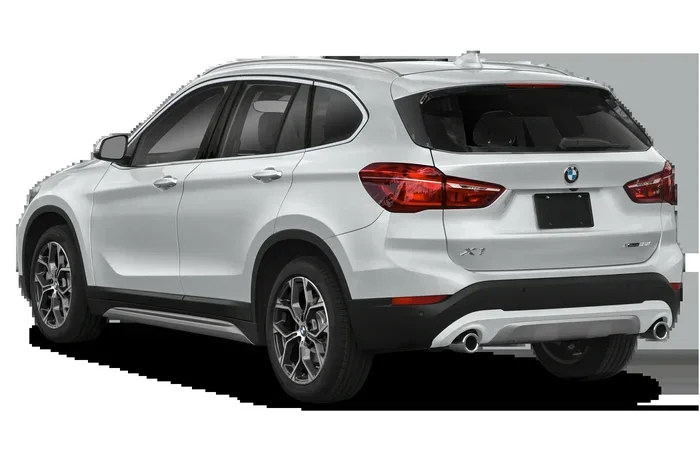
- Front Fascia: The kidney grille grew slightly wider. The inner slats changed from horizontal bars to a mesh design on M Sport models. The lower bumper intake is larger and more aggressive.
- Lighting: LED headlights became standard across the range. Previously, they were an option on the base trim. The LED signature light bars (daytime running lights) adopted a sharper “L” shape. Adaptive LED headlights with cornering function remained an option.
- Rear End: The taillights feature new internal 3D graphics. The license plate pocket moved from the trunk lid down into the bumper. This gives the rear a wider, lower visual stance.
- Wheels: New 18-inch and 19-inch alloy designs debuted. The M Sport package gets specific aerodynamic wheels.
- Colors: New metallic paints like Misano Blue and Sunset Orange joined the palette. They replaced a few older shades.
Interior and Tech Upgrades
This is where the 2020 X1 feels significantly newer than the 2019.
- Standard Touchscreen: The base 6.5-inch non-touch screen was ditched. Every 2020 X1 gets an 8.8-inch touchscreen as standard. It runs iDrive 7.0. This is a massive usability win.
- Digital Cluster: A 5.7-inch digital instrument cluster is standard. The fully digital 10.25-inch “Live Cockpit Professional” is optional (often bundled in the Premium Package). It looks fantastic and allows navigation maps behind the steering wheel.
- Apple CarPlay: Wireless Apple CarPlay became standard. Android Auto was still missing (it arrived later via software update on newer models, but not officially on this generation).
- Materials: “Sensatec” leatherette is standard. The dashboard top panel uses softer foam. The door cards get better soft-touch plastics. It feels less “economy car” inside.
- Center Console: The cupholder cover mechanism was redesigned. It slides back smoother. The wireless charging pad (optional) moved to a better spot ahead of the shifter.
Engine and Performance Specs
Mechanically, the 2020 X1 carried over the proven B48 2.0-liter TwinPower Turbo inline-four. This engine is a workhorse. It replaced the older N20 engine years prior and is known for reliability.
| Specification | sDrive28i (FWD) | xDrive28i (AWD) |
|---|---|---|
| Engine | 2.0L Turbo I4 (B48) | 2.0L Turbo I4 (B48) |
| Horsepower | 228 hp @ 5,000 rpm | 228 hp @ 5,000 rpm |
| Torque | 258 lb-ft @ 1,450 rpm | 258 lb-ft @ 1,450 rpm |
| Transmission | 8-Speed Steptronic Auto | 8-Speed Steptronic Auto |
| 0-60 mph | 6.3 seconds | 6.1 seconds |
| Drivetrain | Front-Wheel Drive | All-Wheel Drive (xDrive) |
Note: The sportier M35i variant (302 hp) was not sold in the US for the 2020 model year. It arrived later with the 2023 redesign (U11 chassis). The 8-speed automatic is a traditional torque-converter unit (Aisin sourced), not a dual-clutch. It shifts smoothly and handles the torque well. The xDrive system is front-biased but can send 100% of torque to the rear axle if needed. It is excellent for snow and rain, adding peace of mind without a huge fuel economy penalty (about 1-2 mpg combined).
Trim Levels, Pricing, and Availability
For the 2020 model year, BMW simplified the trim structure. There were essentially two main equipment lines, plus the M Sport visual package.
Visual guide about 2020 BMW X1 SUV
Image source: images.cars.com
Base / xLine / M Sport
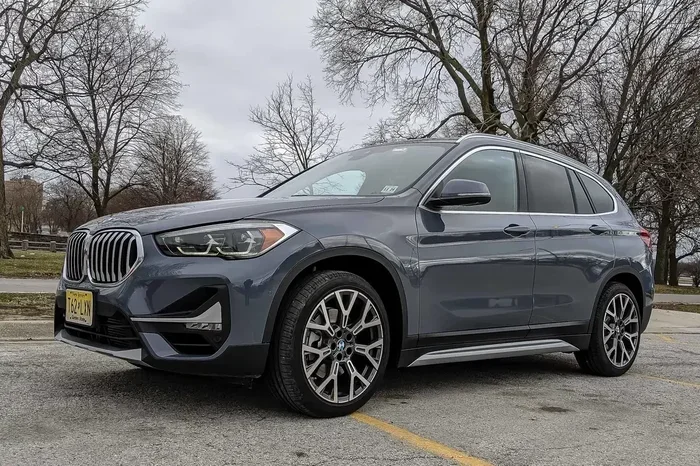
- Base (often called “Standard” or “No Line”): Included 18-inch wheels, LED lights, 8.8-inch screen, Sensatec, power tailgate, and 40/20/40 split folding rear seats. Starting MSRP ~$35,200 (sDrive) / $37,200 (xDrive).
- xLine: Added 18-inch xLine wheels, satin aluminum exterior trim, specific roof rails, xLine door sills, and Dakota leather upholstery (optional on base). Added ~$2,100.
- M Sport: The popular choice. Added 19-inch M wheels, M aerodynamic kit (bumpers/side skirts), M steering wheel, M sport seats with adjustable bolsters, Anthracite headliner, M door sills, and specific suspension tuning (lowered 10mm, stiffer). Added ~$3,500 over base.
Key Option Packages
BMW loves packages. On the used market, these define the car’s value.
- Premium Package: Heated front seats, heated steering wheel, 10.25″ digital cluster, Head-Up Display, power folding mirrors, auto-dimming mirrors, Comfort Access (keyless entry), and ambient lighting. Highly recommended.
- Technology Package: Navigation (redundant with CarPlay), Real Time Traffic Info, Enhanced Bluetooth/WiFi, Wireless Charging, and Parking Assistant Plus (surround view cameras, parking assistant).
- Driver Assistance Package: Active Cruise Control with Stop & Go, Lane Keeping Assistant, Steering & Lane Control Assistant, Traffic Jam Assist (hands-off at low speed), Cross-traffic alert rear. This makes the X1 a semi-autonomous highway cruiser.
- M Sport Brakes: Blue calipers, larger rotors. Good for heavy use, but standard brakes are adequate for daily driving.
When searching used listings, filter for “Premium Package” and “M Sport.” Those two combinations represent the highest resale value and best daily driving experience. A base model without Premium feels sparse for a luxury badge (no heated seats, no keyless entry).
How the 2020 X1 Stacks Up Against Rivals
The 2020 X1 entered a knife fight. Here is how it fared against its direct contemporaries (model years 2019-2021).
| Model | Starting Price (2020 MY) | Cargo Space (Seats Up) | 0-60 mph | Infotainment Highlight |
|---|---|---|---|---|
| BMW X1 xDrive28i | $37,200 | 27.1 cu ft | 6.1 sec | iDrive 7, Wireless CarPlay |
| Audi Q3 45 TFSI quattro | $35,695 | 23.7 cu ft | 7.0 sec | Virtual Cockpit, MMI Touch |
| Mercedes GLA 250 4MATIC | $36,230 | 24.9 cu ft | 7.1 sec | MBUX Voice Control |
| Volvo XC40 T5 AWD | $36,490 | 25.2 cu ft | 6.2 sec | Portrait Touchscreen, Safety |
The Verdict: The X1 won on driving dynamics, cargo space, and acceleration. The Audi Q3 had a nicer interior design. The Mercedes GLA had the best voice assistant (MBUX). The Volvo XC40 had the best standard safety suite. The X1 is the “driver’s choice.” It feels lighter on its feet. The steering is communicative. The chassis balance is rear-wheel-drive-like, even in xDrive form. If you prioritize the “Ultimate Driving Machine” slogan in this segment, the 2020 X1 is the answer.
Ownership Considerations: Maintenance and Common Issues
Buying a used 2020 X1 means inheriting its maintenance schedule. BMWs are not “set it and forget it” cars. They require specific fluids and intervals to stay healthy. The good news: the B48 engine and 8-speed transmission are robust. The bad news: the electronics and some plastic bits can be finicky.
Routine Maintenance Needs
- Oil Changes: Every 10,000 miles or 12 months (whichever comes first). Use only BMW LL-01 or LL-17FE+ approved 0W-20 or 0W-30 synthetic oil. The filter housing is plastic; use a quality socket to avoid cracking it.
- Brake Fluid: Every 2 years. Critical for ABS/DSC module longevity.
- Coolant: “Lifetime” fill per BMW, but enthusiasts change it at 60k-80k miles. You must use BMW Blue Coolant (G48 / HT-12) concentrated, mixed 50/50 with distilled water. Never use green or universal coolant. Using the correct coolant prevents aluminum corrosion and water pump failure.
- Transfer Case & Rear Diff Fluid (xDrive only): Every 60,000 miles. Use BMW specific fluid (TL 7080 / DTF-1). Neglecting this leads to binding and shudder.
- Spark Plugs: Every 60,000 miles. The B48 runs high boost; fresh plugs prevent misfires.
- Run-Flat Tires: The X1 typically comes with run-flats. They ride stiffer and cost more to replace. You cannot rotate them if staggered (M Sport often has wider rears). Many owners switch to non-run-flats and carry a mobility kit or spare. Understanding run-flat tire care helps you budget for replacements.
- Key Fob Battery: The comfort access fob uses a CR2032 or CR2450. Replace every 2-3 years. A dead fob can leave you locked out if the car battery is also low.
Known Issues to Watch For
No car is perfect. The 2020 X1 has a few recurring themes on forums and NHTSA data.
- Drivetrain Malfunction Warning: This scary yellow light (car on lift) often logs codes for the transmission mechatronics sleeve, output shaft speed sensor, or transfer case actuator (xDrive). Sometimes it’s a low battery voltage glitch. Don’t panic; read the codes first before assuming a $5k transmission bill.
- Coolant Leaks: The plastic thermostat housing and water pump outlet can warp and seep. Check the belly pan for dried blue crust.
- Oil Filter Housing Gasket (OFHG): The B48 moved the filter to a cartridge on top, but the housing gasket can still weep oil onto the exhaust manifold (burning smell).
- iDrive Glitches: Occasional screen freezes, Bluetooth dropouts, or CarPlay disconnects. Usually fixed by a software update at the dealer.
- Front Control Arm Bushings: The F48 chassis eats front lower control arm bushings. Clunking over bumps = worn bushings. Replace arms as units (lemförder or Febi).
Is the 2020 BMW X1 a Good Used Buy Today?
Short answer: Yes, absolutely. It hits the depreciation curve sweet spot. A 2020 X1 xDrive with 40k-50k miles typically lists in the high-$20s to low-$30s (depending on packages). That is 35-45% off original MSRP. You get a car that looks modern, has wireless CarPlay, standard LED lights, and a proven powertrain.
Buying Checklist
- Verify Build Date: Confirm Nov 2019 or later on door jamb.
- Check Service History: Look for oil changes at 10k intervals. Dealer records are gold. Independent BMW specialist records are silver. No records = negotiate hard.
- Scan for Codes: Use a BMW-specific scanner (BimmerCode, Carly, or ISTA) or pay a shop for a Pre-Purchase Inspection (PPI). Generic OBD2 scanners miss manufacturer codes.
- Test Drive Checks: Cold start rattle (timing chain – rare on B48 but possible), transmission harshness 1-2 shift, steering wander, brake vibration.
- Tire Match: All four tires must be same brand/model/tread depth (within 2/32″) on xDrive models to protect the transfer case.
- CPO vs Non-CPO: BMW CPO adds 1 year/unlimited miles after the 4yr/50k factory warranty expires. It covers most electronics and drivetrain. It adds ~$1,500-$2,500 to price. Worth it for peace of mind on the turbo engine and complex electronics.
Long Term Reliability Outlook
The B48 engine is a star. It uses a closed-deck block, forged crank, and timing chain (not belt). With oil changes, 200k+ miles is realistic. The ZF 8HP transmission is also legendary. The weak links are the ancillaries: water pump, thermostat, valve cover gasket, suspension bushings. These are wear items on any German car. Budget $1,500-$2,000 per year for maintenance/repairs on a 50k-mile example. That sounds high, but it’s cheaper than a new car payment.
If you plan to keep it long term, find a good independent BMW specialist. Dealer labor rates are $180-$220/hr. Indies charge $120-$150/hr and often use the same OEM parts. Join the BMW X1 (F48) forums and Facebook groups. The DIY community is incredibly active. Many jobs (brakes, battery registration, filters, even spark plugs) are very DIY-friendly on this platform.
Conclusion
The when is bmw x1 2020 release date question has a clear answer: the facelifted model hit US showrooms in November 2019 following a June 2019 world debut. That launch brought meaningful upgrades: standard touchscreen iDrive 7, wireless Apple CarPlay, standard LED lighting, and a refreshed look that still feels current years later. Mechanically, it relies on the bulletproof B48 engine and ZF 8-speed transmission. It remains the handling benchmark in the used compact luxury crossover class.
If you are cross-shopping, drive an Audi Q3 and Volvo XC40 back-to-back. You will feel the difference in steering weight and chassis composure. The X1 drives like a shrunken 3 Series. That is the BMW promise delivered. Just go in with eyes open on maintenance costs. Use the checklist above. Verify the coolant type. Check the tire tread match. Scan for hidden codes. If the history is clean and the PPI passes, the 2020 X1 is one of the smartest used luxury purchases on the market today. It gives you the badge, the tech, the space, and the drive for a fraction of the new price. Happy hunting.
Frequently Asked Questions
When exactly did the 2020 BMW X1 go on sale in the USA?
The 2020 BMW X1 officially arrived at US dealerships in November 2019. The world reveal took place earlier in June 2019, but customer deliveries started in late fall.
What is the difference between the 2019 and 2020 BMW X1?
The 2020 model received a mid-cycle refresh (LCI) featuring standard LED headlights, a larger 8.8-inch touchscreen with iDrive 7.0, wireless Apple CarPlay, revised front and rear bumpers, and updated interior materials.
Does the 2020 BMW X1 have Android Auto?
No, the 2020 BMW X1 launched with wireless Apple CarPlay as standard but did not support Android Auto. Android Auto was added to newer BMW models with iDrive 8, but not retroactively to the 2020 iDrive 7 system officially.
What engine is in the 2020 BMW X1?
All US-spec 2020 BMW X1 models (sDrive28i and xDrive28i) use the 2.0-liter TwinPower Turbo inline-4 cylinder engine (B48) producing 228 horsepower and 258 lb-ft of torque, paired with an 8-speed automatic transmission.
Is the 2020 BMW X1 reliable?
Yes, the 2020 X1 is considered highly reliable for a luxury vehicle. The B48 engine and ZF 8-speed transmission are proven durable. Common issues are minor electronics glitches and wear items like control arm bushings, not catastrophic engine failure. It ranks well among BMW models for long-term dependability.
What coolant does the 2020 BMW X1 take?
The 2020 BMW X1 requires BMW Blue Coolant (spec G48 or HT-12), mixed 50/50 with distilled water. Do not use green, orange, or universal coolants as they lack the specific additives needed for the aluminum engine components.