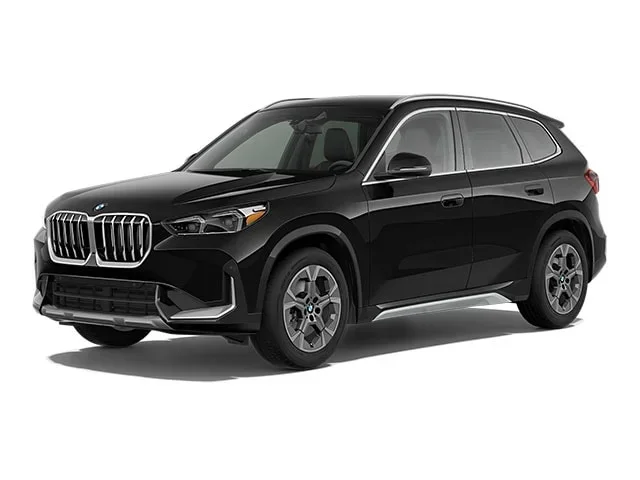
Featured image for 2015 BMW X1 exterior front quarter view
Image source: file.kelleybluebookimages.com
The 2015 BMW X1 offers sporty handling and luxury in a compact package, but buyers must watch for timing chain issues, coolant leaks, and transmission jerks. This guide covers everything you need to know to avoid costly surprises and find a reliable used model.
Buying a used luxury SUV can feel like walking a tightrope. You want the badge, the driving dynamics, and the premium interior, but you definitely do not want the repair bills that sometimes come with them. The 2015 BMW X1 sits in a sweet spot. It is the last year of the first generation (E84 chassis), meaning it has the classic BMW driving feel that enthusiasts love, but it also carries the specific quirks of that platform.
If you are researching what to know when buying used 2015 BMW X1 models, you are in the right place. This guide breaks down the engines, the common failure points, the maintenance costs, and the exact questions to ask a seller. We will help you separate a well-maintained gem from a money pit waiting to happen.
Key Takeaways
- Engine Choice Matters: The four-cylinder N20 (sDrive28i/xDrive28i) has timing chain risks, while the six-cylinder N55 (xDrive35i) is more robust but thirstier.
- Check the Timing Chain: On N20 engines, listen for cold-start rattles and verify the chain guide upgrade was performed.
- Watch for Coolant Leaks: The thermostat housing and water pump are common failure points on both engines around this mileage.
- Transmission Behavior: The 8-speed ZF automatic is generally solid, but software updates and fluid changes are critical for smooth shifts.
- Run-Flat Tires: Most models came with run-flats; budget for expensive replacements or consider switching to standard tires with a mobility kit.
- Suspension Wear: Control arm bushings and front struts often wear out by 80k-100k miles, affecting ride quality and alignment.
- Pre-Purchase Inspection is Non-Negotiable: Always get a BMW-specific PPI to uncover hidden electrical gremlins or deferred maintenance.
📑 Table of Contents
- Understanding the 2015 BMW X1 Lineup
- Deep Dive: The Two Engines (N20 vs N55)
- Transmission and Drivetrain Health
- Common Problem Areas: The “BMW Tax” Items
- The Run-Flat Tire Dilemma
- Interior, Tech, and Comfort Checks
- Pre-Purchase Inspection (PPI): Your Best Insurance
- Ownership Costs: The Real World Budget
- Negotiation Strategy: Turning Flaws into Discounts
- Is the 2015 BMW X1 Right for You?
- Final Verdict
Understanding the 2015 BMW X1 Lineup
The 2015 model year marks the end of the road for the boxy, wagon-like E84 generation. It is distinct from the newer, front-wheel-drive-based U11 models that followed. This generation was built on a rear-wheel-drive platform, giving it a driving character that feels more like a raised 3 Series than a typical crossover.
Trim Levels and Drivetrains
You will primarily encounter three badges on the trunk lid. Knowing the difference is step one.
- sDrive28i: Rear-wheel drive. Powered by the 2.0L Turbo 4-cylinder (N20 engine). Best fuel economy, lowest purchase price.
- xDrive28i: All-wheel drive. Same N20 engine. Adds weight and complexity but much better traction in snow.
- xDrive35i: All-wheel drive only. Powered by the 3.0L Turbo Inline-6 (N55 engine). Significantly faster, smoother, and generally more reliable mechanically, but uses premium fuel heavily.
Packages to Look For
Option packages drastically change the car’s value and daily usability. The Premium Package (heated seats, Comfort Access, satellite radio) and Technology Package (navigation, heads-up display, parking sensors) are highly desirable. The M Sport Package adds sport seats, steering wheel, suspension, and body kit—it rides stiffer but looks the part. Check the window sticker or VIN decode to confirm what is equipped.
Deep Dive: The Two Engines (N20 vs N55)
The engine under the hood defines the ownership experience. This is the single biggest factor in your buying decision.

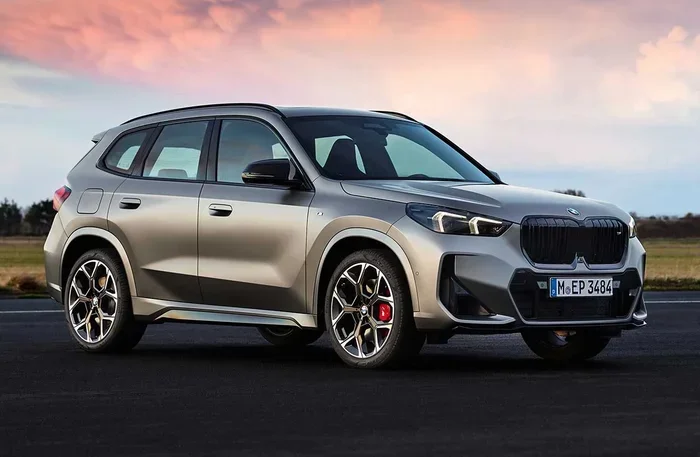
Visual guide about 2015 BMW X1 exterior front quarter view
Image source: d2ivfcfbdvj3sm.cloudfront.net
The N20 2.0L Turbo Four-Cylinder (28i Models)
This engine makes 240 hp and 260 lb-ft of torque. It is punchy and efficient, rated around 22/33 mpg. However, it has a well-documented Achilles’ heel: the timing chain system.
The Timing Chain Guide Issue
Early N20 engines (built before roughly January 2015) used a plastic timing chain guide that becomes brittle with heat cycles. It shatters, the chain skips, and the engine destroys itself. 2015 models are right on the cutoff. Many 2015s were built in late 2014.
Action Item: Get the build date from the driver’s door jamb sticker. If built before 01/2015, demand proof the updated metal-backed guides were installed. If no proof exists, budget $1,500-$2,500 for the preventive repair immediately. Listen for a “diesel-like” rattle on cold startup—that is the chain slapping the broken guide.
Valvetronic and VANOS Solenoids
The variable valve lift (Valvetronic) and variable cam timing (VANOS) rely on solenoids that can clog or fail. Symptoms include rough idle, loss of power, and a check engine light. They are relatively cheap ($150-$300 each) and easy to DIY, but annoying if ignored.
The N55 3.0L Turbo Inline-Six (xDrive35i)
This is the enthusiast choice. 300 hp and 300 lb-ft. It delivers linear power and that signature BMW inline-six sound. It avoids the timing chain guide grenade of the N20. The N55 is widely considered one of BMW’s most reliable modern turbo engines.
N55 Specific Watch Items
- Oil Filter Housing Gasket (OFHG): Leaks oil onto the serpentine belt. If the belt shreds, it can get sucked past the front crank seal and destroy the engine. Fix leaks immediately.
- Valve Cover Gasket: Leaks onto the exhaust manifold, causing burning smells and smoke.
- Charge Pipe: The plastic factory charge pipe can crack under boost. Upgrading to an aluminum one is cheap insurance.
- Water Pump & Thermostat: Electric water pumps fail without warning. Replace preventively every 60k-80k miles.
Transmission and Drivetrain Health
All 2015 X1 models use the ZF 8HP 8-speed automatic transmission. It is a world-class unit, but it is not “fill-for-life” no matter what the sticker says.

Visual guide about 2015 BMW X1 exterior front quarter view
Image source: parkers-images.bauersecure.com
Fluid Service History is Critical
ZF recommends fluid and filter changes every 60,000 miles (or roughly 6 years). If the seller claims “lifetime fluid,” walk away or negotiate hard. A fluid service costs $400-$600 at an indie shop; a new transmission is $6,000+.
Test drive specifically for:
- Harsh 2-1 downshifts when stopping.
- Flare or slip during 3-4 or 4-5 upshifts under light throttle.
- Delayed engagement when shifting Park to Drive/Reverse (cold).
xDrive Transfer Case and Differential
On AWD models, the transfer case fluid and rear differential fluid need changing every 60k miles. Neglected fluid leads to “binding” or groaning noises in tight turns (parking lots). The front differential is integrated into the transmission on the N20, but separate on the N55. Verify service records for all three fluids (Trans, Transfer Case, Rear Diff).
Common Problem Areas: The “BMW Tax” Items
Beyond the engine and transmission, the E84 chassis has predictable wear items. Budget for these if records are missing.

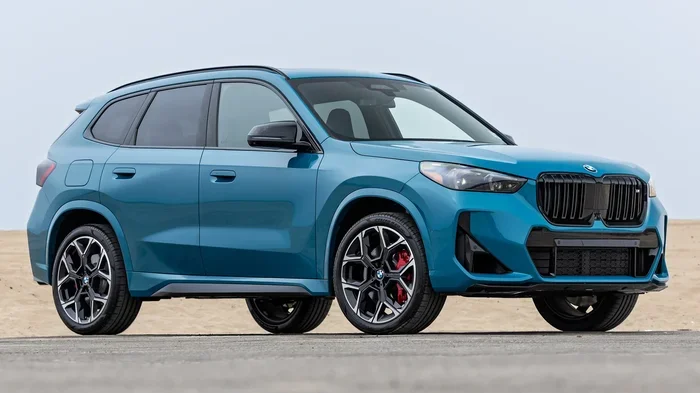
Visual guide about 2015 BMW X1 exterior front quarter view
Image source: imgcdn.zigwheels.my
Cooling System: The Plastic Problem
BMW cooling systems are maintenance items, not lifetime components. On a 10-year-old car, plastic becomes brittle.
- Thermostat Housing: Cracks and leaks. Often throws a “Map Cooling Circuit” code.
- Water Pump: Electric on both engines. Fails suddenly. Overheating warps the aluminum cylinder head instantly.
- Radiator & Hoses: Check for crusty white residue (dried coolant) at connections.
- Coolant Type: Must use BMW Blue (G48) or Green (HT-12) depending on build date. Never mix. Using the correct coolant prevents electrolysis and gasket failure.
Oil Leaks: The Usual Suspects
- Valve Cover Gasket: Top of engine. Smells like burning oil at stoplights.
- Oil Filter Housing Gasket (OFHG): Critical on N55 (see above). On N20, it leaks down the front of the engine.
- Oil Pan Gasket: Requires subframe drop on xDrive models. Expensive labor ($1k+). Check for seepage vs active drip.
Suspension and Steering
The X1 is heavy for its size. The front control arm bushings (thrust arms) tear, causing vague steering and brake shudder. The rear upper control arm bushings fail, eating rear tires (inner edge wear). Front struts leak around 80k-100k miles. M Sport suspension wears faster due to stiffer rates.
Grab the wheel at 9 and 3, shake violently. Any clunk = worn tie rods or control arms. Check tire wear patterns closely.
Electrical Gremlins
- FRM (Footwell Module): Controls lights, windows, wipers. Water intrusion from clogged sunroof drains kills it. Check for damp carpets or musty smell.
- iDrive Screen: CCC or CIC system. Pixels fade or screen delaminates. Expensive to replace.
- Battery Registration: New battery must be coded/registered to the car’s computer (IBS). If the seller just swapped a battery from AutoZone without coding, the charging profile is wrong, killing the new battery fast.
The Run-Flat Tire Dilemma
Almost every 2015 X1 left the factory on run-flat tires (RFT). They allow driving 50 miles at 50 mph after a puncture. The trade-off? Harsh ride, loud noise, expensive replacement ($300-$400+ per corner), and many shops refuse to patch them.
Buyer Strategy: Check the tire date codes (DOT). If they are original or >6 years old, they are hard as rocks. Negotiate $1,000+ off for a set of quality non-run-flats (Michelin CrossClimate 2, Continental DWS06 Plus) plus a spare tire kit or mobility compressor. The ride quality transformation is massive.
Interior, Tech, and Comfort Checks
Don’t let mechanical focus blind you to cabin issues.
iDrive Controller
The rotary knob develops “drift” or becomes sticky. It’s a known wear item. Replacement is ~$150 DIY.
Sunroof Drains
Open the sunroof. Pour water in the front corners. It should drain out behind the front wheels and front of rear wheels instantly. If it overflows into the cabin, the FRM module (under driver’s carpet) will fry. This is a $500-$1,000 repair if the module corrodes.
Seat Occupancy Sensor
Passenger airbag light on? The mat sensor in the seat cushion fails. It disables the passenger airbag. Recall campaigns exist for some years; check VIN on NHTSA.gov.
Rear Seat Space
Be honest: the rear seat is tight. Legroom is minimal for adults on long trips. The seat slides fore/aft, but it compromises either cargo space or knee room. Test fit your car seats or passengers before buying.
Pre-Purchase Inspection (PPI): Your Best Insurance
Never buy a used BMW without a PPI from an independent BMW specialist. Not the selling dealer. Not a general mechanic. A specialist has the factory scan tool (ISTA/D) to read shadow codes, adaptation values, and digital service records.
What a Proper PPI Covers ($150-$300)
- Compression/Leakdown Test: Especially vital on N20.
- Timing Chain Noise Check: Cold start listening + scope camera down oil cap if needed.
- Fluid Condition: Trans, Diff, Transfer Case, Brake, Coolant (pH test).
- Brake Pad/Rotor Life: BMW rotors wear with pads. Measure thickness.
- Suspension Play: On a lift, not just a visual check.
- Battery Health & Registration Status: ISTA shows charge cycles and registration date.
- Rust Inspection: Rear subframe mounts, brake lines, fuel lines. Northern cars need scrutiny.
- VIN Report Cross-Check: Carfax/AutoCheck for accidents, title brands, service gaps.
Questions to Ask the Seller
- “Do you have records for the timing chain guide upgrade (N20)?”
- “When was the transmission fluid last changed? Transfer case? Rear diff?”
- “Has the water pump or thermostat been replaced?”
- “Are there any oil leaks? May I see the underside on a lift?”
- “Has the battery been registered/coded recently?”
- “Why are you selling?” (Listen for hesitation).
Ownership Costs: The Real World Budget
Let’s talk money. The purchase price is the cheapest part of BMW ownership.
Annual Maintenance Budget (DIY vs Shop)
| Service Item | Frequency | Indie Shop Cost | DIY Cost |
|---|---|---|---|
| Oil Change (LL-01 5W-30) | Every 7,500 mi / 1 yr | $150 – $200 | $60 – $80 |
| Brake Fluid Flush | Every 2 Years | $120 – $180 | $20 |
| Trans Fluid + Filter | Every 60k mi | $450 – $650 | $150 – $200 |
| Transfer Case + Rear Diff Fluid | Every 60k mi | $200 – $300 | $60 |
| Coolant Flush | Every 4-5 Years | $200 – $300 | $50 |
| Spark Plugs (N20) | Every 45k-60k mi | $300 – $450 | $80 |
| Spark Plugs (N55) | Every 60k mi | $350 – $500 | $100 |
| Tires (Set of 4 Non-RFT) | ~30k-40k mi | $1,000 – $1,400 | $900 – $1,200 |
Pro Tip: Use DOT 4 LV (Low Viscosity) brake fluid for the 2015 model. Standard DOT 4 is too thick for the DSC pump cycles.
Extended Warranty / CPO
If buying from a BMW dealer, BMW Certified Pre-Owned (CPO) adds 1 year/unlimited miles after the factory 4yr/50k expires. It covers major components but has a deductible ($50-$200) and excludes wear items (brakes, tires, wipers, clutch). For a 2015, the factory warranty is long gone. CPO is valuable peace of mind for the N20 timing chain risk. Third-party warranties are hit-or-miss; read the fine print on “seals and gaskets” exclusions.
Negotiation Strategy: Turning Flaws into Discounts
Use the inspection findings to your advantage. Every deferred maintenance item is a negotiating chip.
- No trans fluid record: -$600.
- Original run-flats at 4/32″ tread: -$1,000.
- Oil filter housing leak (N55): -$400.
- Timing chain not upgraded (Pre-01/2015 N20): -$2,000 (or walk away).
- Cracked control arm bushings: -$500 per side.
- Battery not registered: -$300 (coding + potential battery replacement).
Be polite but firm. “I love the car, but the PPI shows $2,500 in immediate needs. I can do [Price – $2,500] today.” Cash talks.
Is the 2015 BMW X1 Right for You?
Buy It If:
- You prioritize driving dynamics over rear seat space.
- You can DIY basic maintenance (oil, brakes, filters, battery registration).
- You find an xDrive35i with records (the “unicorn” spec).
- You live in a snowy climate and want a compact AWD wagon with ground clearance.
- You accept that German cars cost more to maintain than a Toyota RAV4.
Walk Away If:
- It’s a pre-01/2015 build N20 with no timing chain proof.
- Service history is non-existent (“I just changed the oil myself” with no receipts).
- Transmission flares or shifts harshly on test drive.
- There is evidence of coolant mixing with oil (milky cap) or oil in coolant (brown sludge).
- The seller refuses a PPI.
- You need genuine 3-row seating or massive cargo room (look at X3/X5).
Final Verdict
The 2015 BMW X1 is a compelling used buy if you go in with eyes wide open. The E84 chassis delivers a driving experience that the current generation simply cannot match—hydraulic steering feel, rear-drive bias, and that inline-six option. The N20 engine requires vigilance on the timing chain; the N55 requires vigilance on cooling and gaskets. Both demand religious fluid maintenance.
If you secure a clean example—ideally an xDrive35i or a post-fix N20 with a thick folder of receipts—you get a luxurious, sporty, practical daily driver that still feels special every time you turn the key. Just budget $2,000-$3,000 annually for the “BMW tax” if you pay a shop, or half that if you turn wrenches yourself. Happy hunting!
Frequently Asked Questions
Is the 2015 BMW X1 reliable?
The 2015 X1 is average for reliability. The xDrive35i (N55 engine) is significantly more reliable than the 28i (N20 engine) due to the N20’s timing chain guide failure risk. Strict maintenance history is the biggest predictor of reliability.
What is the most common problem with the 2015 BMW X1?
The most critical issue is the timing chain guide failure on N20 engines built before January 2015. Other common problems include coolant leaks (thermostat/water pump), oil filter housing gasket leaks, and worn front control arm bushings.
Does the 2015 BMW X1 require premium gas?
Yes, BMW requires 91 octane (Premium) minimum for all 2015 X1 models. Using regular fuel risks engine knock, reduced performance, and potential long-term damage to the turbocharged engines.
When should the transmission fluid be changed on a 2015 X1?
ZF (the transmission manufacturer) recommends changing the fluid and filter every 60,000 miles or 6 years. BMW labels it “lifetime fluid,” but ignoring this service is a leading cause of early transmission failure.
Can I replace run-flat tires with regular tires on a 2015 X1?
Yes, switching to non-run-flat tires is a very popular modification. It drastically improves ride comfort and reduces noise and cost. You must carry a spare tire, a tire repair kit, or ensure you have roadside assistance coverage.
What is the difference between sDrive and xDrive on the 2015 X1?
sDrive is rear-wheel drive (RWD) only, found on the 28i models. xDrive is BMW’s all-wheel drive system, standard on the 35i and optional on the 28i. xDrive adds weight, slightly worse MPG, and more maintenance (transfer case/diff fluids), but superior traction.