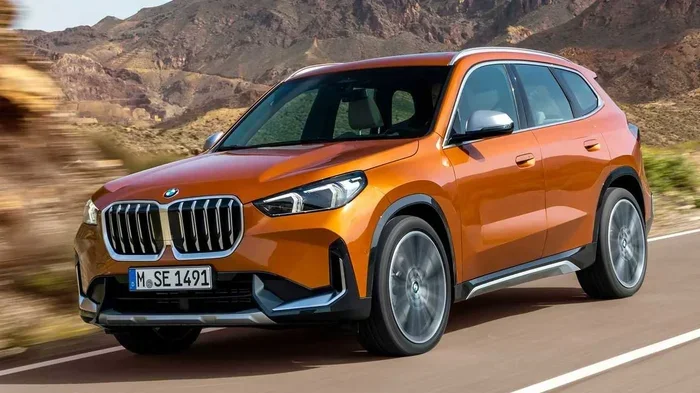
Featured image for new BMW X1 SUV
Image source: cdn.motor1.com
The new BMW X1 enters 2024 with a bold redesign, more interior space, and advanced tech. It offers strong engine choices, including a plug-in hybrid, and standard all-wheel drive on upper trims. This guide covers everything you need to know before you decide.
The new BMW X1 marks a significant leap forward for the brand’s entry-level SUV. It is bigger, smarter, and more luxurious than ever before. If you are shopping in the premium compact crossover segment, this vehicle demands your attention. We will walk you through every detail, from engine specs to interior comfort, so you can decide if it fits your life.
Key Takeaways
- Redesigned for 2024: The new BMW X1 grows in size, giving you more rear legroom and cargo space than the outgoing model.
- Powertrain Variety: Choose from the peppy xDrive28i, the efficient xDrive30e plug-in hybrid, or the front-wheel-drive sDrive28i entry model.
- Tech-Forward Cabin: A massive curved display runs iDrive 9, bringing wireless Apple CarPlay, Android Auto, and natural voice control.
- Standard Safety Suite: Every model gets forward collision warning, automatic emergency braking, and lane departure warning at no extra cost.
- Competitive Pricing: Starting near $39,000, it undercuts key rivals like the Audi Q3 and Mercedes GLA while offering more standard features.
- Run-Flat Tires Standard: The X1 comes with run-flat tires, so you should understand the pros and cons before hitting the road.
- Strong Reliability Outlook: Early data suggests the new platform continues BMW’s recent trend of improved dependability scores.
📑 Table of Contents
- Introduction: Why the New BMW X1 Matters
- Exterior Design: Bolder Stance, Sharper Details
- Interior Comfort and Cargo Versatility
- Technology and Infotainment: iDrive 9 Takes Center Stage
- Performance: Engines, Transmission, and Driving Dynamics
- Trim Levels and Pricing Breakdown
- New BMW X1 vs. Key Rivals
- Ownership Experience: Maintenance, Warranty, and Reliability
- Quick Tips for Buyers
- Common Mistakes to Avoid
- Expert Insight: Who Should Buy the New BMW X1?
- Conclusion: Is the New BMW X1 Right for You?
Introduction: Why the New BMW X1 Matters
The compact luxury SUV segment is fiercely competitive. Buyers want premium badges, but they also demand practicality and technology. The new BMW X1 answers that call with a complete redesign. It moves to the FAAR front-wheel-drive architecture, which liberates cabin space. This is not just a refresh; it is a reimagining of what an entry-level BMW SUV can be.
BMW has sold millions of X1s globally. This third generation aims to keep that momentum. It targets young families, urban professionals, and driving enthusiasts who need versatility. We have analyzed the specs, features, and driving dynamics to give you the full picture. Let’s dive into what makes this model tick.
Exterior Design: Bolder Stance, Sharper Details
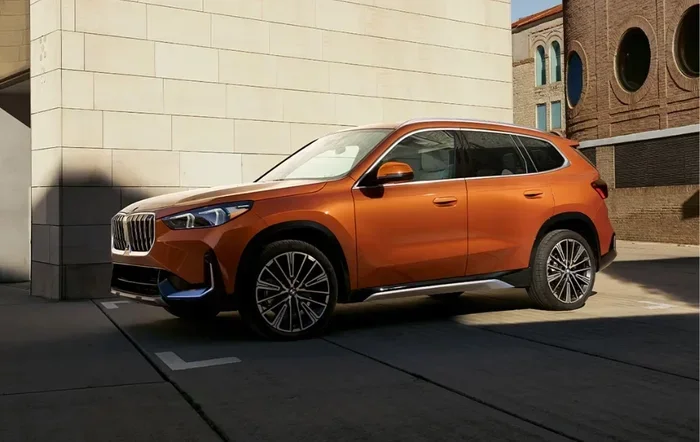
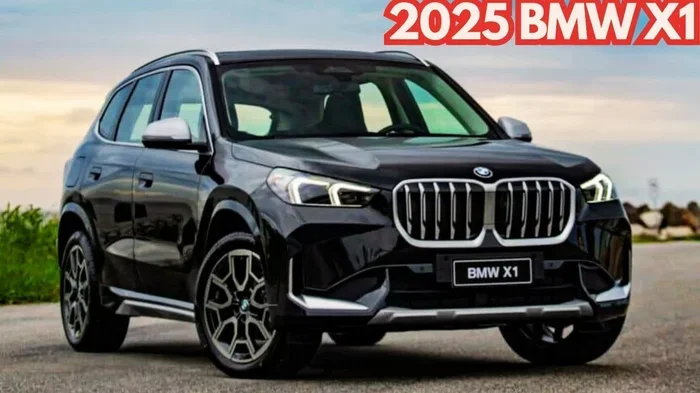
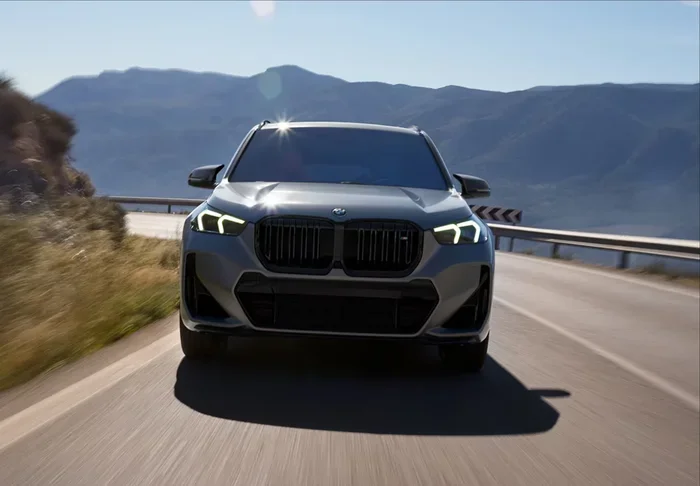
The first thing you notice is the size. The new BMW X1 is longer, wider, and taller than its predecessor. This translates directly to presence on the road. The kidney grille is larger and framed by sleek LED headlights. You can option the Iconic Glow grille with subtle illumination for a distinct night signature.
Visual guide about new BMW X1 SUV
Image source: aresstorageaccount.blob.core.windows.net
Dimensions and Proportions
The wheelbase stretches by nearly an inch. Overall length grows by over two inches. Width increases by roughly one inch. These numbers sound small on paper, but they make the X1 feel like a proper compact SUV rather than a lifted hatchback. The roofline remains sporty, avoiding the boxy look of some rivals.
Wheel Options and Colors
Standard 18-inch wheels look adequate, but the 19-inch and 20-inch M Sport designs fill the arches beautifully. New paint options like Space Silver Metallic and Cape York Green add sophistication. The M Sport package adds aggressive bumpers, shadowline trim, and an aerodynamic kit that looks functional, not just flashy.
Interior Comfort and Cargo Versatility
Step inside, and the improvement is immediate. The dashboard centers on the BMW Curved Display. It merges a 10.25-inch digital instrument cluster with a 10.7-inch touchscreen. There are almost no physical buttons left; climate controls are integrated into the screen. It looks futuristic, but it requires a learning curve.
Visual guide about new BMW X1 SUV
Image source: i.ytimg.com
Seating and Space
Front seats are supportive with standard power adjustment. The rear bench slides and reclines, a rare feature in this class. Two adults sit comfortably with ample knee room. The center tunnel is low, making the middle seat usable for short trips. Heated front seats are standard; heated rear seats and a heated steering wheel are optional.
Cargo Capacity
Behind the rear seats, you get 27.1 cubic feet. Fold the 40/20/40 split seats flat, and that expands to 57.2 cubic feet. The load floor is low and flat. There is a handy under-floor storage bin for valuables. The power tailgate is standard across the range, with a hands-free sensor on higher trims.
Technology and Infotainment: iDrive 9 Takes Center Stage
The new BMW X1 debuts the latest iDrive 9 operating system. It runs on the Android Automotive OS base, ensuring snappy responses and over-the-air updates. The home screen is customizable with widgets. Natural language voice control (“Hey BMW”) works well for navigation, climate, and media.
Visual guide about new BMW X1 SUV
Image source: carexplore.com.au
Connectivity Features
- Wireless Apple CarPlay and Android Auto are standard.
- 5G compatible Wi-Fi hotspot supports up to ten devices.
- Digital Key Plus lets you use your iPhone or Apple Watch as a key.
- Wireless charging pad is standard on xDrive models, optional on sDrive.
Driver Assistance and Safety
Standard Driving Assistance Package includes:
- Forward Collision Warning with Pedestrian Detection.
- Automatic Emergency Braking.
- Lane Departure Warning with Steering Intervention.
- Speed Limit Assist.
Optional Driving Assistance Professional adds adaptive cruise control with stop-and-go, active lane keeping, and Traffic Jam Assistant for hands-off driving at low speeds on highways. The 360-degree camera system renders a 3D view of the car, making tight parking effortless.
Performance: Engines, Transmission, and Driving Dynamics
BMW offers three distinct powertrains for the new BMW X1. All use a 7-speed dual-clutch automatic transmission. The tuning prioritizes quick shifts and smooth low-speed manners.
sDrive28i: The Entry Point
Front-wheel drive. 2.0-liter TwinPower Turbo four-cylinder. 241 horsepower and 295 lb-ft of torque. 0-60 mph in 6.2 seconds. It is the lightest and most efficient gas model. EPA estimates sit at 25 mpg city / 34 mpg highway. It feels eager around town but lacks the all-weather security of xDrive.
xDrive28i: The Sweet Spot
All-wheel drive. Same engine, 241 hp. 0-60 mph in 6.3 seconds (the AWD system adds weight). The xDrive system sends power to the rear wheels instantly when slip is detected. It handles snow and rain with confidence. Fuel economy drops slightly to 24/33 mpg. This is the volume seller for good reason.
xDrive30e: The Plug-In Hybrid
This is the tech showcase. A 1.5-liter three-cylinder turbo pairs with an electric motor. Combined output: 317 horsepower and 331 lb-ft of torque. 0-60 mph in 5.4 seconds. A 14.2 kWh battery provides an EPA-estimated 38 miles of electric range. You can commute silently on electricity and have the gas engine for trips. It qualifies for a federal tax credit (subject to current IRS rules).
Ride and Handling
The suspension uses MacPherson struts up front and a multi-link rear. Standard passive dampers strike a compliant balance. Adaptive M Suspension (standard on M Sport, optional otherwise) sharpens body control. Steering is precise with decent weight, though feedback is filtered. It feels agile for its height, rewarding the driver on winding roads without punishing passengers on potholes.
Trim Levels and Pricing Breakdown
The lineup is simple: three trims per powertrain. Here is a quick comparison for the 2024 model year (MSRP excludes destination).
| Trim | sDrive28i | xDrive28i | xDrive30e |
|---|---|---|---|
| Base | $39,100 | $41,350 | $47,900 |
| xLine | $41,600 | $43,850 | $50,400 |
| M Sport | $43,600 | $45,850 | $52,400 |
What Each Trim Adds
Base: 18-inch wheels, LED lights, power tailgate, synthetic leather (Veganza), curved display, iDrive 9, standard safety suite.
xLine: 19-inch wheels, roof rails, upgraded exterior trim, ambient lighting, upgraded interior materials, wireless charging (std on xDrive).
M Sport: 19-inch M wheels (20s optional), adaptive suspension, M steering wheel, M sport seats, shadowline trim, aerodynamic kit, Anthracite headliner.
New BMW X1 vs. Key Rivals
How does the new BMW X1 stack up against the heavy hitters? We compare it to the Audi Q3, Mercedes-Benz GLA, and Volvo XC40.
| Spec | BMW X1 xDrive28i | Audi Q3 45 TFSI | Mercedes GLA 250 4MATIC | Volvo XC40 B5 AWD |
|---|---|---|---|---|
| Horsepower | 241 hp | 228 hp | 221 hp | 247 hp |
| Torque | 295 lb-ft | 258 lb-ft | 258 lb-ft | 258 lb-ft |
| 0-60 mph | 6.3 sec | 7.0 sec | 6.8 sec | 6.3 sec |
| Cargo (seats up) | 27.1 cu ft | 23.7 cu ft | 15.4 cu ft | 20.7 cu ft |
| Rear Legroom | 37.0 in | 36.1 in | 36.1 in | 36.1 in |
| Starting Price (AWD) | $41,350 | $39,900 | $40,850 | $40,850 |
The X1 leads in cargo space and rear legroom. It matches the Volvo for acceleration. The Audi and Mercedes have slightly lower base prices but less standard equipment. The BMW includes the curved display and synthetic leather standard; rivals often charge extra for digital clusters or leatherette.
Ownership Experience: Maintenance, Warranty, and Reliability
Buying a luxury SUV involves long-term costs. BMW backs the new BMW X1 with a 4-year/50,000-mile limited warranty. The complimentary maintenance program (BMW Ultimate Care) covers factory-recommended service for 3 years/36,000 miles. This includes oil changes, brake fluid, and engine air filters.
Run-Flat Tires: What You Need to Know
Every X1 comes with run-flat tires. They allow you to drive up to 50 miles at 50 mph after a puncture. The benefit is safety and trunk space (no spare tire). The downside is a firmer ride, higher replacement cost, and limited tire shop availability. If you prefer conventional tires, many owners switch at the first replacement interval. You can learn more about what are BMW run flat tires design benefits and care to make an informed choice.
Reliability Outlook
The previous generation X1 had average reliability ratings. The new platform shares components with the 2 Series Active Tourer, which has shown promising early results. J.D. Power and Consumer Reports have not released long-term scores yet, but BMW’s overall brand ranking has improved. For a deeper look at long-term durability across the lineup, check our guide on identifying the most reliable BMW models for longevity.
Brake Fluid and Routine Care
BMW recommends brake fluid changes every two years regardless of mileage. The dual-clutch transmission fluid is “lifetime” per BMW, but many enthusiasts change it at 60,000 miles for peace of mind. Using the correct fluid spec is critical. Our article on selecting the ideal brake fluid for your BMW model explains the DOT 4 LV requirement.
Quick Tips for Buyers
- Test drive both xDrive28i and xDrive30e. The hybrid’s instant torque feels very different from the gas model.
- Skip the 20-inch wheels if you prioritize ride comfort on rough roads; 19s are the sweet spot.
- Get the Parking Assistant Professional if you park in tight city spots daily; the 3D view is excellent.
- Check tax credit eligibility for the xDrive30e; it can shrink the price gap significantly.
- Consider BMW Ultimate Care+ extended maintenance if you plan to keep the car past 3 years.
Common Mistakes to Avoid
- Assuming sDrive is “good enough” for snow. Winter tires on sDrive beat all-seasons on xDrive, but xDrive with winter tires is unbeatable.
- Ignoring the hybrid because you don’t have a home charger. The xDrive30e works great as a regular hybrid, returning 30+ mpg combined.
- Overlooking the xLine trim. It adds roof rails and ambient lighting for a modest price bump over Base.
- Forgetting to factor in run-flat replacement costs in your 3-4 year ownership budget.
Expert Insight: Who Should Buy the New BMW X1?
The new BMW X1 is ideal for the driver who wants a premium badge without the size of an X3. It suits a single professional or a couple with one child. The rear seat accommodates a rear-facing car seat well, but three-across is tight. If you need three rows, look at the X5 or X7. You can discover which BMW SUV has three rows for your family needs in our dedicated guide.
Enthusiasts will appreciate the sharp handling and potent engines. Tech lovers will enjoy the iDrive 9 interface. Value seekers get a lot of standard equipment for the money. It is a well-rounded package with few glaring weaknesses.
Conclusion: Is the New BMW X1 Right for You?
The new BMW X1 delivers a compelling mix of space, technology, and driving enjoyment. It fixes the main complaints of the old model: tight rear seat and dated interior. The plug-in hybrid adds a unique high-efficiency option. Pricing remains aggressive against German rivals.
If you value a driver-focused experience in a practical, upscale wrapper, the X1 deserves a spot on your shortlist. Visit a dealer, spend time with the iDrive 9 system, and drive both the gas and hybrid models. Your perfect daily driver might be waiting on the lot.
Frequently Asked Questions
What is the starting price of the new BMW X1?
The 2024 BMW X1 sDrive28i starts at $39,100 MSRP. The all-wheel-drive xDrive28i starts at $41,350. The plug-in hybrid xDrive30e starts at $47,900. Destination charges add $995.
Does the new BMW X1 have a third row?
No, the new BMW X1 is a five-passenger compact SUV. It does not offer a third-row seat. If you need seven seats, you must step up to the BMW X5 or X7.
What is the electric range of the BMW X1 xDrive30e plug-in hybrid?
The EPA estimates the xDrive30e can travel up to 38 miles on electricity alone. Real-world range varies based on temperature, speed, and climate control usage.
Is the new BMW X1 reliable?
Early indicators are positive. The new platform shares underpinnings with the reliable 2 Series Active Tourer. BMW’s overall reliability rankings have improved in recent years, but long-term data for this specific generation is still accumulating.
What are the main competitors to the new BMW X1?
Key rivals include the Audi Q3, Mercedes-Benz GLA-Class, Volvo XC40, Lexus UX, and Cadillac XT4. The X1 generally offers more cargo space and rear legroom than most of these competitors.
Does the new BMW X1 require premium gas?
Yes, BMW recommends 91 octane or higher premium unleaded gasoline for all gas-powered X1 models (sDrive28i and xDrive28i) for optimal performance and fuel economy. The xDrive30e plug-in hybrid also requires premium fuel.



