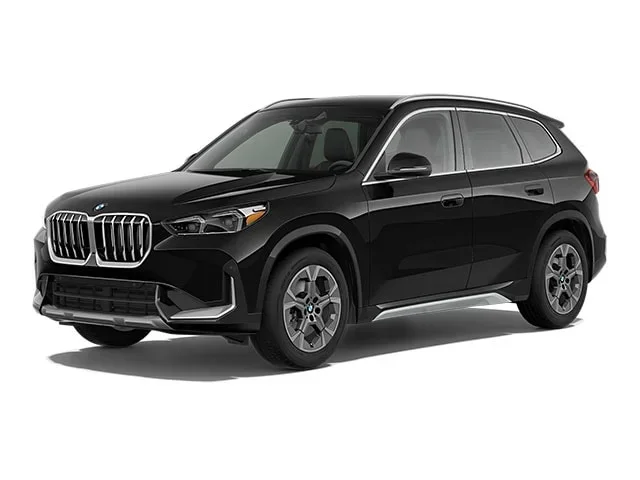
Featured image for Used BMW X1 SUV
Image source: impx.hwntcdn.com
Buying a used BMW X1 can be a smart move if you know what to look for. This guide breaks down the best model years, common reliability concerns, and maintenance costs to help you avoid costly surprises. Learn how to spot a great deal and drive home with confidence.
Shopping for a used BMW X1 feels exciting. You get the badge, the driving dynamics, and the utility of an SUV at a fraction of the new price. But like any used luxury car, the devil hides in the details. I have seen plenty of buyers fall in love with the test drive only to regret it six months later when a repair bill hits. This guide walks you through everything you need to know. We will cover the generations, the engines to seek out, the ones to avoid, and the specific checks that save you money.
Key Takeaways
- Generation matters: The first generation (E84, 2010-2015) and second generation (F48, 2016-present) have very different reliability profiles.
- Watch the timing chain: Early N20 engines (2012-2015) are prone to timing chain guide failure, a costly repair.
- XDrive vs sDrive: All-wheel drive adds traction but increases complexity and potential repair bills.
- Certified Pre-Owned value: A BMW CPO warranty adds significant peace of mind for used buyers.
- Maintenance history is king: A well-documented service record outweighs low mileage every time.
- Run-flat tires: Budget for replacements; the X1 uses run-flats which are pricier and ride stiffer.
- Pre-purchase inspection: Never skip an independent BMW specialist inspection before signing.
📑 Table of Contents
- Understanding the BMW X1 Generations
- Engine Breakdown: What to Buy and What to Avoid
- Critical Used BMW X1 Buying Checks
- Model Year Recommendations: Best and Worst
- Ownership Costs: The Real World Numbers
- Comparison: BMW X1 vs. The Competition
- Quick Tips for the Test Drive
- Common Mistakes Buyers Make
- Expert Insight: The “Hidden Gem” Spec
- Financing and Paperwork
- Life After Purchase: The First 30 Days
- Frequently Asked Questions
- Conclusion
Understanding the BMW X1 Generations
The X1 has gone through three distinct generations. Each one changed the formula significantly. Knowing which generation fits your budget and needs is step one.
First Generation (E84): 2010–2015
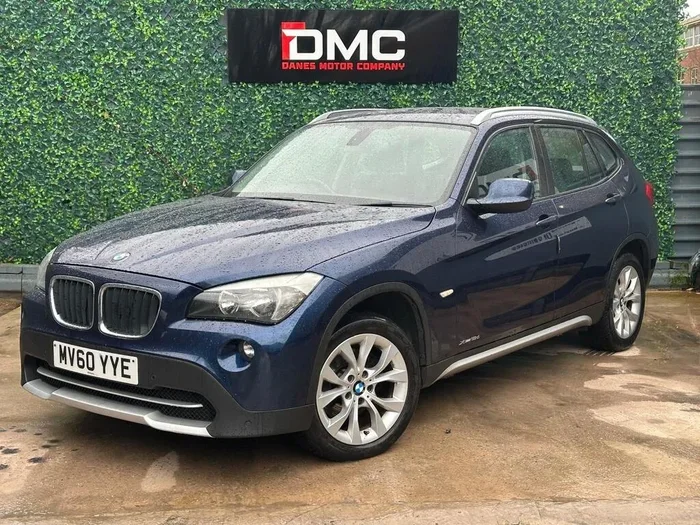
This is the original X1. It sits on a rear-wheel-drive platform. It feels more like a raised wagon than a traditional SUV. The driving dynamics are sharp. The steering has great feel. You can find these for very attractive prices now, often under $15,000.
However, age is the enemy here. The youngest models are pushing a decade old. Rubber bits, gaskets, and electronics start to fatigue. The N20 four-cylinder engine (badged xDrive28i or sDrive28i) arrived in 2012. Early versions of this engine have a known design flaw with the timing chain guide. It is plastic. It gets brittle. It breaks. When it breaks, the engine jumps time. That usually means a new engine.
The six-cylinder N52 engine (xDrive35i) is the darling of this generation. It is naturally aspirated. It is smooth. It avoids the turbo and timing chain headaches of the N20. It drinks more fuel, but it offers peace of mind. If you find a clean 35i with records, it is a strong contender.
Second Generation (F48): 2016–2022
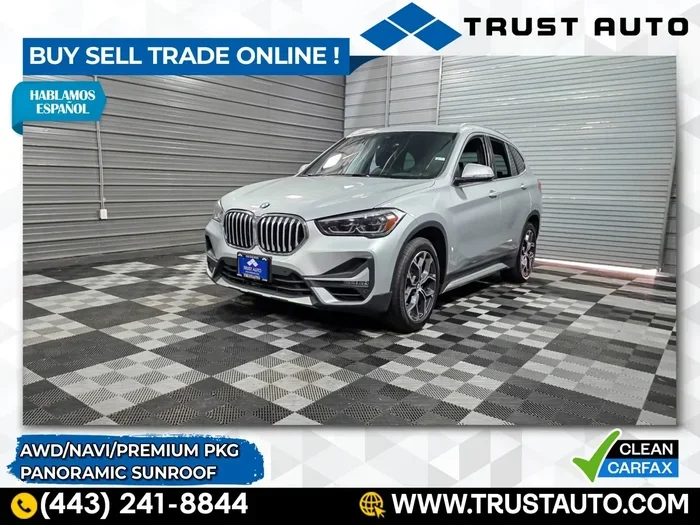
This generation switched to a front-wheel-drive platform (UKL architecture). Purists hated it. The steering lost some feel. But for a daily driver? It is better. It has more interior space. The infotainment is modern. The engines are the B-series modular family (B38 three-cylinder, B48 four-cylinder). These engines are robust. They fixed the timing chain issues of the N20.
This is the sweet spot for most used buyers right now. Prices range from roughly $18,000 to $30,000 depending on mileage and trim. You get Apple CarPlay, better safety tech, and a more comfortable rear seat. The xDrive system here is a front-biased setup with a clutch pack. It works well in snow but is less engaging than the old rear-biased system.
Third Generation (U11): 2023–Present
The current model just hit the used market as off-lease units. It looks aggressive. It offers an EV version (iX1) and a plug-in hybrid. Prices are still high, near $35,000+. It is too new for a deep reliability dive, but the B48 engine carries over. If your budget stretches this far, you are buying the latest tech and safety.
Engine Breakdown: What to Buy and What to Avoid
The engine defines the ownership experience. Let us break down the specific motors you will find on used lots.
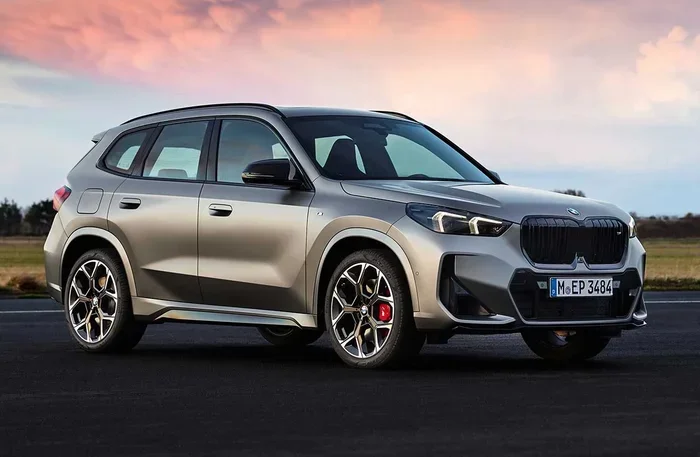
Visual guide about Used BMW X1 SUV
Image source: static.overfuel.com
The N52 3.0L Inline-6 (E84 xDrive35i / sDrive35i)
Verdict: The Enthusiast Choice. This engine is legendary. No turbo. No direct injection carbon buildup worries (it has port injection). No plastic timing chain guides. The weak points are the valve cover gasket, oil filter housing gasket, and water pump/thermostat. These are routine maintenance items. If they have been done recently, this engine runs forever. It sounds great and pulls hard.
The N20 2.0L Turbo-4 (E84 xDrive28i / sDrive28i, 2012-2015)
Verdict: Proceed with Extreme Caution. This engine makes good power and gets decent MPG. But the timing chain guide issue is real. BMW updated the part in late 2014/2015. If you buy a 2012-2014 model, verify the timing chain components have been upgraded to the revised metal-backed guides. If the seller cannot prove it, walk away or negotiate $2,000-$3,000 off for the repair. Also watch for valve cover cracks (integrated PCV) and coolant leaks.
The B48 2.0L Turbo-4 (F48 xDrive28i / sDrive28i, 2016+)
Verdict: The Smart Daily Driver Pick. This is the successor to the N20. It uses a closed-deck block and a timing chain designed for the life of the engine. It is tunable, efficient, and reliable. It pairs with the excellent ZF 8-speed automatic (in xDrive) or Aisin 8-speed (in sDrive). This is the engine I recommend for 90% of used X1 shoppers.
The B38 1.5L Turbo-3 (F48 sDrive18i / xDrive18i – Rare in US)
You will rarely see this in the US market. It is peppy enough for city driving but feels strained on the highway with the X1’s weight. The B48 is worth the small premium.
Diesel Options (xDrive20d / xDrive25d)
Common in Canada and Europe. Rare in the US. The B47 diesel is solid. Watch for DPF (Diesel Particulate Filter) regeneration issues if the car only did short trips. High-pressure fuel pumps and injectors are expensive failure points.
Critical Used BMW X1 Buying Checks
You found a listing you like. The photos look clean. The price is right. Now what? You do the work. Do not rely on the dealer’s “150-point inspection.” Bring a flashlight and a friend. Or better yet, pay a BMW independent shop for a pre-purchase inspection (PPI). It costs $150-$300. It saves thousands.

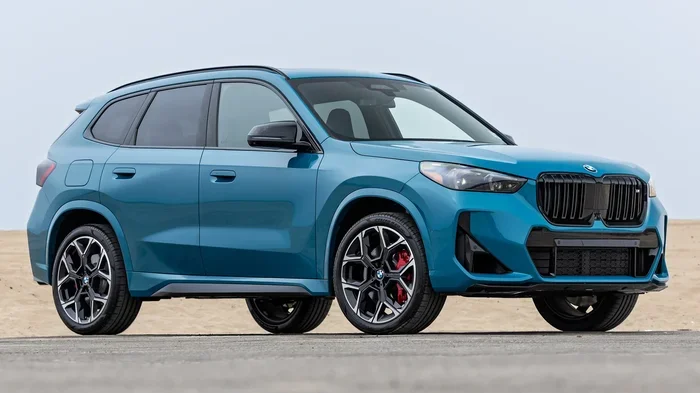
Visual guide about Used BMW X1 SUV
Image source: m.atcdn.co.uk
1. The Timing Chain Cold Start Test (N20 Engines Only)
Start the engine cold. Listen for a rattle. A “marbles in a can” sound for 1-3 seconds on startup signals worn timing chain guides. Rev it slightly. If the rattle changes pitch or gets louder, walk away. This test only works on a stone-cold engine. If the dealer “warmed it up” for you, come back tomorrow morning.
2. Oil Leaks: The Valve Cover & Filter Housing
Almost every BMW engine leaks oil eventually. Check the valve cover gasket (top of engine) and the oil filter housing gasket (side of engine, near the exhaust manifold). Look for fresh oil residue or steam burning off the exhaust after a test drive. Minor seepage is normal on high-mileage cars. Active dripping is a negotiation point.
3. Cooling System Health
BMW cooling systems are maintenance items, not lifetime parts. Ask for receipts for the water pump, thermostat, and expansion tank. On the F48, the electric water pump is more reliable but still fails around 80k-100k miles. On the E84, the expansion tank cracks with age. Squeeze the upper radiator hose (when cold). It should be firm but pliable. Rock hard or mushy soft means replacement is due.
Make sure the coolant is the correct BMW blue coolant. Green or pink universal coolant mixed in signals a shoddy top-off job.
4. Transmission Behavior
E84 (ZF 6-speed or 8-speed): Should shift imperceptibly. Hard 2-1 downshifts or “flaring” (RPM spikes between gears) means valve body wear or low fluid. The “lifetime fluid” myth is false. Fluid should be changed every 60k miles.
F48 (ZF 8HP / Aisin 8-speed): Generally bulletproof. Check for hesitation engaging Drive or Reverse from a cold start. That can indicate mechatronic sleeve leaks or valve body issues.
5. XDrive System (All-Wheel Drive)
Test the AWD. Find a gravel lot or wet grass. Accelerate moderately. The car should hook up and go. No binding. No clunking when turning tight circles at low speed (parking lot test). Binding indicates a worn transfer case actuator or viscous coupling (E84) or clutch pack wear (F48). Transfer case fluid changes are often neglected. Ask for records.
6. Suspension and Steering
Drive over a speed bump. Listen for clunks. Front control arm bushings (thrust arms) wear out on every BMW. They cause a vague steering feel and braking shimmy. Rear subframe bushings are another weak spot. Grab the wheels at 3 and 9 o’clock. Wiggle. Play means tie rods or control arms. Grab at 12 and 6. Play means wheel bearings.
7. Brakes and Run-Flat Tires
The X1 comes with run-flat tires. They have stiff sidewalls. They transmit every crack in the road. They cost 30-50% more than standard tires. Check the date codes (DOT number). Tires older than 6 years are hard as rocks, regardless of tread depth. Check brake pad life through the spokes. BMW pads wear fast. Rotors often need replacing with pads because they wear below spec.
If you hate the ride, budget for a switch to non-run-flats. You must carry a spare tire kit or a mobility kit (sealant/compressor) if you ditch the run-flats. The X1 has no spare tire well in many trims.
8. Electronics and Interior
Test every button. Sunroof operation (drains clog, causing wet headliners). Power tailgate (struts fail). Heated seats (elements break). iDrive controller (knob gets sticky). Check for pixel death on the instrument cluster (E84) or center screen (F48). Bluetooth pairing. USB ports. These nickel-and-dime repairs add up fast.
9. Rust Inspection
If you live in the Salt Belt, get underneath. Check the rear subframe mounting points. Check the brake lines. Check the fuel lines. The E84 is old enough to have serious rust. The F48 is better protected but not immune. A clean undercarriage adds huge value.
Model Year Recommendations: Best and Worst
Not all years are created equal. Here is the cheat sheet.
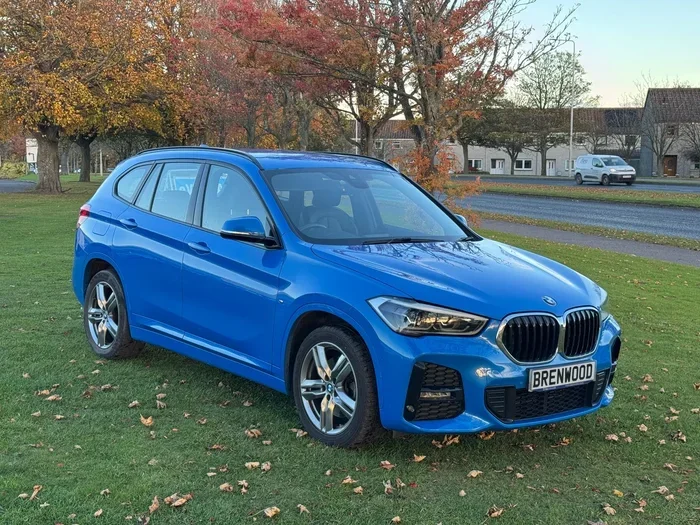
Visual guide about Used BMW X1 SUV
Image source: m.atcdn.co.uk
Years to Approach with Caution
- 2012-2014 (E84 N20 engine): Timing chain guide failure risk. High pressure fuel pump recalls. Early turbo wastegate rattle.
- 2016 (Early F48 Build): First year of new platform. Software glitches in iDrive. Some early B48 teething issues (rare).
Sweet Spot Years
- 2011 (E84 N52 35i): Last year of the bulletproof inline-6 before the N20 takeover. Getting rare.
- 2015 (E84 LCI / Late N20): Updated timing chain guides. Facelifted looks (LED tail lights, new bumpers). Best of the old platform.
- 2018-2021 (F48): Mature platform. Software sorted. Apple CarPlay standard (2018+). Android Auto added later. B48 engine proven. Avoid 2020 if possible due to COVID production inconsistencies (missing features like touchscreen on some early 2020 builds).
- 2022 (F48 Final Year): Most refined. All kinks worked out. Best used value if you can find one.
Ownership Costs: The Real World Numbers
Luxury cars cost more to run. Let us be honest about the numbers so you can budget.
Maintenance vs. Repairs
Maintenance is planned. Oil changes (every 5k-7k miles with synthetic), brake fluid (every 2 years), coolant, filters, spark plugs (every 60k on turbos). Repairs are unplanned. Water pumps, gaskets, sensors, suspension bits.
Budget $1,500 – $2,500 per year for a used X1 with 60k-100k miles. This covers maintenance plus one moderate repair (like a water pump or control arms). If you DIY, cut that in half. If you go to the dealer, double it.
Fuel Economy Reality
- E84 sDrive28i (RWD N20): 22 City / 33 HWY.
- E84 xDrive28i (AWD N20): 21 City / 30 HWY.
- E84 xDrive35i (AWD N52): 18 City / 27 HWY. Requires Premium fuel.
- F48 sDrive28i (FWD B48): 24 City / 33 HWY.
- F48 xDrive28i (AWD B48): 23 City / 31 HWY.
All require Premium 91+ Octane. Do not cheap out. The knock sensors will pull timing, killing power and mileage.
Insurance Costs
Expect to pay 15-25% more than a Honda CR-V or Toyota RAV4. The X1 is classified as a luxury compact SUV. Repair costs (OEM parts, aluminum body panels on F48) drive premiums up. Shop quotes before you buy.
Extended Warranty / CPO
BMW’s CPO warranty is the gold standard. It extends the factory bumper-to-bumper warranty to 1 year/unlimited miles from purchase date (on top of remaining factory 4yr/50k). It covers almost everything except wear items (brakes, tires, wipers). It is transferable. It adds $1,500-$2,500 to the car’s price but is often worth it for the F48 generation. For the E84, CPO is mostly expired now. Third-party warranties on 10+ year old German cars are usually a waste of money due to exclusions.
Comparison: BMW X1 vs. The Competition
Why the X1? Or why not? Let us stack it up.
| Feature | BMW X1 (F48) | Audi Q3 | Mercedes GLA | Volvo XC40 |
|---|---|---|---|---|
| Driving Dynamics | Best in class. Sharp steering, flat cornering. | Good. Quattro grip, but numb steering. | Comfort focused. Soft, vague steering. | Safe, stable, but heavy feeling. |
| Interior Quality | Good materials, but design ages fast. | Best build quality. Virtual Cockpit wins. | Flashy screens, but some cheap plastics low down. | Scandi minimalism. Great seats. Dated infotainment. |
| Reliability (Used) | Average. B48 engine is strong. Electronics weak point. | Average. DSG transmission risks on older models. | Below average. Complex electronics, engine issues. | Above average. Simple engines, electrical gremlins. |
| Cargo Space | 27.1 cu ft (seats up). Very boxy, usable. | 23.7 cu ft. Sloped roofline cuts space. | 21.6 cu ft. Smallest in class. | 20.7 cu ft. Boxy but high load floor. |
| Used Price (3-5 yr old) | $22k – $30k | $24k – $32k | $23k – $31k | $25k – $33k |
| Maintenance Cost (5yr) | High | High | Very High | Moderate |
The X1 wins if you drive. The Volvo wins if you want low stress. The Audi wins if you want tech. The Mercedes wins if you want the badge and ride comfort. The X1 depreciates harder than the Japanese rivals but holds value better than the Mercedes.
Quick Tips for the Test Drive
Do not just drive around the block. Follow this routine.
- Cold Start: Be there when the engine has sat overnight. Listen for rattles, smoke, rough idle.
- Full Lock Turns: Turn steering wheel full lock left and right. Drive slowly in circles. Listen for clicking (CV axles) or groaning (power steering / xDrive binding).
- Hard Acceleration: Merge onto a highway. Floor it. Watch for smoke in the rearview (turbo seals, valve stem seals). Feel for hesitation (boost leaks, misfires). Check if the transmission kicks down smoothly.
- Braking Test: From 40 mph, firm stop. No pulling. No vibration in steering wheel (warped rotors). No grinding.
- Infotainment Stress Test: Pair your phone. Use nav. Switch radio sources. Test voice command. Slow laggy iDrive is annoying daily.
- Check the Spare: Does it have a spare? Mobility kit? Run-flats? Know what you are getting.
- VIN Decode: Run the VIN through a decoder (like bmwvin.com or mdecoder). Verify equipment codes. Confirm xDrive vs sDrive. Check for open recalls.
Common Mistakes Buyers Make
- Buying on Monthly Payment: Focus on the out-the-door price. Long loans on used German cars = negative equity when repairs hit.
- Ignoring the PPI: “The dealer said it’s certified.” Dealer certifications vary. An independent BMW specialist works for you, not the seller.
- Chasing the Lowest Mileage: A 40k mile car that sat for 2 years (dry seals, stale fuel, rodent damage) is worse than a 70k mile car driven daily and serviced on time.
- Forgetting Tire Matching: xDrive models require matching tires (same brand, model, tread depth within 2/32″). Mismatched tires destroy the transfer case. Budget for a full set of 4 if they don’t match.
- Skipping Fluid History: “Lifetime fluid” is marketing. No receipts for transmission, differential, or brake fluid? Assume it needs doing. Negotiate accordingly.
Expert Insight: The “Hidden Gem” Spec
If you want the ultimate used X1, hunt for a 2015 xDrive35i M Sport. It has the N52 engine (reliable), the 8-speed ZF transmission (smooth), the LCI updated looks, M Sport suspension/brakes/seats/steering wheel, and the rear-biased xDrive system. It is the last of the “real” BMW SUVs. They are rare. They hold value. But they are the most satisfying to own.
Alternatively, a 2019-2021 xDrive28i M Sport with the Premium Package (heads-up display, Harman Kardon, parking assist) is the modern rational choice. It has the B48, CarPlay, digital dash, and modern safety suite. It will depreciate slower than the base models.
Financing and Paperwork
Check your credit score before you walk in. Credit unions often beat dealer rates on used cars. Get pre-approved. It gives you leverage. Read the buyer’s order line by line. Watch for “doc fees” over $300 (negotiable), “etching,” “nitrogen tires,” or “paint protection” add-ons you did not ask for. Cross them out.
Ensure the title is clean. No salvage, rebuilt, or lemon law buyback brands. Run a Carfax or AutoCheck yourself. Do not trust the dealer’s free copy. Look for gaps in registration history. Look for “fleet/rental” history. Ex-rentals get abused. Ex-corporate fleet (BMW executive demos) are usually well-maintained.
Life After Purchase: The First 30 Days
You bought it. Congrats. Now do this immediately.
- Change all fluids: Oil (LL-01 or LL-17FE+ spec), Brake fluid (DOT 4), Coolant (if history unknown), Transfer case (xDrive), Rear diff (xDrive). Front diff is integrated in trans on F48.
- Spark plugs: If over 60k miles and no receipt, do them. Use OEM NGK/Bosch only.
- Cabin & Engine Air Filters: Cheap, easy, huge air quality difference.
- Battery Registration: If you replace the battery (AGM usually), it must be registered to the car’s computer (ISTA/BMW scanner) so the charging profile adapts. Skip this, kill the new battery in months.
- Software Update: Check for iDrive/ECU updates. Many driveability issues (rough shifts, start-stop glitches) are fixed by software.
Frequently Asked Questions
Is the BMW X1 reliable used?
The F48 generation (2016+) with the B48 engine is generally reliable. The E84 (2010-2015) is mixed; the six-cylinder N52 models are very reliable, while the four-cylinder N20 models have significant timing chain risks. Maintenance history matters more than the badge.
What is the most common problem with the BMW X1?
Oil leaks (valve cover, oil filter housing), cooling system failures (water pump, thermostat, expansion tank), and front suspension wear (control arm bushings) top the list. On 2012-2015 four-cylinder models, timing chain guide failure is the catastrophic concern.
Does the BMW X1 require premium gas?
Yes. All BMW X1 models require 91 octane or higher premium fuel. Using regular gas reduces power, hurts fuel economy, and risks long-term engine damage from knock.
How long do BMW X1 transmissions last?
The ZF 8-speed automatic in F48 models and later E84 models easily lasts 150,000+ miles if the fluid is changed every 60,000 miles. The “lifetime fill” claim is false. The earlier ZF 6-speed in early E84s is also robust with fluid changes.
Can I put regular tires on a BMW X1 instead of run-flats?
Yes, and many owners do for a better ride and lower cost. However, you must carry a spare tire kit or a tire repair mobility kit (sealant/inflator) because the car does not come with a spare tire well in most configurations.
What does BMW CPO warranty cover on a used X1?
The BMW CPO warranty provides comprehensive bumper-to-bumper coverage for 1 year with unlimited miles after the original 4-year/50,000-mile factory warranty expires. It covers most mechanical and electrical components but excludes wear items like brake pads, rotors, tires, and wiper blades.
Conclusion
Buying a used BMW X1 is a balancing act. You balance the thrill of the drive against the reality of German maintenance costs. You balance the low purchase price against the potential for surprise repairs. The winning move is knowledge. Know the generations. Know the engines. Know the specific failure points. And absolutely, positively get a pre-purchase inspection from a shop that only works on BMWs.
If you buy a clean F48 with the B48 engine and keep up on fluids, you have a fantastic daily driver that feels special every time you turn the wheel. If you buy a rough E84 N20 hoping to “save money upfront,” you are gambling with your rent money. Be smart. Be patient. The right one is out there. Happy hunting.