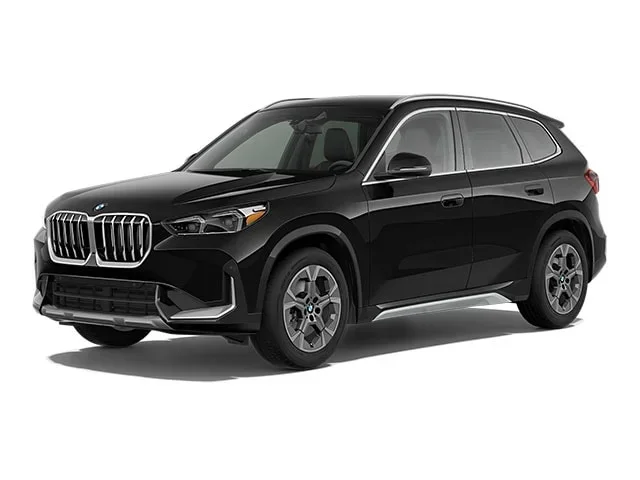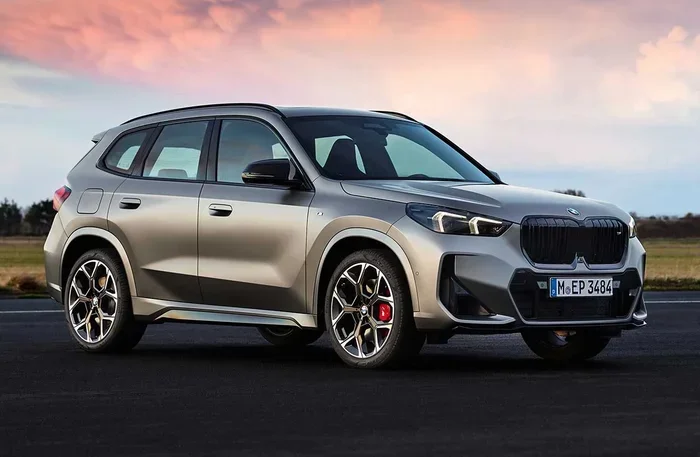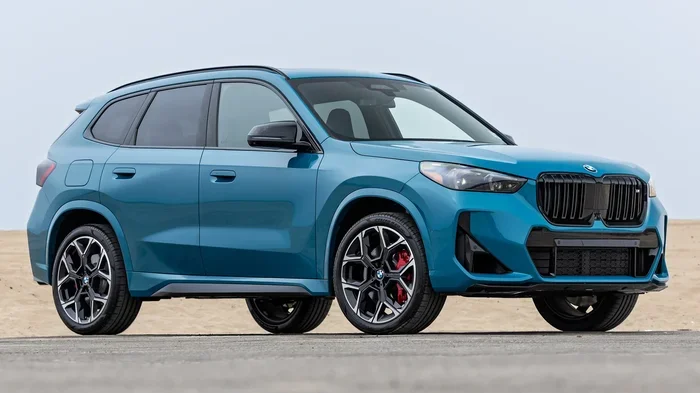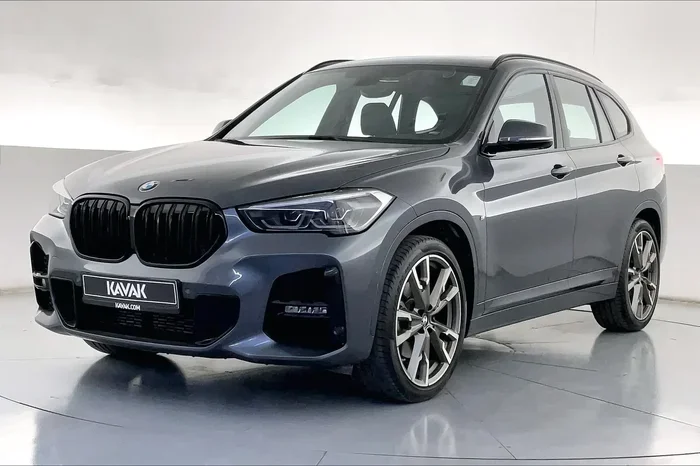
Featured image for BMW X1 sDrive exterior
Image source: images.prd.kavak.io
The BMW X1 sDrive is the front-wheel-drive entry point into BMW’s compact luxury SUV lineup. It delivers sharp handling, a premium interior, and strong turbocharged performance at a lower price than its all-wheel-drive sibling. This guide breaks down everything you need to know about the BMW X1 sDrive, from engine specs and fuel economy to reliability and value.
Shopping for a compact luxury SUV often leads you to the BMW X1. It sits at the top of sales charts for good reason. It blends badge prestige with genuine utility. But there is a big decision to make right away. Do you pick sDrive or xDrive? This article focuses entirely on the what car bmw x1 sdrive question. We will explore what sDrive actually means, how it drives, what it costs, and if it is the right choice for your garage.
Many buyers assume all-wheel drive is mandatory on a BMW. That is not true anymore. The current X1 uses a front-wheel-drive architecture. This platform change makes the sDrive version more competent than ever before. It is lighter, more efficient, and cheaper. Let’s dive deep into the details so you can decide with confidence.
Key Takeaways
- sDrive means front-wheel drive: It sends power only to the front wheels, saving weight and cost compared to xDrive all-wheel drive.
- Strong turbocharged power: The sDrive28i uses a 2.0-liter four-cylinder making 241 horsepower and 295 lb-ft of torque.
- Better fuel economy: Expect roughly 1-2 MPG better combined fuel economy than the xDrive model.
- Lower purchase price: The sDrive typically costs $1,500 to $2,000 less than an equivalent xDrive trim.
- Capable in most climates: With good tires, the sDrive handles rain and light snow well, but deep snow requires xDrive.
- Identical interior space: You lose zero passenger or cargo room by choosing the sDrive model.
- Great value proposition: It offers the core BMW driving experience for buyers who don’t need all-wheel drive.
📑 Table of Contents
- What Does sDrive Mean on a BMW X1?
- BMW X1 sDrive Performance and Engine Specs
- Front-Wheel Drive Dynamics: How It Feels on the Road
- Interior, Tech, and Cargo Space
- BMW X1 sDrive vs xDrive: Which Should You Choose?
- Reliability, Maintenance, and Ownership Costs
- Trim Levels and Options: Building Your Ideal X1 sDrive
- Buying Used: What to Look For (2023-2024 Models)
- Competitors: How the X1 sDrive Stacks Up
- Frequently Overlooked Details
- Final Thoughts: Is the BMW X1 sDrive the Right Car for You?
What Does sDrive Mean on a BMW X1?
BMW uses a simple naming code. sDrive equals two-wheel drive. xDrive equals all-wheel drive. On the X1, sDrive specifically means front-wheel drive (FWD). The engine sends all power to the front wheels only.
This is a shift from older BMWs. Ten years ago, “sDrive” on a Z4 roadster meant rear-wheel drive. Today, the X1 sits on the FAAR platform. This architecture is designed for transverse engines and front-wheel drive. It allows for more cabin space. It also makes the sDrive version the lightest X1 you can buy.
The History of the sDrive Badge
BMW introduced the sDrive badge around 2009. It debuted on the X6 sDrive35i and the Z4 sDrive30i. The goal was marketing clarity. Customers knew “xDrive” meant AWD. BMW needed a badge for the 2WD versions. On SUVs like the X1, X3, and X5, sDrive usually meant rear-wheel drive in the past. The switch to front-wheel drive for the X1 happened with the 2023 redesign (U11 chassis). This aligns the X1 with the 2 Series Gran Coupe and X2.
Why Front-Wheel Drive Now?
Packaging is the main reason. A transverse engine takes up less length. This pushes the firewall forward. The result is massive rear legroom. The current X1 has more rear space than the old rear-drive model. It also lowers the load floor. You get a bigger trunk. For a compact SUV, interior space wins over drivetrain purity for most buyers.
If you are curious about how BMW names its models, our guide on decoding BMW vehicle designations explains the whole numbering system.
BMW X1 sDrive Performance and Engine Specs
The heart of the BMW X1 sDrive28i is the B48 engine. This is a 2.0-liter TwinPower Turbo inline-four. It is a proven workhorse used across the BMW lineup. In the X1, it produces 241 horsepower and 295 lb-ft of torque. That torque hits low, at just 1,500 rpm.
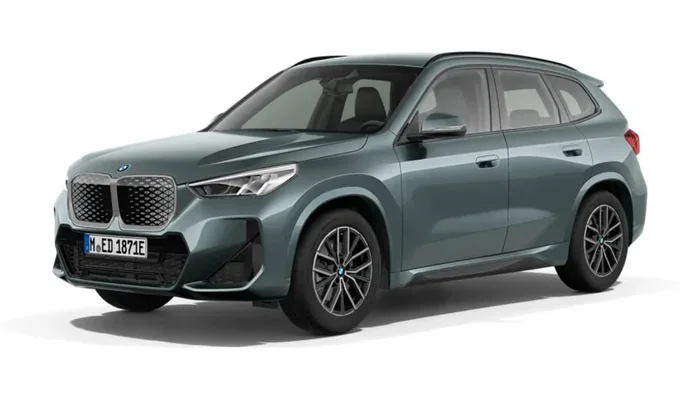
Visual guide about BMW X1 sDrive exterior
Image source: vertumotors.com
Transmission and Acceleration
Power routes through a 7-speed dual-clutch transmission (DCT). This is a wet-clutch unit. It shifts faster and smoother than the old 8-speed torque converter. BMW claims a 0-60 mph time of 6.2 seconds. That is quick for a base model. It feels punchy around town. Highway passing power is strong thanks to the torque curve.
Fuel Economy Numbers
Efficiency is a major sDrive selling point. The EPA rates the 2024 and 2025 X1 sDrive28i at:
- 25 MPG City
- 34 MPG Highway
- 28 MPG Combined
The xDrive model drops to 23/31/26 MPG. That 2 MPG combined difference adds up over years. The sDrive also has a smaller fuel tank (13.2 gallons vs 14.3 on some xDrive), but the range remains similar due to better efficiency.
Engine Refinement
The B48 is smooth. It is quiet at cruise. Under hard acceleration, it sounds sporty but not harsh. The DCT helps keep revs low on the highway. At 75 mph, the engine turns around 2,200 rpm. This makes the X1 sDrive a surprisingly good road tripper.
Front-Wheel Drive Dynamics: How It Feels on the Road
Driving a front-wheel-drive BMW feels different than an old 3 Series. But “different” does not mean “bad.” The X1 sDrive is genuinely fun. The steering is quick. The ratio is tight. You turn the wheel, and the nose tucks in immediately.
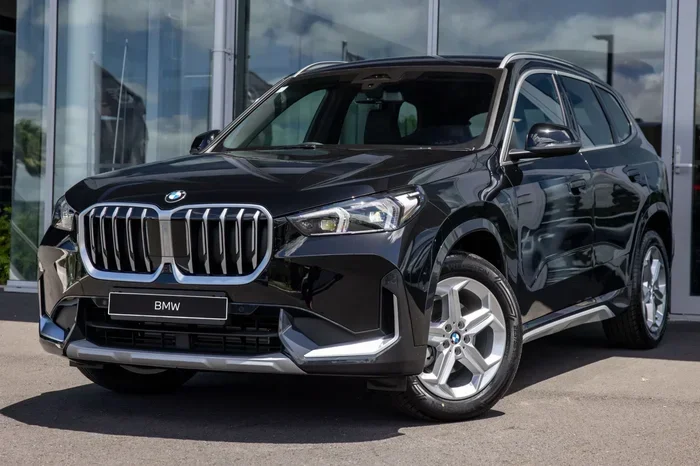
Visual guide about BMW X1 sDrive exterior
Image source: trademe.b-cdn.net
Weight Distribution and Balance
The sDrive X1 weighs roughly 3,700 lbs. That is about 150 lbs lighter than xDrive. The weight bias is roughly 60/40 front-to-rear. This creates natural understeer at the limit. If you enter a corner too hot, the front tires push wide. However, the electronic differential (EDLC) brakes the inside front wheel. This mimics a limited-slip diff. It rotates the car nicely.
Traction in Wet and Snow
This is the big worry for buyers. Modern traction control is incredible. The X1 sDrive uses brake-based torque vectoring. If a front wheel slips, the system brakes it instantly. Power goes to the gripping wheel. With a set of quality all-season tires (Michelin CrossClimate 2 are popular), the X1 sDrive handles rain and 4-6 inches of snow confidently. It will not climb an icy driveway like an xDrive. But for 90% of drivers, it is plenty.
Sport Mode and Suspension
Every X1 gets Selectable Drive Modes (Eco Pro, Comfort, Sport). Sport sharpens throttle response. It weights up the steering. It holds gears longer. The standard suspension is well-damped. It absorbs potholes but controls body roll. The optional M Sport suspension lowers the car 15mm. It firms up the ride. It is worth it if you drive back roads often.
Interior, Tech, and Cargo Space
One of the best things about the BMW X1 sDrive is that you lose nothing inside. The dashboard, seats, and cargo area are identical to the xDrive.
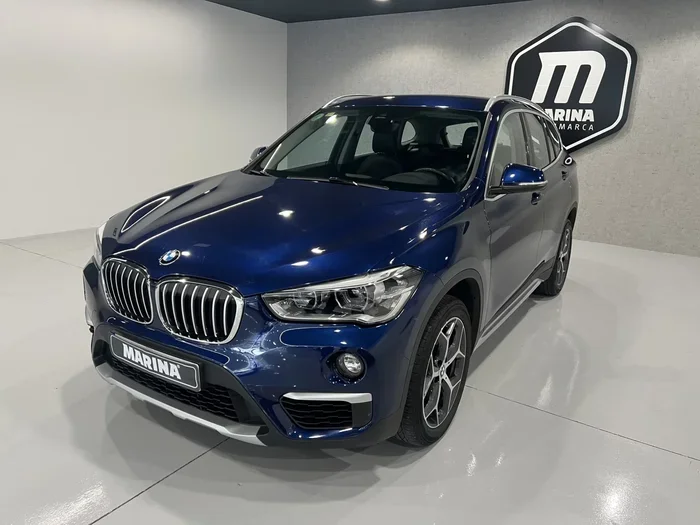
Visual guide about BMW X1 sDrive exterior
Image source: marinamultimarca.com
The Curved Display
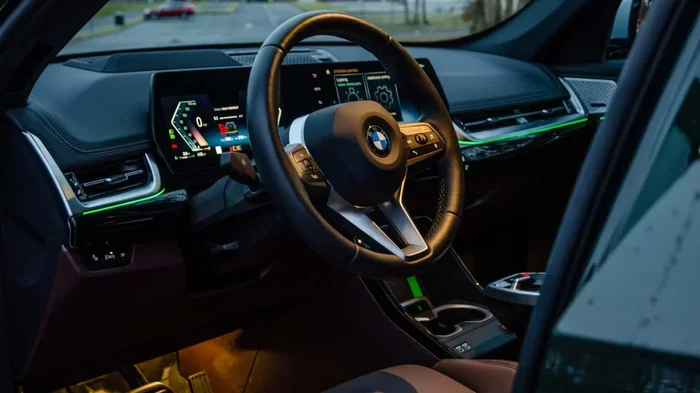
The centerpiece is the BMW Curved Display. It combines a 10.25-inch digital cluster and a 10.7-inch touchscreen. It runs iDrive 9. The software is snappy. Wireless Apple CarPlay and Android Auto are standard. The graphics are crisp. You can customize the gauge cluster views. It looks modern and expensive.
Materials and Build Quality
BMW upgraded the materials for this generation. The dashboard top is soft-touch. The doors get padded inserts. The switches feel solid. The “Veganza” simulated leather (standard) is convincing. Real leather (Vernasca) is optional. The fit and finish match the X3 now. It feels like a proper $40k+ SUV.
Space and Versatility
- Front Headroom: 40.4 inches
- Rear Legroom: 37.0 inches (best in class)
- Cargo Behind 2nd Row: 27.1 cubic feet
- Cargo Seats Folded: 57.2 cubic feet
The rear seats slide and recline (standard). They split 40/20/40. The load floor is low. There is a deep under-floor bin. It fits a carry-on suitcase upright. The wide tailgate opening makes loading easy.
Standard Features on sDrive28i
The base xLine trim is well-equipped:
- 18-inch wheels
- LED headlights and taillights
- Power tailgate
- Dual-zone climate control
- Keyless entry and push-button start
- Blind spot monitoring
- Lane departure warning
- Forward collision warning with pedestrian detection
BMW X1 sDrive vs xDrive: Which Should You Choose?
This is the million-dollar question. Let’s break it down side-by-side.
| Feature | X1 sDrive28i | X1 xDrive28i |
|---|---|---|
| Drivetrain | Front-Wheel Drive | All-Wheel Drive |
| 0-60 MPH | 6.2 seconds | 6.1 seconds |
| Curb Weight | ~3,704 lbs | ~3,858 lbs |
| MPG (Combined) | 28 | 26 |
| Starting MSRP (2025) | ~$39,600 | ~$41,600 |
| Ground Clearance | 7.2 inches | 7.2 inches |
| Towing Capacity | 2,000 lbs | 2,000 lbs |
The Case for sDrive
- Save $2,000 upfront. That buys a lot of winter tires.
- Better gas mileage. Saves $150-$200 per year in fuel.
- Lower maintenance. No transfer case, rear differential, or driveshaft to service.
- Sharper turn-in. Less weight over the nose means quicker steering response.
- Same space. Zero compromise on interior room.
The Case for xDrive
- Superior launch traction. 0-60 is slightly quicker in the wet.
- Deep snow/ice confidence. If you live in mountains or unplowed rural roads, get xDrive.
- Resale value. xDrive retains value slightly better in northern states.
- Peace of mind. “Set it and forget it” traction in all conditions.
Expert Verdict
If you live south of the Mason-Dixon line, or in a city where roads are plowed quickly, buy the sDrive. Put the savings toward a dedicated winter tire set if you see snow occasionally. A FWD car on winter tires outperforms an AWD car on all-seasons in braking and cornering. If you live in Colorado, Vermont, or the Upper Midwest, spend the extra money on xDrive. It is cheaper than a tow truck.
Reliability, Maintenance, and Ownership Costs
The BMW X1 sDrive is new (2023+), so long-term data is limited. However, the B48 engine and 7-speed DCT have years of history in the 2 Series, X2, and 3 Series. They are generally reliable.
Common Maintenance Items
- Oil Changes: Every 10,000 miles (BMW says 15k, do 10k). Use LL-01 FE 0W-20.
- Brake Fluid: Every 2 years.
- Coolant: Lifetime fill, but check level yearly. If you need to top off, use the correct spec. Read our guide on choosing the right coolant for your BMW.
- Transmission Fluid: DCT fluid is “lifetime” but enthusiasts change it at 60k miles.
- Spark Plugs: Every 60,000 miles.
- Cabin/Engine Air Filters: Every 20,000-30,000 miles.
Brakes and Tires
The sDrive is lighter on its front tires. Expect 35k-45k miles from a set of fronts. Rears last much longer. Rotate every 5k-7k miles if the wear is even (staggered fitments prevent rotation on M Sport models). Brake pads last 40k-50k miles. The X1 uses single-piston floating calipers front and rear. They are affordable to replace.
Run-flat tires come standard. They allow driving 50 miles at 50 mph after a puncture. They ride stiffer and cost more to replace. Many owners switch to non-run-flats and carry a mobility kit. If you keep run-flats, check our article on BMW run-flat tires design benefits and care.
Brake Fluid Specifics
BMW uses DOT 4 LV (Low Viscosity) fluid. It absorbs water slower. Do not use generic DOT 3 or standard DOT 4. The DSC module requires the low viscosity spec for rapid cycling. For more details, see selecting the ideal brake fluid for your BMW model.
Warranty Coverage
New X1 gets 4-year / 50,000-mile bumper-to-bumper. It includes free scheduled maintenance for 3 years / 36,000 miles (oil, filters, brake fluid). This covers the first two oil changes and one brake fluid flush. It is a nice perk that lowers early ownership cost.
Trim Levels and Options: Building Your Ideal X1 sDrive
The 2025 X1 sDrive28i comes in two main trims: xLine and M Sport.
xLine (Base)
Starts around $39,600. It gets 18-inch wheels, roof rails, power seats with driver memory, and the curved display. It looks elegant with chrome window trim. It rides the softest. It is the best value pick.
M Sport
Adds ~$3,500. You get 19-inch wheels (20s optional), M Sport suspension (lowered), M steering wheel, Shadowline exterior trim (blacked out), M Sport seats (bolstered, adjustable thigh support), and Anthracite headliner. It looks aggressive. The ride is firm. The seats are the highlight—they hold you better in corners.
Key Packages to Consider
- Premium Package: Heated front seats, heated steering wheel, head-up display, Harman Kardon audio, wireless charging pad, digital key plus. Highly recommended. The HUD and heated wheel are daily joys.
- Driving Assistance Package: Adaptive cruise with stop-and-go, active lane keeping, traffic jam assist (hands-off at low speeds), evasion aid. Worth it for highway commuters.
- Parking Assistance Package: Surround view cameras, automated parking, remote 3D view on phone. Nice in tight cities.
Standalone Options
- Panoramic Moonroof: $1,000. Big glass, lets light in. Reduces headroom slightly for tall rear passengers.
- Vernasca Leather: $1,450. Real leather. Breathes better than Veganza.
- 20-inch M Wheels: $650. Look great, ride harsher, expensive tires.
Buying Used: What to Look For (2023-2024 Models)
Used X1 sDrive models are hitting the market now. Off-lease units offer savings of $5k-$8k off MSRP. Here is a checklist.
Certified Pre-Owned (CPO) vs Non-CPO
BMW CPO adds 1 year / unlimited miles after the factory warranty expires. It covers major components. It costs $1,500-$2,500 more. Buy CPO. The electronics on iDrive 9 are complex. A screen or module failure pays for the CPO fee instantly. Learn more about BMW CPO warranty essential coverage.
Inspection Checklist
- Software Updates: Verify all iDrive 9 campaigns are done. Early cars had glitchy wireless CarPlay.
- Transmission Behavior: Test drive cold. DCT should engage smoothly. No jerking at 5-10 mph.
- Tire Condition: Check for uneven wear (alignment issue) and manufacture date (tires age out at 6 years).
- Brake Rotors: Look for lip on outer edge. Indicates pad life remaining.
- Accident History: Run Carfax/AutoCheck. Check panel gaps and paint meter readings.
Model Year Changes
- 2023: Launch year. New platform, new engine, new iDrive 9.
- 2024: Minor feature shuffles. Standard wireless charging on Premium Package.
- 2025: New “M Sport Professional” package (red brakes, M seat belts). Price increase ~$1,000.
If you want to know which BMWs last the longest, check our list of the most reliable BMW models for longevity. The X1 is too new for that list, but the B48 engine has a strong track record.
Competitors: How the X1 sDrive Stacks Up
The segment is fierce. Here is how the BMW X1 sDrive compares to key rivals.
vs. Audi Q3 40 TFSI (FWD)
The Q3 is the closest rival. It uses a 2.0T with 184 hp (lower tune) or 228 hp (higher tune). The BMW is faster. The Audi has a nicer standard virtual cockpit. The BMW has more rear space. The Audi rides better on bad pavement. The BMW handles better. Interior quality is a tie. The Q3 starts slightly cheaper.
vs. Mercedes GLA 250 (FWD)
The GLA uses a 2.0T with 221 hp and 8-speed DCT. It is slower than the X1. The MBUX infotainment is excellent (better voice control). The GLA feels more “luxury,” less “sport.” Rear seat space is tighter. The X1 is the driver’s choice. The GLA is the passenger’s choice.
vs. Volvo XC40 B4 (FWD Mild Hybrid)
The XC40 is older (due for redesign). It has a 2.0L mild hybrid with 197 hp. It is slowest of the bunch. Safety tech is top-tier. Seats are the best in class for comfort. Cargo space is less. Reliability reputation is mixed. The X1 feels more modern and quicker.
vs. Lexus UX 200 (FWD)
The UX 200 has a 2.0L naturally aspirated engine (169 hp) and CVT. It is slow. It gets great MPG (29 combined). Reliability will be best in class. Interior is quirky (trackpad mouse). Rear space is tiny. Cargo is tiny. The X1 destroys it on space and performance. The UX wins on peace of mind.
vs. Acura Integra / Honda CR-V (Wild Cards)
The Integra A-Spec Tech is a hatchback sedan. It shares the Civic Si powertrain (200 hp, 1.5T, 6MT or CVT). It is cheaper, sportier, but less SUV utility. The CR-V Hybrid is the volume seller. It gets 40 MPG, has huge space, costs $5k less. It lacks the badge and the driving dynamics. The X1 sits in a sweet spot: genuine luxury feel, real speed, practical shape.
Frequently Overlooked Details
Ground Clearance and Approach Angles
Both sDrive and xDrive have 7.2 inches of clearance. The approach angle is 18.5 degrees. Departure is 22.5 degrees. This is decent for a crossover. You can handle gravel roads and deep driveway dips. Do not attempt serious off-roading. The front bumper lip scrapes easily on the M Sport.
Towing Capacity
Both drivetrains rate at 2,000 lbs (braked). Tongue weight limit is 176 lbs. This covers a small jet ski trailer, a tiny teardrop camper, or a utility trailer with a motorcycle. You need the factory tow hitch ($550 port installed) and 7-pin wiring. The DCT handles towing well in Sport mode (locks 6th/7th gear).
Digital Key Plus
Optional on Premium Package. Uses Ultra-Wideband (UWB). You walk up, door unlocks. You place phone in tray, car starts. No key fob needed. Works with iPhone 11+ and newer Androids. You can share keys via iMessage with time limits. It is very cool tech that works reliably.
Remote Software Upgrades
BMW pushes over-the-air (OTA) updates. The car downloads them on your home Wi-Fi or BMW’s LTE. Updates add features (new apps, gauge themes) and fix bugs. Keep the car connected to Wi-Fi overnight weekly.
Final Thoughts: Is the BMW X1 sDrive the Right Car for You?
The BMW X1 sDrive is a remarkable package. It proves you do not need all-wheel drive to enjoy a BMW SUV. You get 95% of the experience for 90% of the price. The front-wheel-drive platform delivers class-leading space. The B48 engine is a gem. The dual-clutch transmission snaps off shifts. The tech interface is best-in-class.
Who should buy it? The urban dweller. The suburban commuter. The snow-belt driver willing to buy winter tires. The enthusiast who wants the sharpest steering. The value seeker who wants a loaded luxury SUV under $45k.
Who should skip it? The mountain resident with a steep, unplowed driveway. The buyer towing near the limit in wet conditions. The purist who demands rear-wheel-drive proportions (look at a used X1 2015-2022). The badge snob who thinks “real BMWs” must have xDrive.
For everyone else, the what car bmw x1 sdrive answer is simple: it is the smart buy. It is the sweet spot of the lineup. You save money upfront. You save money at the pump. You save weight for better handling. And you still get that BMW driving feel every time you turn the wheel. Test drive one back-to-back with an xDrive. You might be surprised how little you miss the extra driven wheels.