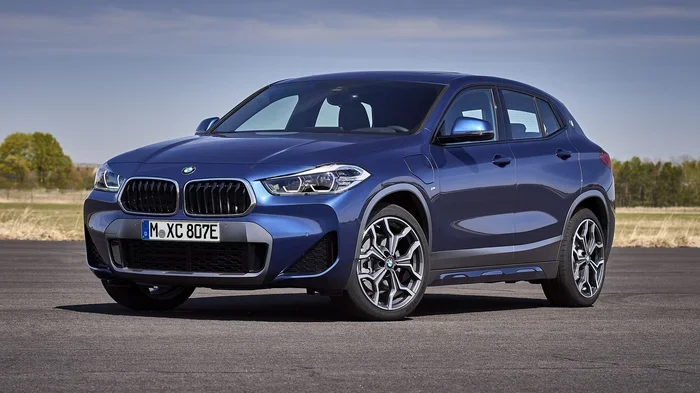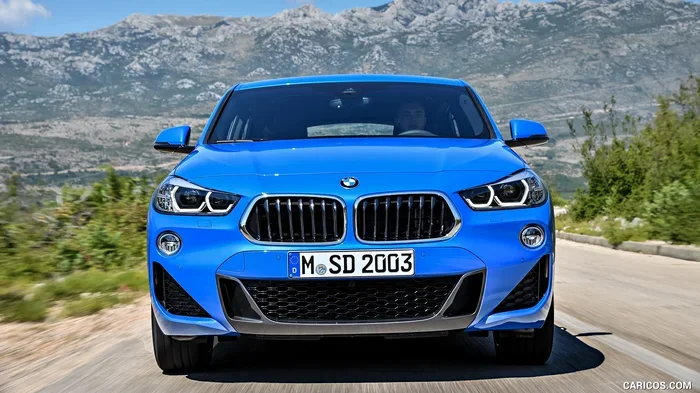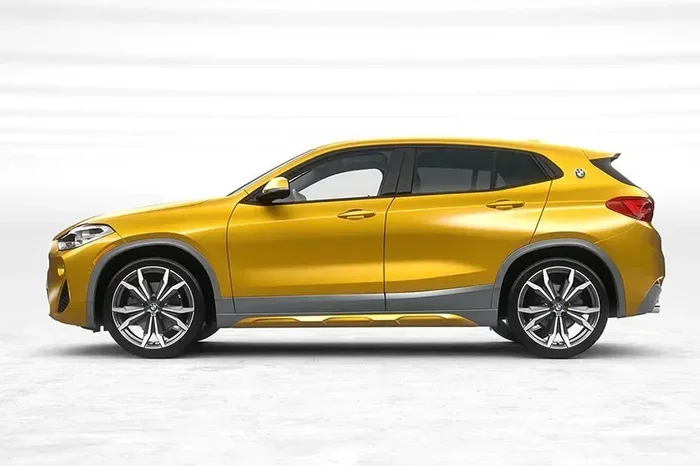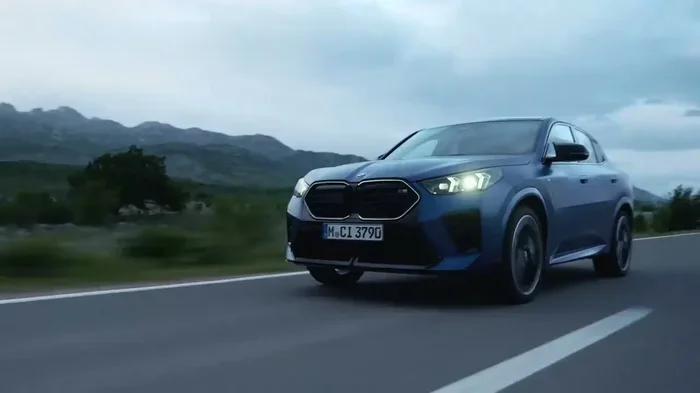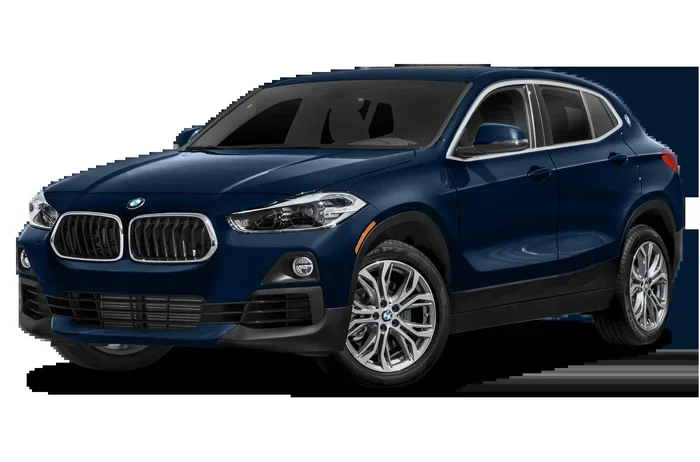
Featured image for BMW X2 sDrive28i exterior
Image source: platform.cstatic-images.com
Yes, the BMW X2 sDrive28i is front-wheel drive (FWD). This compact luxury crossover uses BMW’s sDrive system to send power exclusively to the front wheels via a 2.0L turbo engine and 8-speed automatic. It offers sporty handling, strong acceleration, and better fuel economy than its all-wheel-drive xDrive sibling, making it a smart pick for drivers in mild climates.
Shopping for a compact luxury SUV often leads to a critical question: is BMW X2 sDrive28i FWD? The short answer is yes. The “sDrive” nomenclature is BMW’s specific label for their two-wheel-drive systems. On the X2, which shares its platform with the Mini Countryman and BMW X1, this means power routes solely to the front wheels. This distinction defines the car’s character, price point, and ideal use case. We will break down exactly what this means for your daily drive, your wallet, and your winter commute.
Many buyers assume every BMW offers all-wheel drive. That is not true. The X2 lineup splits clearly between sDrive (FWD) and xDrive (AWD). Understanding this difference is the first step to picking the right trim. We will cover the mechanical layout, performance numbers, fuel economy, handling quirks, and how it stacks up against rivals like the Audi Q3 and Mercedes GLA. By the end, you will know if the sDrive28i fits your lifestyle or if you should stretch for the xDrive version.
Key Takeaways
- Drivetrain Confirmation: The “sDrive” badge explicitly means front-wheel drive on the X2 sDrive28i.
- Powertrain Specs: It features a 2.0-liter TwinPower Turbo inline-4 engine producing 228 horsepower and 258 lb-ft of torque.
- Performance Edge: The FWD layout reduces weight and mechanical drag, resulting in quicker 0-60 times and better MPG than xDrive models.
- Handling Character: Expect sharp turn-in and torque steer under hard acceleration, typical of powerful FWD cars.
- Ideal Climate Fit: Best suited for regions without heavy snow or ice; winter tires are essential for cold climates.
- Cost Savings: Lower purchase price, reduced maintenance complexity, and better fuel efficiency lower total ownership costs.
- Naming Logic: Understanding BMW vehicle designations helps decode sDrive vs xDrive instantly.
📑 Table of Contents
- What Does sDrive Actually Mean on the BMW X2?
- Performance and Driving Dynamics of the FWD X2
- sDrive28i vs xDrive28i: The Critical Comparison
- Interior, Tech, and Practicality: Does FWD Change Anything?
- Reliability, Maintenance, and Ownership Costs
- Winter Driving: The Elephant in the Room
- Buying Guide: New vs Used, Packages to Get
- Competitor Comparison: How the FWD X2 Stacks Up
- Common Modifications and Upgrades for the sDrive28i
- Frequently Asked Questions
- Conclusion
What Does sDrive Actually Mean on the BMW X2?
BMW uses a simple naming convention. xDrive equals all-wheel drive. sDrive equals two-wheel drive. On the X2, sDrive specifically means front-wheel drive. This is because the X2 sits on the FAAR platform (Front-wheel Drive Architecture AR). This architecture is designed primarily for transverse engine mounting and front-wheel drive. The all-wheel-drive version simply adds a driveshaft and rear differential to this base setup.
So, when you see BMW X2 sDrive28i on the trunk lid, you are looking at a front-wheel-drive vehicle. There is no center differential, no rear driveshaft, and no rear axle disconnect. It is a pure FWD layout. This saves weight, reduces complexity, and frees up interior space. It also lowers the manufacturing cost, which BMW passes on to you as a lower MSRP compared to the xDrive28i.
The Platform Context: FAAR Architecture
The X2 (F39 generation, 2018-2023) and the current U10 generation (2024+) both use front-drive-based platforms. The FAAR platform underpins the X1, X2, 1 Series, 2 Series Gran Coupe, and Mini models. This platform was engineered from the ground up for transverse engines. The front-wheel-drive version is the “native” configuration. The xDrive system is an add-on module (a power take-off unit on the transmission sending power to a rear differential via a driveshaft).
This matters because the sDrive28i is not a compromised AWD car with the rear shaft removed. It is the base engineering intent. The suspension geometry, steering rack, and weight distribution are all tuned for FWD dynamics. This often results in a more predictable, lighter steering feel compared to the heavier, nose-heavy xDrive variant.
Decoding the “28i” Badge
The “28i” part tells you about the engine. Despite the number, it does not mean a 2.8-liter engine. It signifies the output tier. The sDrive28i uses the B48 2.0-liter TwinPower Turbo inline-four cylinder engine. It produces 228 horsepower (231 hp in newer 2023+ models) and 258 lb-ft of torque. This engine pairs exclusively with an 8-speed Steptronic automatic transmission. It is a proven, reliable powertrain found across the BMW lineup. If you want to understand the full naming logic, our guide on decoding BMW vehicle designations explains the whole system perfectly.
Performance and Driving Dynamics of the FWD X2
Does front-wheel drive ruin the “Ultimate Driving Machine” promise? Not at all. The X2 sDrive28i is genuinely quick and fun. The 2.0L turbo delivers strong low-end torque. Peak torque arrives at just 1,450 rpm and holds until 4,500 rpm. This means instant response when you tip into the throttle. The 8-speed automatic shifts quickly and smoothly, keeping the engine in its sweet spot.
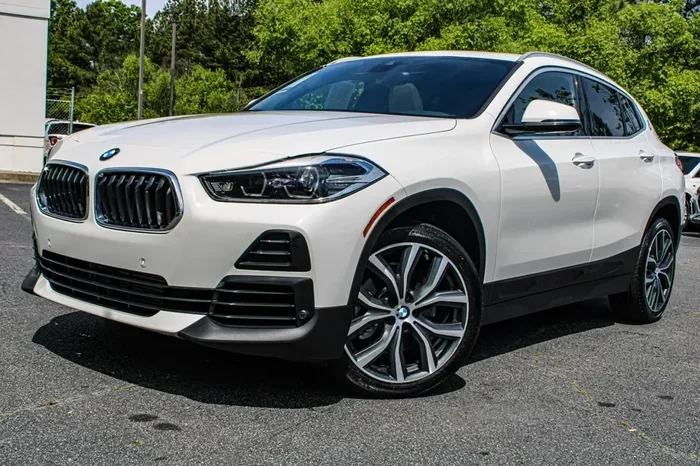
Visual guide about BMW X2 sDrive28i exterior
Image source: static.overfuel.com
Acceleration and Speed
Because the sDrive28i lacks the heavy AWD hardware, it is lighter. Curb weight sits around 3,500 lbs (approx. 1,587 kg) versus roughly 3,700 lbs for the xDrive. This weight saving shows up in the numbers. The sDrive28i hits 60 mph in about 6.3 to 6.5 seconds. The xDrive28i, despite the traction advantage off the line, often matches or barely beats this due to the weight penalty (around 6.2 seconds). In rolling starts (5-60 mph), the lighter sDrive often pulls harder.
Top speed is electronically limited to 130 mph (210 km/h) on all-season tires, or 150 mph (240 km/h) with the optional performance tires and M Sport package. The engine feels strong well past legal limits. It sounds decent too, with a synthesized engine note pumped through the speakers (Active Sound Design), though purists can turn this off in the iDrive settings.
Handling: Torque Steer and Turn-In
This is where FWD shows its colors. With 258 lb-ft of torque going through the front tires, you will feel torque steer. If you floor it from a stop or mid-corner, the steering wheel may tug left or right slightly. The electric power steering (EPS) filters some of this, but it remains noticeable during spirited driving. It is not dangerous, just a characteristic of high-power FWD.
The upside? The front end turns in sharply. Without a heavy front differential and driveshafts, the nose feels light and eager. The X2 has a relatively wide track and low center of gravity for an SUV. It corners flat with minimal body roll, especially with the M Sport suspension (standard on M Sport trim, optional otherwise). It feels more like a hot hatch than a tall crossover. Many enthusiasts actually prefer the sDrive for track days or autocross because it rotates better and saves tire wear on the rear.
Fuel Economy: The FWD Advantage
This is a major win for the sDrive28i. The EPA rates the 2023 X2 sDrive28i at 24 mpg City / 32 mpg Highway / 27 mpg Combined. The xDrive28i drops to 23/30/26. That 1-2 mpg combined difference adds up over years. Over 15,000 miles a year, you save roughly 30-50 gallons of fuel. The sDrive also runs on regular unleaded (87 octane) per the owner’s manual, though BMW recommends 91+ for peak performance. Using 87 saves money but reduces output slightly and may cause minor knocking under heavy load.
sDrive28i vs xDrive28i: The Critical Comparison
Choosing between these two is the biggest decision for an X2 buyer. Here is a detailed breakdown to help you decide.
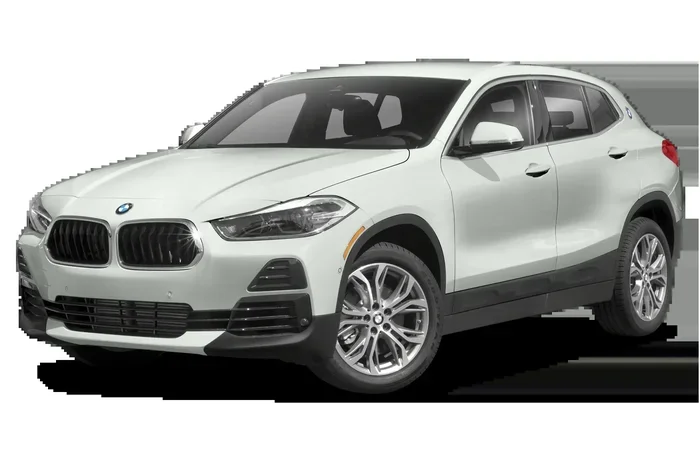
Visual guide about BMW X2 sDrive28i exterior
Image source: platform.cstatic-images.com
| Feature | X2 sDrive28i (FWD) | X2 xDrive28i (AWD) |
|---|---|---|
| Drivetrain | Front-Wheel Drive | All-Wheel Drive (Open diffs + brake vectoring) |
| Curb Weight | ~3,505 lbs | ~3,715 lbs |
| 0-60 mph | ~6.4 sec | ~6.2 sec |
| EPA Combined MPG | 27 mpg | 26 mpg |
| Starting MSRP (Approx) | Lower (~$1,500-$2,000 less) | Higher |
| Snow/Ice Capability | Good with Winter Tires | Excellent with All-Seasons; Best with Winters |
| Maintenance Complexity | Lower (No rear diff, PTU, driveshaft) | Higher (Extra fluids, seals, components) |
| Tire Wear | Front tires wear faster | More even (with rotations) |
| Towing Capacity | Not Rated / Low | 2,000 lbs (with tow package) |
When to Choose sDrive (FWD)
- You live in the Sun Belt, West Coast, or areas with rare snow.
- You prioritize purchase price and long-term running costs.
- You want the best fuel economy.
- You prefer sharper, lighter handling and don’t mind torque steer.
- You never tow anything.
- You plan to run a dedicated set of BMW run-flat tires or summer tires in warm months and winter tires in cold months.
When to Choose xDrive (AWD)
- You face regular snow, ice, or unplowed roads.
- You have a steep driveway or live on a dirt/gravel road.
- You want maximum launch traction (though the difference is small).
- You need the 2,000 lb towing capacity.
- You want higher resale value in northern markets (AWD commands a premium there).
- You prefer “set it and forget it” traction in all conditions.
Interior, Tech, and Practicality: Does FWD Change Anything?
One myth is that FWD ruins interior space. On the X2, the opposite is true. Because there is no driveshaft tunnel running down the center of the car, the rear floor is nearly flat. The center console doesn’t need to be as wide to clear a transmission tunnel. This gives the X2 surprisingly good rear legroom and a usable middle seat for a compact coupe-SUV.
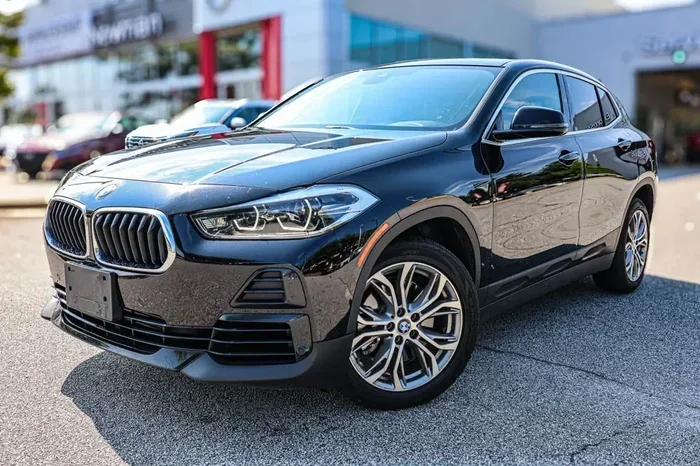
Visual guide about BMW X2 sDrive28i exterior
Image source: static.overfuel.com
Cargo Space
Cargo volume is identical between sDrive and xDrive: 21.6 cubic feet behind the rear seats and 50.1 cubic feet with seats folded. The load floor height is the same. The spare tire well (or tire repair kit on run-flat equipped cars) is unchanged. You lose zero utility by choosing FWD.
Technology and Features
Drivetrain does not dictate trim features. You can option an sDrive28i with every bell and whistle: Head-Up Display, Harman Kardon audio, Parking Assistant Plus, Adaptive LED headlights, and the M Sport package. The iDrive 8 system (on 2023+ models) or iDrive 7 (2018-2022) works identically. Wireless Apple CarPlay and Android Auto are standard on newer models.
Reliability, Maintenance, and Ownership Costs
Front-wheel drive simplifies the mechanical equation. Fewer moving parts mean fewer things to break. This is a significant factor if you plan to keep the car past the warranty period (4 years / 50,000 miles).
Drivetrain Durability
The B48 engine is robust. The 8-speed Aisin transmission (GA8F22AW) is widely regarded as bulletproof with proper fluid changes. On the sDrive, you eliminate the Power Transfer Unit (PTU), rear differential, rear driveshaft, and associated seals and fluids. The PTU on xDrive models can leak fluid; the rear diff requires fluid changes every ~60k miles. The sDrive avoids all of this.
Common issues on the X2 platform (regardless of drive) include:
- Coolant leaks (water pump, thermostat housing, expansion tank).
- Oil filter housing gasket leaks.
- Valve cover gasket leaks.
- Electrical gremlins (sensors, window regulators).
- Run-flat tire sidewall bubbles from potholes.
Sticking to the maintenance schedule is vital. Using the correct fluids is non-negotiable. For example, using the wrong coolant causes severe damage. Read our guide on choosing the right coolant for your BMW to avoid costly mistakes. The same applies to brake fluid; the X2 uses DOT 4 LV (Low Viscosity). Check our article on selecting the ideal brake fluid for specifics.
Tire Considerations
FWD cars wear front tires much faster than rears. The X2 sDrive28i puts all driving, steering, and braking forces on the front axle. Expect to replace front tires at 20k-25k miles if you drive spiritedly. Rear tires may last 40k+. You cannot rotate tires on many X2s because they often come with staggered fitments (wider rear tires) or directional tires. If you have a square setup (same size all corners), rotate every 5,000-7,500 miles. Budget for tires accordingly. High-performance summer tires offer amazing grip but wear fast and are useless in snow.
Long-Term Reliability Outlook
Overall, the X2 sDrive28i ranks average to above average for reliability in its class. It is less complex than German AWD rivals. If you maintain it well—oil changes every 7,500 miles (not the 10k-15k BMW CBS interval), fluid changes at intervals, and quality fuel—it will easily surpass 150,000 miles. For a broader look at brand longevity, see our analysis on identifying the most reliable BMW models.
Winter Driving: The Elephant in the Room
This is the #1 concern for FWD buyers in cold climates. Can the X2 sDrive28i handle winter? Yes, with the right tires. A FWD car on four dedicated winter tires (like Bridgestone Blizzak WS90 or Michelin X-Ice Snow) outperforms an AWD car on all-season tires in every metric: acceleration, braking, and cornering on snow and ice.
The Winter Tire Mandate
If you buy an sDrive28i in a snow state, budget $1,000-$1,500 for a winter wheel/tire package immediately. Run 17-inch or 18-inch wheels (check brake clearance) with narrow, tall sidewall winter tires. This setup cuts through snow and grips ice. The X2’s stability control (DSC) is excellent at managing wheel spin. It brakes the spinning wheel and routes torque to the gripping wheel electronically. It works remarkably well.
Ground Clearance
The X2 has low ground clearance (~6.5 inches). This is the real limiter in deep snow, not the driven wheels. If you regularly face 8+ inches of unplowed snow, the X2 (sDrive or xDrive) will high-center. In that case, you need an X3, X5, or a Subaru. For plowed roads and 3-5 inches of snow, the sDrive with winters is perfectly competent.
Buying Guide: New vs Used, Packages to Get
Generations Overview
- F39 (2018–2023): First generation. Distinctive coupe styling. iDrive 7. Mechanical instrument cluster (mostly). B48 engine. Reliable, but early 2018 models had some teething issues (software, coolant). 2020+ received minor updates (LED headlights standard, Android Auto added).
- U10 (2024+): Second generation. Larger, boxier, more upright. iDrive 9 / OS9 curved screen. 48V mild hybrid system on 28i (adds ~18 hp electric boost). Only xDrive28i sold in USA for 2024/2025 model years. Critical Note: BMW dropped the sDrive28i from the US market for the new generation. If you want a new FWD X2, you must buy a leftover 2023 F39 or look at the X1 sDrive28i (which continues).
Must-Have Packages (F39 Generation)
- M Sport Package: Essential. Adds 19″ wheels (or 18″), sport seats, M steering wheel, sport suspension, aerodynamic kit, shadowline trim. Transforms the look and feel. High resale value retention.
- Premium Package: Heated seats, heated steering wheel, head-up display, ambient lighting, power tailgate, auto-dimming mirrors. Highly recommended for comfort.
- Driving Assistance Package: Adaptive cruise with stop-and-go, lane keeping, traffic jam assist. Makes highway commuting effortless.
- Parking Assistant Plus: 360 camera, auto park. Very useful for a car with thick C-pillars and small rear window.
Colors and Interior Combos
Exterior: Misano Blue, Sunset Orange, Galvanic Gold, and Alpine White pop on the X2. Black Sapphire hides the coupe lines. Interior: Magma Red Sensatec (leatherette) looks stunning with M Sport. Black is safe. Mocha Vernasca leather is classy but shows dirt. Avoid cloth seats (rare on 28i) if resale matters.
Competitor Comparison: How the FWD X2 Stacks Up
The compact luxury crossover segment is fierce. Here is how the X2 sDrive28i compares to its direct FWD-based rivals.
| Model | Drivetrain Base | HP / Torque | 0-60 (sec) | Cargo (seats up) | Starting Price (Approx) |
|---|---|---|---|---|---|
| BMW X2 sDrive28i | FWD | 228 / 258 | 6.4 | 21.6 cu ft | $38,000 |
| Audi Q3 40 TFSI | FWD | 184 / 221 | 7.3 | 23.7 cu ft | $37,000 |
| Mercedes GLA 250 | FWD | 221 / 258 | 6.8 | 15.4 cu ft | $38,000 |
| Volvo XC40 B4 (FWD) | FWD | 197 / 221 | 7.5 | 20.7 cu ft | $37,000 |
| Lexus UX 250h (FWD Hybrid) | FWD | 181 Combined | 8.6 | 21.7 cu ft | $36,000 |
The Verdict on Rivals
The BMW X2 sDrive28i is the performance leader in the FWD segment. It has the most torque, quickest acceleration, and sharpest handling. The Audi Q3 feels softer and slower but has a better rear seat and more cargo space. The Mercedes GLA 250 matches torque but feels heavier and has significantly less cargo room. The Volvo XC40 offers great safety and style but lacks the driving engagement. The Lexus UX 250h wins on MPG (39 combined) but is slow and has a quirky infotainment interface.
If driving dynamics matter, the X2 wins. If rear passenger space or cargo volume is priority #1, look at Q3 or GLA. Note: The X2’s sloping roofline cuts rear headroom. Adults over 6’0″ will brush the headliner.
Common Modifications and Upgrades for the sDrive28i
Owners love to tune these cars. The B48 engine responds very well to software.
Stage 1 Tune (Software Only)
A reputable flash tune (BM3, MHD, JB4 piggyback, Dinan) adds ~40-50 hp and 50-60 lb-ft torque. Cost: $400-$800. This pushes the sDrive28i into the 270+ hp range. 0-60 drops to high 5s. Warning: This increases torque steer significantly. Traction becomes the limiting factor in 1st and 2nd gear. Upgraded tires (Michelin Pilot Sport 4S or Continental ExtremeContact Sport 02) become mandatory. Also, tunes void the powertrain warranty if detected.
Handling Upgrades
- Rear Sway Bar: The F39 X2 has a hollow rear sway bar (or none on non-M Sport). A solid 22mm or 24mm rear bar (from vendors like H&R, Whiteline, or M Performance) reduces understeer dramatically. It makes the car rotate on throttle lift. Best bang-for-buck handling mod.
- Lowering Springs / Coilovers: H&R or Eibach springs drop the car 1-1.5″. Improves center of gravity. Ride stays compliant on stock shocks. Coilovers (KW, Bilstein) allow damping adjustment but cost $2k+.
- Strut Tower Brace: Sharpens steering response. Cosmetic engine bay upgrade too.
Brakes
Stock brakes are adequate for street. For track days, upgrade pads (Hawk HP+, Ferodo DS2500) and high-temp fluid (Motul RBF 600/660). The X2 shares front calipers with many BMWs, so big brake kits (BBK) from 340i/M2/M3 fit with adapters.
Frequently Asked Questions
Is the BMW X2 sDrive28i front wheel drive?
Yes, the BMW X2 sDrive28i is front-wheel drive. The “sDrive” designation is BMW’s terminology for two-wheel drive, and on the X2 platform, this means power is sent exclusively to the front wheels.
What is the difference between sDrive28i and xDrive28i?
The sDrive28i is front-wheel drive (FWD) while the xDrive28i is all-wheel drive (AWD). The sDrive is lighter, cheaper, more fuel-efficient, and faster in a straight line, but the xDrive offers superior traction in snow, ice, and loose surfaces, plus a 2,000 lb towing capacity.
Can the BMW X2 sDrive28i drive in snow?
Yes, it drives well in snow provided you install four dedicated winter tires. A FWD car with winter tires stops and corners better on ice than an AWD car on all-season tires. Ground clearance (6.5 inches) is the limiting factor in deep unplowed snow.
Does the BMW X2 sDrive28i have a timing chain or belt?
The B48 2.0L engine in the X2 sDrive28i uses a timing chain. It is designed to last the life of the engine, though some owners replace it preventatively at high mileage (100k+ miles) along with the chain guides and tensioner.
What is the fuel requirement for the X2 sDrive28i?
BMW recommends 91 octane (Premium) for optimal performance and fuel economy. The engine will run safely on 87 octane (Regular) due to knock sensor retardation, but you will lose horsepower and potentially see slightly lower MPG.
Is the BMW X2 sDrive28i reliable?
Yes, it is generally reliable. The B48 engine and Aisin 8-speed transmission are proven units. The FWD layout removes complex AWD components (PTU, rear diff), reducing potential failure points. Common issues are typical BMW items: coolant leaks, oil leaks, and electrical sensors. Strict maintenance ensures longevity.
Conclusion
So, is BMW X2 sDrive28i FWD? Absolutely. And for the right buyer, that is its greatest strength. You get the sportiest handling in the segment, the best fuel economy, the lowest purchase price, and the simplest maintenance profile. You lose nothing in interior space or feature availability. The only true compromise is low-traction acceleration in severe winter weather—a problem solved by a set of winter tires.
If you live where it snows once a year, or you have a second car for blizzards, the sDrive28i is the enthusiast’s choice. It feels lighter, turns sharper, and puts a bigger smile on your face on a back road. It proves that you don’t need all-wheel drive to have a proper BMW experience. Just keep up with the oil changes, watch the coolant, and enjoy the torque steer. It’s part of the character.