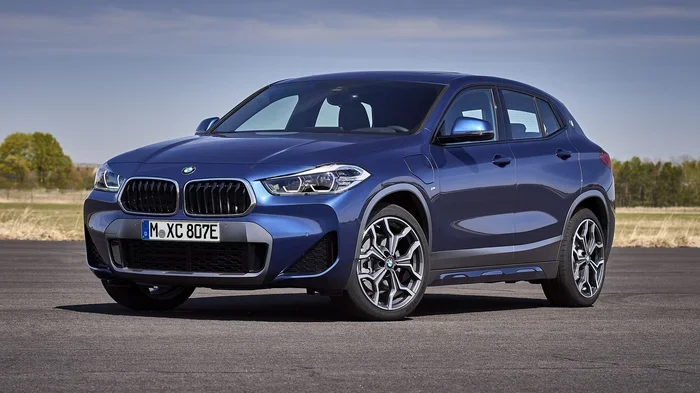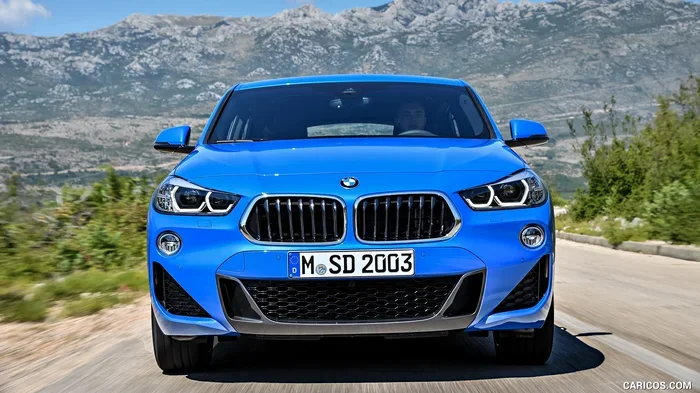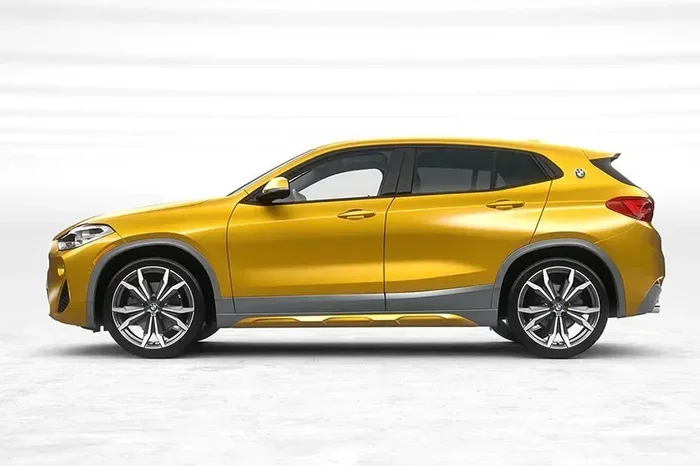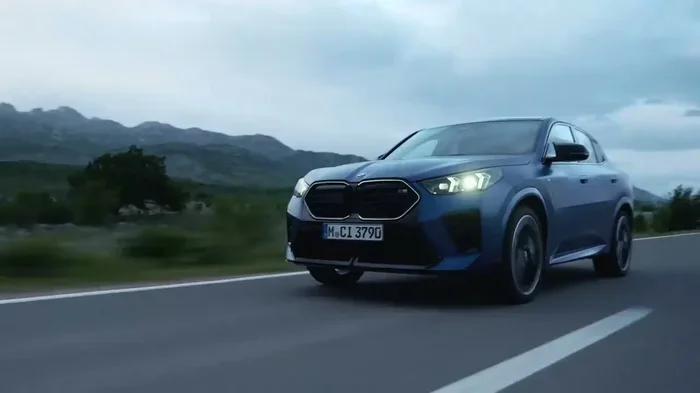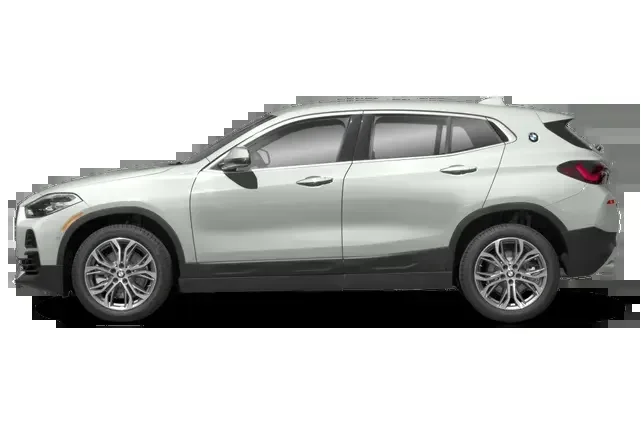
Featured image for BMW X2 SUV side profile
Image source: platform.cstatic-images.com
What is the difference between sDrive28i and xDrive28i on the BMW X2? The sDrive28i uses front‑wheel drive, while the xDrive28i adds all‑wheel drive for better traction. Both share the same 2.0‑liter turbo engine, but the xDrive model is slightly heavier, uses more fuel, and costs a bit more.
If you are shopping for a compact luxury crossover, you have probably asked what is the difference between sDrive28i and xDrive28i on the BMW X2. The short answer is drivetrain. The sDrive28i sends power to the front wheels only. The xDrive28i adds BMW’s intelligent all‑wheel‑drive system. Everything else – engine, transmission, interior, tech – stays the same.
Understanding that core difference helps you decide which trim fits your daily drive, budget, and climate. In this guide we break down every spec, real‑world feel, and ownership cost so you can pick with confidence.
Key Takeaways
- Drivetrain: sDrive28i is front‑wheel drive; xDrive28i is all‑wheel drive.
- Weight: xDrive28i adds roughly 150 lb due to the AWD hardware.
- Performance: Both hit 60 mph in about 6.3 seconds; xDrive is a tick quicker off the line.
- Fuel Economy: sDrive28i earns about 24/33 mpg city/highway; xDrive28i drops to 22/31 mpg.
- Price: xDrive28i starts around $2,000 more than the sDrive28i.
- Best For: Choose sDrive for lower cost and better mileage; choose xDrive for snow, rain, or light off‑road confidence.
📑 Table of Contents
- What Is the Difference Between sDrive28i and xDrive28i on the BMW X2?
- Performance Comparison Table
- Driving Dynamics and Daily Usability
- Cost of Ownership: Maintenance, Insurance, Resale
- Quick Tips for Choosing the Right X2 Trim
- Common Mistakes Buyers Make
- Expert Insights: What BMW Engineers Say
- Final Thoughts
What Is the Difference Between sDrive28i and xDrive28i on the BMW X2?
Drivetrain Basics: Front‑Wheel Drive vs All‑Wheel Drive
The sDrive28i uses a front‑wheel‑drive layout. Power goes to the front axle through an 8‑speed automatic. The xDrive28i adds a multi‑plate clutch that can send up to 100 % of torque to the rear wheels when slip is detected. This system is the same xDrive hardware found on larger BMW SUVs.
Because the xDrive system adds a transfer case, driveshaft, and rear differential, the xDrive28i weighs about 150 lb more. That extra mass shows up in fuel numbers and handling feel.
Weight and Dimensions
Both trims share the same wheelbase (105.1 in) and overall length (176.5 in). The only dimensional change is the slight increase in curb weight for xDrive. The sDrive28i tips the scales at roughly 3,560 lb, while the xDrive28i sits near 3,710 lb.
Performance Numbers
Both models use the same 2.0‑liter TwinPower Turbo four‑cylinder making 228 hp and 258 lb‑ft of torque. The 0‑60 mph sprint is nearly identical: 6.3 seconds for sDrive, 6.2 seconds for xDrive. The all‑wheel‑drive version feels a touch more planted during hard launches because torque is split front‑to‑rear.
Fuel Economy
The EPA rates the sDrive28i at 24 mpg city / 33 mpg highway. The xDrive28i returns 22 mpg city / 31 mpg highway. Over a 15,000‑mile year, that difference can add up to roughly 100 gallons of fuel.
Pricing and Value
Starting MSRP for the 2024 BMW X2 sDrive28i is about $38,500. The xDrive28i starts near $40,500. The $2,000 premium buys you the AWD hardware, a slightly higher towing rating (1,500 lb vs 1,200 lb), and a bit more confidence in low‑traction situations.
Performance Comparison Table
| Feature | sDrive28i | xDrive28i |
|---|---|---|
| Drivetrain | Front‑wheel drive | All‑wheel drive (xDrive) |
| Curb Weight | ~3,560 lb | ~3,710 lb |
| 0‑60 mph | 6.3 sec | 6.2 sec |
| EPA City / Highway | 24 / 33 mpg | 22 / 31 mpg |
| Starting MSRP | $38,500 | $40,500 |
| Towing Capacity | 1,200 lb | 1,500 lb |
| Traction Modes | Standard DSC | DSC + xDrive torque vectoring |
Driving Dynamics and Daily Usability
City Driving
In tight urban streets the lighter sDrive28i feels more nimble. The steering is crisp, and the front‑wheel‑drive layout reduces understeer at low speeds. Parking is easy because the front wheels do all the work.
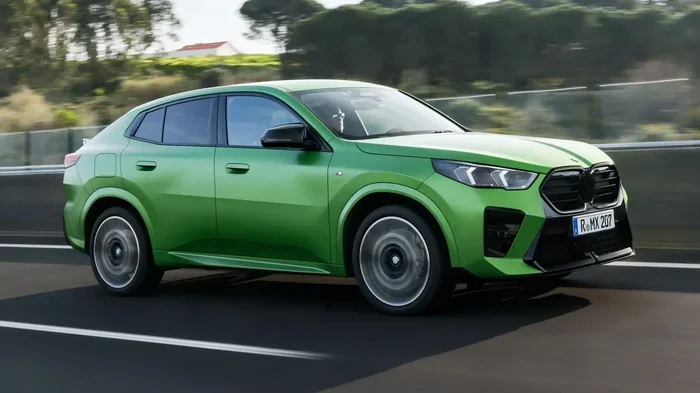
Visual guide about BMW X2 SUV side profile
Image source: car-images.bauersecure.com
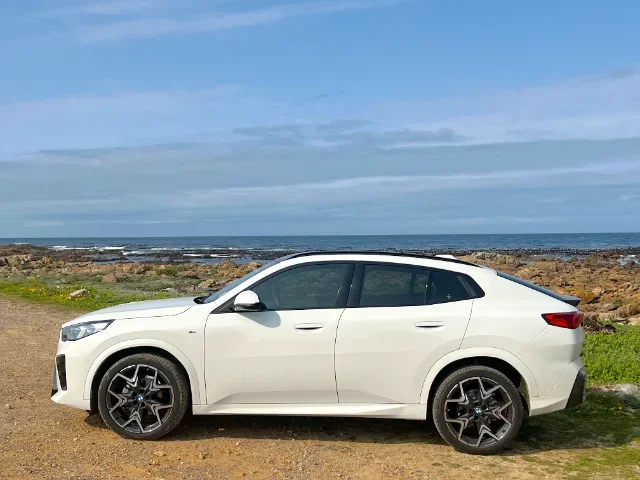
Visual guide about BMW X2 SUV side profile
Image source: img.autotrader.co.za
Highway Cruising
On the open road both trims are quiet and composed. The 8‑speed automatic shifts smoothly. The xDrive28i’s extra weight is barely noticeable at 70 mph, but you may feel a slight increase in road noise from the rear drivetrain components.
Snow and Wet Conditions
This is where xDrive shines. The system can send up to 100 % of torque to the rear axle within milliseconds. In snow, the xDrive28i climbs icy grades that would spin the front tires of an sDrive. If you live where winter tires are mandatory, the sDrive28i with a good set of winter rubber can still manage, but xDrive adds a safety margin.
Light Off‑Road Use
Neither trim is a rock‑crawler. However, the xDrive28i can handle gravel roads, shallow mud, and steep driveway entrances better. The sDrive28i may lose traction on loose surfaces because all torque stays up front.
Cost of Ownership: Maintenance, Insurance, Resale
Maintenance Costs
Both models share the same engine, transmission, and brake components. Routine service intervals are identical. The xDrive28i adds a transfer case fluid change every 60,000 miles, which adds a modest cost. For deeper drivetrain issues, you can read about common drivetrain malfunction causes and solutions to stay ahead of problems.
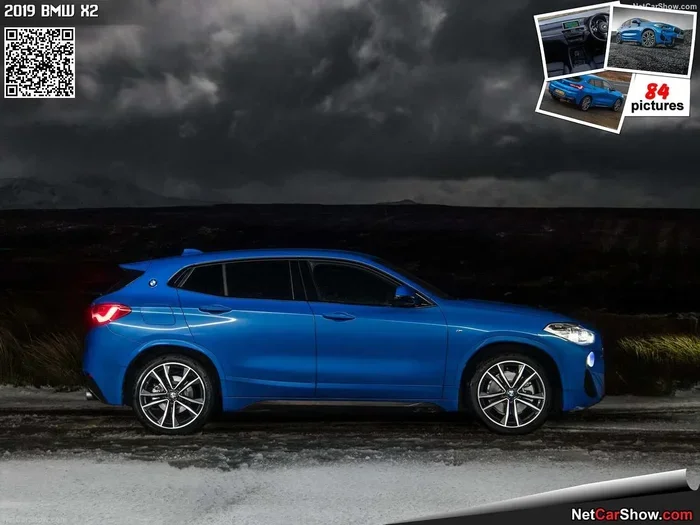
Visual guide about BMW X2 SUV side profile
Image source: netcarshow.com
Insurance Rates
Insurers typically charge a few percent more for all‑wheel‑drive vehicles because they are often driven in higher‑risk climates. Expect a $100‑$200 annual premium increase for the xDrive28i.
Resale Value
All‑wheel‑drive crossovers tend to hold value better in northern markets. In southern states the gap narrows. For a broader look at long‑term reliability, see the most reliable BMW models for longevity.
Quick Tips for Choosing the Right X2 Trim
- Assess your climate: Snowy winters → xDrive. Mild winters → sDrive.
- Calculate fuel savings: If you drive 20,000 mi/year, the sDrive saves roughly $150‑$200 annually.
- Test drive both: Feel the steering weight and launch traction yourself.
- Check tire options: Run‑flat tires are standard; learn more about BMW run‑flat tire design, benefits, and care.
- Consider lease deals: Manufacturers often subsidize xDrive leases in winter months.
Common Mistakes Buyers Make
- Assuming AWD equals better handling in all cases: On dry pavement the lighter sDrive can actually feel sharper.
- Ignoring the weight penalty: Extra 150 lb reduces fuel economy and slightly lengthens braking distance.
- Overlooking tire choice: Summer tires on an xDrive in snow defeat the purpose of AWD.
- Skipping the test drive in rain: Wet‑road behavior reveals the real benefit of torque vectoring.
- Focusing only on MSRP: Total cost of ownership includes fuel, insurance, and maintenance.
Expert Insights: What BMW Engineers Say
BMW’s chassis engineers designed xDrive to be transparent. In normal driving the system stays in front‑wheel‑drive mode to save fuel. Only when wheel slip is detected does it engage the rear axle. This means the xDrive28i does not suffer a permanent fuel penalty; the EPA numbers reflect the average engagement.
They also note that the rear‑biased torque split (up to 100 % rear) helps the X2 maintain neutral handling during spirited cornering, a trait usually reserved for larger X‑models.
Final Thoughts
Choosing between the sDrive28i and xDrive28i comes down to where you drive and what you value. If you want the lowest purchase price, best fuel economy, and a lighter, more agile feel, the sDrive28i is the smart pick. If you face snow, rain, or occasional gravel, the xDrive28i gives you peace of mind with only a modest cost increase. In either case you get the same premium interior, the same 228‑hp turbo engine, and the same BMW driving DNA. Remember the core question: what is the difference between sDrive28i and xDrive28i on the BMW X2 – it’s all about the driven wheels.
Frequently Asked Questions
What is the main mechanical difference between sDrive28i and xDrive28i?
The sDrive28i uses front‑wheel drive only, while the xDrive28i adds BMW’s xDrive all‑wheel‑drive system with a transfer case and rear differential.
Does the xDrive28i have a different engine?
No. Both trims share the identical 2.0‑liter TwinPower Turbo four‑cylinder producing 228 hp and 258 lb‑ft of torque.
How much does all‑wheel drive affect fuel economy?
The xDrive28i loses about 2 mpg in the city and 2 mpg on the highway compared with the sDrive28i, according to EPA estimates.
Is the xDrive28i worth the extra $2,000?
If you regularly drive in snow, heavy rain, or on unpaved roads, the added traction and higher towing capacity justify the premium. In warm, dry climates the sDrive28i offers better value.
Can I add xDrive later to an sDrive28i?
No. The all‑wheel‑drive hardware is integrated into the vehicle’s chassis and cannot be retrofitted after purchase.
Which trim holds resale value better?
In regions with winter weather, the xDrive28i typically retains a higher resale percentage. In mild climates the difference is minimal.