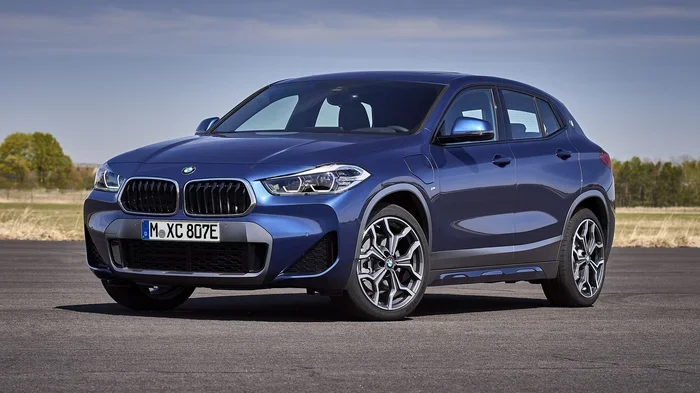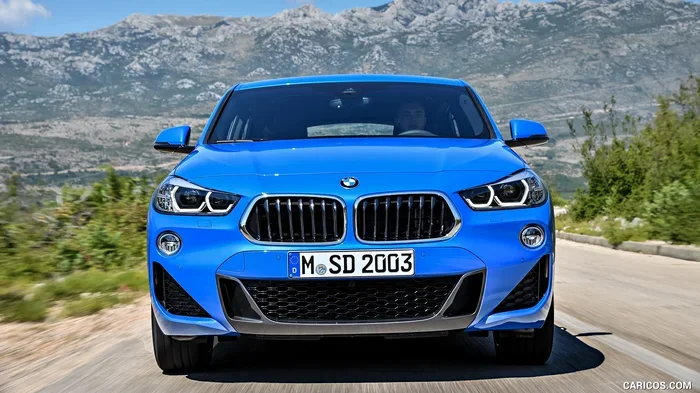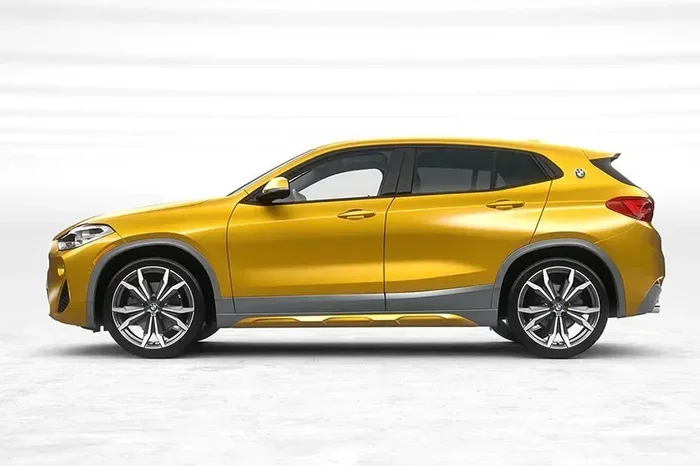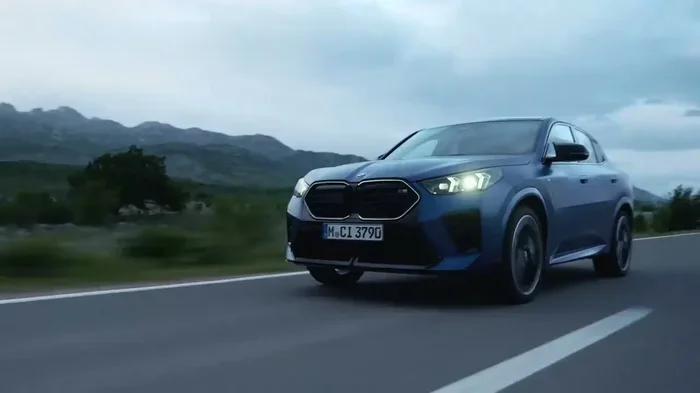
Featured image for BMW X2 xDrive28i badge
Image source: blogger.googleusercontent.com
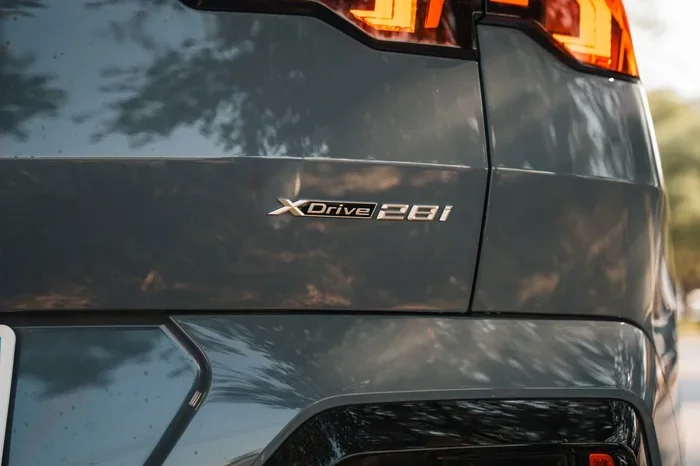
The BMW X2 xDrive28i badge signifies a compact luxury SUV equipped with BMW’s xDrive all-wheel-drive system and a 2.0-liter TwinPower Turbo inline-four engine. The “28” represents the performance tier (roughly 228-241 hp), while the “i” denotes gasoline fuel injection. This guide explains exactly how this combination translates to real-world performance, fuel economy, and driving dynamics so you can decide if it is the right trim for you.
Shopping for a BMW X2 can feel like learning a new language. You see badges like sDrive18i, xDrive20d, M35i, and right in the middle sits the xDrive28i. It looks like a random mix of letters and numbers, but every character tells a specific story about what sits under the hood and how the car handles the road. If you have ever wondered what does xdrive28i mean on a bmw x2, you are in the right place. We are going to decode the badge, explore the engineering, and help you understand exactly what you get for your money.
Think of the badge as a shorthand resume for the car. It covers the drivetrain, the engine size, the fuel type, and the performance potential all at once. By the end of this article, you will be able to walk onto a dealership lot—or scroll through listings online—and know precisely what that badge promises. Let’s dive in.
Key Takeaways
- xDrive means All-Wheel Drive: It provides superior traction in rain, snow, and rough roads compared to the front-wheel-drive sDrive models.
- 28i Equals the 2.0L Turbo Engine: The “28” badge identifies the B48 2.0-liter TwinPower Turbo inline-four, typically producing 228 to 241 horsepower.
- The “i” Stands for Gasoline Injection: This suffix distinguishes gas models from diesel (“d”) or plug-in hybrid (“e”) variants in the lineup.
- Performance is Brisk: Expect 0-60 mph times in the low 6-second range, making it the sweet spot for daily driving fun.
- Fuel Economy Remains Respectable: EPA estimates typically land around 23-25 MPG combined, balancing power with efficiency.
- It Sits at the Top of the Non-M Range: The xDrive28i is usually the highest standard trim before stepping up to the M35i performance model.
- Run-Flat Tires are Standard: Most X2 models come with run-flats, eliminating the spare tire but allowing limited driving after a puncture.
📑 Table of Contents
- Breaking Down the Badge: xDrive vs. sDrive
- The Numbers Game: What “28i” Really Tells You
- Under the Hood: The B48 Engine Explained
- Performance and Driving Dynamics
- Features, Tech, and Standard Equipment
- xDrive28i vs. The Competition (and sDrive28i)
- Maintenance, Reliability, and Ownership Costs
- Quick Tips for Buyers
- Expert Insights: Is the xDrive28i the “Goldilocks” Trim?
- Conclusion
Breaking Down the Badge: xDrive vs. sDrive
The first part of the badge—xDrive—is arguably the most important for your daily driving experience. It is BMW’s marketing name for their all-wheel-drive (AWD) system. If the badge said sDrive, that would mean the car is front-wheel drive (FWD) only.
How xDrive Works on the X2
Unlike traditional truck-based 4×4 systems that are either on or off, xDrive is an intelligent, fully variable system. It uses an electronically controlled multi-plate clutch located in the transfer case. Here is the cool part: it can send 100% of the engine’s torque to the front wheels, 100% to the rear wheels, or anything in between—in milliseconds.
- Normal Driving: Under typical highway cruising, the system sends most power to the front wheels to save fuel.
- Slip Detected: The moment the front wheels lose grip (ice, wet leaves, hard acceleration), the clutch locks up instantly to shunt power rearward.
- Cornering: It works with the stability control (DSC) to help rotate the car into corners, reducing understeer.
Why Choose xDrive Over sDrive?
If you live anywhere with real winters, xDrive is a game-changer. It transforms the X2 from a fair-weather commuter into a year-round vehicle. Even in dry climates, xDrive improves launch traction and handling stability during spirited driving. The penalty? A slight weight gain (roughly 100-150 lbs) and a minor hit to fuel economy—usually 1-2 MPG combined.
For a deeper look at how BMW names these systems across the whole lineup, check out our guide on decoding BMW vehicle designations.
The Numbers Game: What “28i” Really Tells You
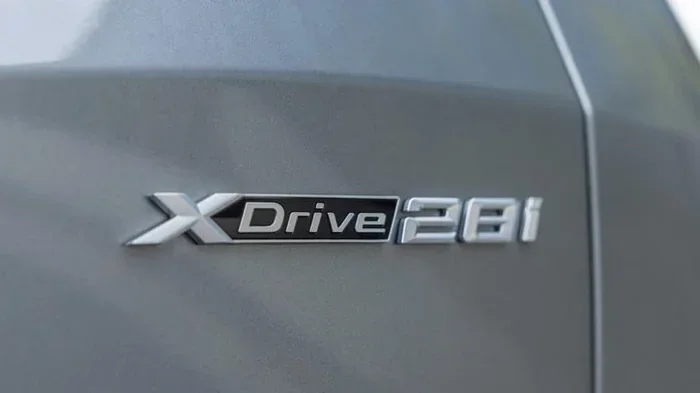
Now for the “28i” portion. This follows a specific logic that BMW has used for years, though it has evolved. It breaks down into two distinct parts: the number “28” and the letter “i”.
Visual guide about BMW X2 xDrive28i badge
Image source: img-s-msn-com.akamaized.net
The “28”: Performance Tier, Not Displacement
This is the biggest misconception. The “28” does NOT mean a 2.8-liter engine. In the past, BMW numbers roughly matched displacement (a 328i had a 2.8L engine). Today, with turbocharging, the number represents a performance tier or “virtual displacement.”
The “28” tier signifies the higher-output version of the 2.0-liter engine family. In the current X2 (U10 chassis, 2024+), the xDrive28i uses the B48 engine tuned to 241 horsepower and 295 lb-ft of torque. In the previous generation (F39 chassis, 2018-2023), the xDrive28i made 228 horsepower and 258 lb-ft. Both fall into the “28” performance bracket.
The “i”: Gasoline Direct Injection
The lowercase “i” is simple: it stands for gasoline fuel injection (specifically direct injection on modern engines).
- i = Gasoline (Petrol)
- d = Diesel
- e = Plug-in Hybrid (PHEV)
So, xDrive28i literally translates to: “All-Wheel Drive + High-Output 2.0L Turbo Gas Engine.” If you want to master the rest of the alphabet soup on the trunk lid, our article on what the letters on a BMW stand for covers every suffix in detail.
Under the Hood: The B48 Engine Explained
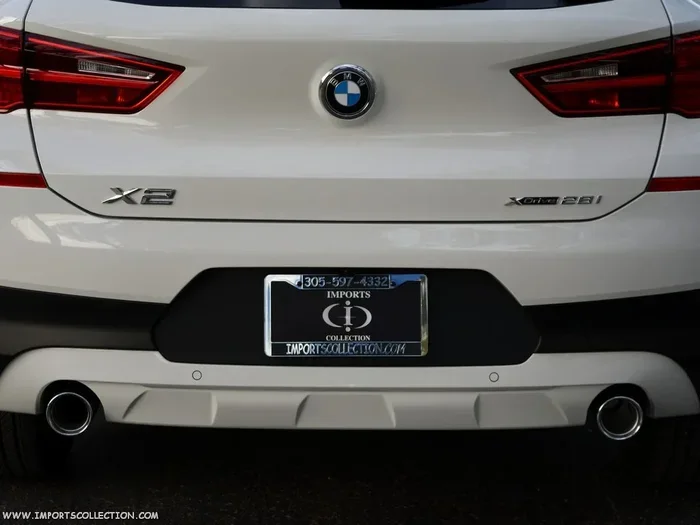
The heart of the xDrive28i is the B48 2.0-liter TwinPower Turbo inline-four. This engine is a modular masterpiece. It shares architecture with the 3-cylinder B38 and the 6-cylinder B58, meaning it benefits from massive economies of scale and proven reliability.
Visual guide about BMW X2 xDrive28i badge
Image source: importscollection.com
TwinPower Turbo: What Does It Actually Mean?
Marketing loves the term “TwinPower Turbo,” but technically, the B48 uses a single twin-scroll turbocharger. The “Twin” refers to the twin-scroll turbine housing, which separates exhaust pulses from cylinder pairs (1-4 and 2-3) to keep the turbo spinning efficiently across the rev range. This virtually eliminates turbo lag.
Key B48 Tech Specs
- Architecture: Inline-4, aluminum block and head.
- Valvetrain: Valvetronic (fully variable valve lift) + Double VANOS (variable cam timing).
- Injection: High-pressure direct injection (up to 350 bar / 5,000 psi).
- Cooling: Electric water pump and map-controlled thermostat for rapid warm-up.
- Output (Current Gen): 241 hp @ 5,000-6,500 rpm / 295 lb-ft @ 1,500-4,000 rpm.
Reliability Outlook
The B48 is widely considered one of BMW’s most reliable modern engines. It uses a timing chain (not a belt) designed for the life of the engine, though early N20 engines (predecessor) had chain guide issues—the B48 fixed this with a robust chain tensioner design. Common maintenance items include the valve cover/gasket (integrated PCV valve) and coolant expansion tank around 60k-80k miles. For a broader look at long-term ownership, see our piece on identifying the most reliable BMW models.
Performance and Driving Dynamics
Numbers on a spec sheet are one thing; how it feels behind the wheel is another. The xDrive28i hits a genuine sweet spot in the X2 lineup.
Visual guide about BMW X2 xDrive28i badge
Image source: vehicle-images.carscommerce.inc
Acceleration and Passing Power
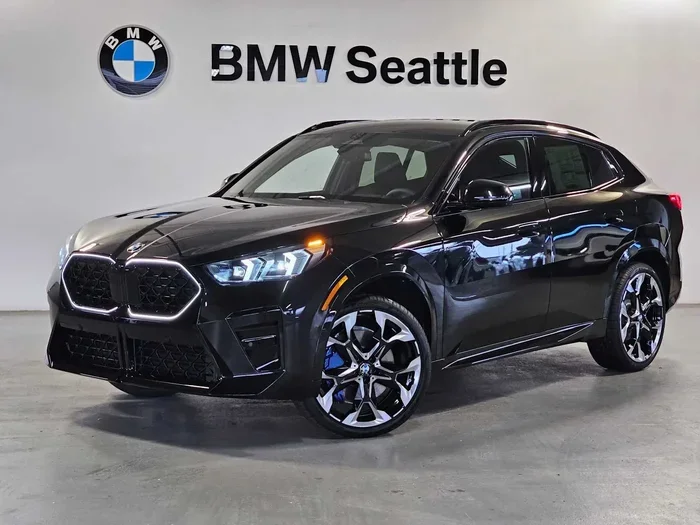
With 241 hp (current gen) moving roughly 3,700 lbs, the sprint to 60 mph takes about 6.2 seconds. That is genuinely quick—faster than many “sport sedans” from a decade ago. The 295 lb-ft of torque arrives at just 1,500 rpm, meaning you have instant shove for highway merging without waiting for the engine to spool up.
The 7-Speed Dual-Clutch Transmission (DCT)
The current X2 xDrive28i uses a 7-speed Steptronic Dual-Clutch Transmission (DCT). This is a crucial detail. Unlike the torque-converter ZF 8-speed in larger BMWs, the DCT offers lightning-fast shifts and a direct mechanical connection. It makes the car feel sharper and more responsive, especially in Sport mode. The previous generation used the excellent 8-speed ZF automatic; both are great, but the DCT suits the X2’s sporty character perfectly.
Chassis Tuning: Sporty but Livable
The X2 rides on the FAAR front-wheel-drive architecture (shared with Mini and the X1). The xDrive28i gets a specific suspension tune—stiffer springs, dampers, and anti-roll bars than the sDrive20i. It corners flat and turns in eagerly. The steering is electrically assisted; it is precise and quick (variable ratio), though it lacks the old-school hydraulic feedback purists crave.
Driving Modes: Eco Pro, Comfort, Sport
The Driving Dynamics Control switch lets you change the car’s personality instantly.
- Eco Pro: Remaps throttle, shifts early, coasts (decouples engine), and limits climate control to maximize MPG. Great for long highway trips.
- Comfort: The daily default. Smooth shifts, light steering, balanced response.
- Sport: Holds gears longer, sharpens throttle, weights up steering, and opens the exhaust flap (if equipped with M Sport exhaust). This is where the xDrive28i feels like a proper BMW.
Understanding these modes helps you get the most from the car. You can read more about the specific fuel-saving logic in our breakdown of what Eco Pro means on a BMW.
Features, Tech, and Standard Equipment
The xDrive28i badge usually denotes the top-tier “standard” trim before the M Performance models (M35i). As such, it comes very well equipped.
Exterior Highlights
- Wheels: 19-inch M Light Alloy wheels (often standard on M Sport trim).
- Lighting: Adaptive LED headlights with matrix high-beam function (non-dazzling).
- Roof Rails: Standard aluminum rails for practicality.
- M Sport Package: Usually standard or very common on 28i models; adds aerodynamic kit, shadowline trim, and M steering wheel.
Interior & Tech (Current U10 Generation)
- Curved Display: The signature 10.25″ digital cluster + 10.7″ touchscreen running BMW OS 9/9.5.
- No iDrive Controller: The rotary knob is gone; everything is touch, voice, or steering wheel controlled.
- Vegan Leather (Veganza): Standard seating material; looks and feels like leather, wears well.
- Heated Front Seats & Wheel: Often standard or in the Cold Weather Package.
- Harman Kardon Audio: Available upgrade; highly recommended for audiophiles.
- Head-Up Display: Available; projects speed/nav onto windshield.
Safety & Driver Assists
Standard “Active Driving Assistant” includes:
- Forward Collision Warning with City Braking.
- Lane Departure Warning.
- Speed Limit Info.
- Automatic High Beams.
Optional “Driving Assistance Professional” adds adaptive cruise control with stop & go, active lane keeping, and traffic jam assist (hands-off at low speeds on highways).
xDrive28i vs. The Competition (and sDrive28i)
Context is everything. How does the xDrive28i stack up against its stablemate and rivals?
xDrive28i vs. sDrive28i (FWD)
| Feature | xDrive28i (AWD) | sDrive28i (FWD) |
|---|---|---|
| 0-60 MPH | ~6.2 sec | ~6.5 sec |
| Traction (Snow/Wet) | Excellent | Good (with winter tires) |
| Weight | ~3,750 lbs | ~3,600 lbs |
| MPG Combined (EPA) | ~25 MPG | ~27 MPG |
| Price Premium | +$2,000 – $2,500 | Base |
Verdict: If you see snow once a year, buy the sDrive28i and spend the savings on a dedicated set of winter tires. You will have better snow traction than an xDrive on all-seasons, and better dry handling due to lower weight. If you face regular unplowed roads or want max dry-road grip, pay for xDrive.
xDrive28i vs. M35i
The M35i uses a higher-tune B48 (312 hp / 295 lb-ft), standard M Sport Differential (mechanical limited-slip rear), sportier suspension, bigger brakes, and quad exhaust tips. It hits 60 mph in ~5.2 seconds. It costs roughly $5k-$6k more. The xDrive28i is 85% of the performance for 90% of the price—and rides better on broken pavement.
vs. Audi Q3 45 TFSI Quattro & Mercedes GLA 250 4MATIC
- Audi Q3: Similar power (228 hp), uses a torque-converter 8-speed. Interior tech (Virtual Cockpit) is excellent. Ride is softer. BMW wins on driving engagement.
- Mercedes GLA 250: 221 hp, 8-speed DCT. Best interior ambiance and MBUX infotainment. Rear seat space is tighter. BMW wins on chassis balance and steering feel.
Maintenance, Reliability, and Ownership Costs
Buying the car is step one; keeping it running is step two. The xDrive28i is relatively cheap to maintain if you follow the schedule.
The Maintenance Schedule (Condition Based Servicing)
BMW uses CBS (Condition Based Servicing). The car tells you what it needs via the iDrive screen. Key intervals:
- Engine Oil & Filter: Every 10,000 miles or 12 months (use BMW LL-01 FE 0W-20 or 0W-30). Pro Tip: Change it every 7,500 miles for peace of mind on a turbo engine.
- Brake Fluid: Every 2 years.
- Coolant: “Lifetime” fill, but inspect level annually. Replace at 100k miles.
- Transfer Case / Rear Diff Fluid (xDrive only): BMW says “lifetime,” but enthusiasts change it every 60k miles. It’s cheap insurance for the AWD clutch packs.
- Spark Plugs: Every 60,000 miles.
- Air Filters (Engine & Cabin): Every 2 years / 20k miles.
Common Issues to Watch
- Coolant Leaks: The plastic coolant expansion tank and thermostat housing get brittle with heat cycles. Check for pink/blue crusty residue.
- Valve Cover Gasket / PCV: The valve cover integrates the PCV valve. If you hear a whistle at idle or see smoke on cold start, the cover assembly needs replacement (~$600-900 parts/labor).
- Run-Flat Tire Replacement: The X2 lacks a spare. You must replace run-flats with run-flats (or carry a mobility kit/spare kit). They ride firmer and cost 20-30% more than standard tires. Learn more about the pros and cons in our guide to BMW run-flat tires.
- Drivetrain Malfunction Warning: Rare on B48, but if you see “Drivetrain Malfunction” on the dash, it puts the car in limp mode. It’s often a sensor (crank/cam) or boost leak. Don’t panic; read our article on BMW drivetrain malfunction meaning for troubleshooting steps.
Fuel Requirements
Premium Unleaded (91 AKI / 93 RON) is REQUIRED. The high compression ratio and aggressive turbo tuning demand high octane to prevent knock. Running 87 octane will pull timing, reduce power, lower MPG, and risk long-term engine damage. Budget accordingly.
Quick Tips for Buyers
- Check the Build Date: Late 2023 build = Old Gen (F39). March 2024+ build = New Gen (U10). They are vastly different cars. The U10 is larger, tech-heavy, and more powerful.
- Verify M Sport Package: On used models, confirm M Sport suspension/seats/wheels. It transforms the look and feel.
- Pre-Purchase Inspection (PPI): Always get a PPI from an independent BMW specialist before buying used. Cost: $150-$300. Saves thousands.
- Tire Matching: xDrive requires all four tires to be within 2/32″ tread depth of each other. Mismatched tires destroy the transfer case clutch. Budget for a full set of 4.
Expert Insights: Is the xDrive28i the “Goldilocks” Trim?
In my experience driving every X2 variant, the xDrive28i is the one to get for 80% of buyers. Here is why:
- The base sDrive20i (170 hp) feels underpowered for a 3,500 lb SUV, especially at highway speeds.
- The M35i is thrilling but stiff, loud, and expensive to run (brakes, tires, fuel).
- The xDrive28i gives you the torque you need for safe passing, the AWD security for weather, the M Sport aesthetics, and the full tech suite—without the harshness of the M car.
It retains value well, insures cheaper than the M35i, and sips fuel reasonably if you resist the Sport mode temptation.
Conclusion
So, what does xdrive28i mean on a bmw x2? It means you are looking at the smart, balanced choice in the lineup. You get the confidence of xDrive all-wheel drive, the punchy efficiency of the B48 2.0L TwinPower Turbo engine (the “28” tier), and the refinement of gasoline direct injection (the “i”).
It is a compact SUV that drives like a hot hatch, carries gear like a crossover, and coddles you with modern tech. Whether you are navigating a snowy mountain pass or carving a canyon road, the xDrive28i badge promises—and delivers—a genuinely complete driving experience. Now that you speak the language, you can shop with total confidence.
Frequently Asked Questions
Is the BMW X2 xDrive28i reliable?
Yes, the B48 engine in the xDrive28i has a strong reliability track record. It avoids the timing chain issues of the older N20 engine. Regular oil changes every 7,500 miles and proactive cooling system maintenance are the keys to long-term durability.
Does the X2 xDrive28i require premium gas?
Absolutely. BMW requires 91 octane (93 preferred) for all turbocharged gasoline engines. Using regular fuel reduces power, hurts fuel economy, and can cause engine knock over time.
What is the difference between xDrive28i and sDrive28i?
The only difference is the drivetrain. xDrive28i has all-wheel drive; sDrive28i is front-wheel drive. The engine, transmission, features, and interior are identical. xDrive adds ~150 lbs and costs roughly $2,000 more.
How fast is the BMW X2 xDrive28i?
The current generation (2024+) with 241 hp hits 60 mph in approximately 6.2 seconds. The previous generation (2018-2023) with 228 hp does it in about 6.6 seconds. Both feel quick in daily driving due to strong low-end torque.
Does the X2 xDrive28i have a spare tire?
No. Like almost all modern BMWs, the X2 comes standard with run-flat tires and a tire mobility kit (sealant/compressor) instead of a spare tire. This saves weight and trunk space but means you must replace tires with run-flats.
What year did the X2 xDrive28i get the bigger screen?
The BMW Curved Display (connected 10.25″ + 10.7″ screens) debuted on the redesigned 2024 model year (U10 chassis). Models 2023 and older have the traditional separate cluster and center screen with the iDrive rotary knob.