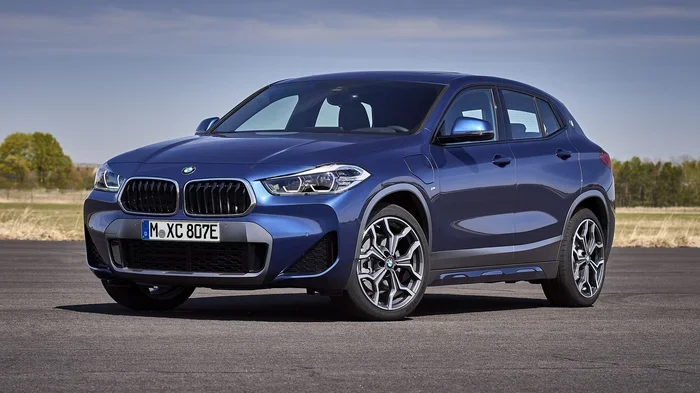
Featured image for BMW X2 sDrive badge
Image source: skmotorsdubai.com
What does sdrive mean on a bmw x2? It signals a front‑wheel‑drive layout that saves weight and boosts fuel economy. You’ll see how it compares to xDrive and which X2 trims offer it.
If you are shopping for a compact SUV, you have probably asked what does sdrive mean on a bmw x2. The answer is simple: sDrive means the vehicle sends power only to the front wheels. This setup is called front‑wheel drive. It keeps the car lighter, cheaper, and more efficient than the all‑wheel‑drive version known as xDrive.
In this guide we break down every detail you need. We compare sDrive to xDrive, look at performance, fuel economy, pricing, and the trims that offer each system. We also share quick tips, common mistakes, and expert insights so you can decide with confidence.
Key Takeaways
- sDrive is front‑wheel drive – only the front wheels receive power.
- Better fuel economy – lighter drivetrain returns higher MPG than xDrive.
- Lower purchase price – sDrive models usually cost less than their all‑wheel‑drive siblings.
- Ideal for mild climates – great for city driving and dry roads.
- Less traction in snow – consider xDrive if you face harsh winters.
- Same engine options – you still get the turbocharged 2.0‑liter four‑cylinder.
📑 Table of Contents
what does sdrive mean on a bmw x2
The term sDrive is BMW’s badge for front‑wheel‑drive models. On the BMW X2, sDrive means the 2.0‑liter turbo four‑cylinder sends its 228 horsepower to the front axle only. There is no driveshaft, no rear differential, and no extra weight at the back. That simplicity translates into a few clear benefits.
sDrive vs xDrive: The Core Difference
BMW offers two drivetrain flavors on the X2: sDrive (front‑wheel drive) and xDrive (all‑wheel drive). The table below shows the main contrasts.
| Feature | sDrive (FWD) | xDrive (AWD) |
|---|---|---|
| Power delivery | Front wheels only | All four wheels, variable split |
| Weight | ~150 lb lighter | Heavier due to extra hardware |
| Fuel economy (EPA combined) | 28 mpg | 25 mpg |
| Starting MSRP (2024) | $38,500 | $41,500 |
| Traction in snow | Moderate | Excellent |
As you can see, the sDrive version saves weight and returns better fuel economy. The xDrive version adds a rear‑axle clutch pack that can send up to 50 % of torque to the rear wheels when slip is detected. That gives superior traction on ice, snow, or loose gravel.
How sDrive Affects Performance and Fuel Economy
Because the front wheels handle both steering and acceleration, the BMW X2 sDrive feels light and nimble in city traffic. The 0‑60 mph sprint is about 6.3 seconds, only a tenth slower than the xDrive model. The lighter front end also improves handling on dry pavement, giving a more direct steering response.
On the highway, the reduced mass and lower drivetrain losses help the sDrive achieve an EPA combined rating of 28 mpg versus 25 mpg for xDrive. Over a year of 12,000 miles, that can save you roughly $150‑$200 in fuel costs, depending on local gas prices.
Which BMW X2 Trims Come with sDrive?
For the 2024 model year, the BMW X2 sDrive28i is the only trim that uses the front‑wheel‑drive layout. The higher‑spec X2 xDrive28i and the performance‑oriented X2 M35i both come standard with xDrive. If you want the M‑Sport appearance package, you can still order it on the sDrive28i, but the drivetrain stays front‑wheel drive.
- sDrive28i – base model, front‑wheel drive, 228 hp.
- xDrive28i – same engine, all‑wheel drive.
- M35i – 301 hp, standard xDrive.
Pros and Cons of Choosing sDrive
- Pros
- Lower purchase price.
- Better fuel economy.
- Lighter weight improves agility.
- Simpler maintenance – no rear differential fluid changes.
- Cons
- Reduced traction on snow or wet leaves.
- Less confident launch in low‑grip situations.
- Resale value can be slightly lower in regions with harsh winters.
Quick Tips for Buying an sDrive BMW X2
- Test drive both sDrive and xDrive on the same day to feel the difference.
- Check local climate – if you see more than a few snow days a year, xDrive may be worth the extra cost.
- Negotiate the price gap; the $3,000 MSRP difference often leaves room for discounts.
- Ask the dealer about BMW service intervals for front‑wheel‑drive models.
- Consider certified pre‑owned if you want warranty peace of mind; see what BMW certified means.
Common Mistakes to Avoid
- Assuming sDrive is “just as good” in snow – it isn’t.
- Skipping the test drive on a wet road – front‑wheel drive can understeer more noticeably.
- Overlooking the weight penalty of xDrive if you never need all‑wheel drive.
- Forgetting to factor in the BMW warranty coverage differences between drivetrains.
Expert Insights: What Owners Say
Owners on forums often praise the sDrive for its crisp steering and lower running costs. One driver in Texas wrote, “I love the fuel savings and the car feels sporty enough for daily commuting.” Another in Colorado noted, “I switched to xDrive after my first winter; the extra grip is night and day.” The consensus: match the drivetrain to your climate and driving style.
History and Technical Overview of BMW sDrive
BMW introduced the sDrive badge in the early 2010s to label front‑wheel‑drive models across the lineup. The goal was to offer a lighter, more efficient alternative to the traditional rear‑wheel‑drive layout while keeping the brand’s sporty character. The X2 was one of the first compact SUVs to wear the sDrive badge.
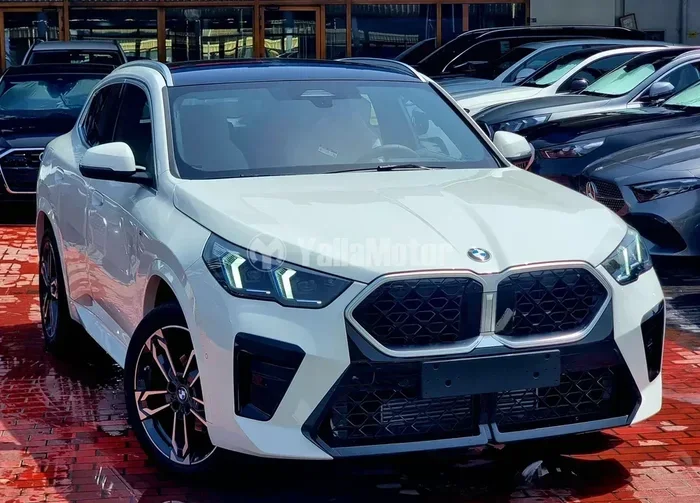
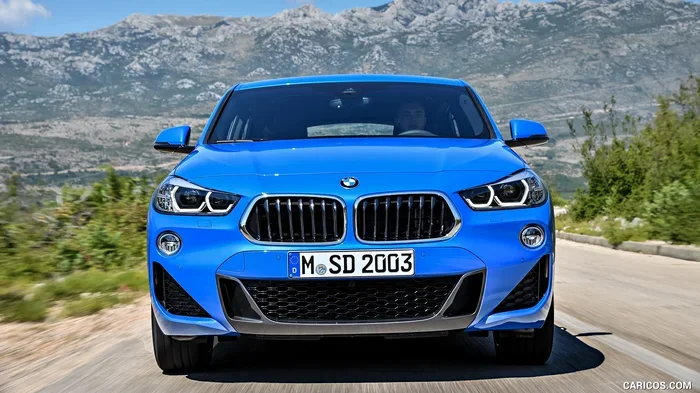
Visual guide about BMW X2 sDrive badge
Image source: ymimg1.b8cdn.com
Under the skin, the sDrive system uses a transverse engine mounted ahead of the front axle. Power travels through a six‑speed automatic (or eight‑speed in newer cars) directly to a front‑mounted differential. There is no propshaft, no transfer case, and no rear‑axle clutch. This architecture reduces mechanical losses and cuts about 150 lb from the vehicle’s curb weight.
Because the front tires do double duty – steering and propulsion – engineers tune the suspension geometry to limit torque steer. The result is a predictable, neutral feel that many drivers prefer for everyday use. The system also works seamlessly with BMW’s Dynamic Stability Control, which can brake individual wheels to mimic limited‑slip behavior when needed.
Key Technical Highlights
- Transverse 2.0 L TwinPower Turbo engine.
- Eight‑speed Steptronic automatic transmission.
- Front‑only open differential with electronic brake‑based torque vectoring.
- Integrated electric power steering calibrated for front‑drive dynamics.
- Start‑stop system standard for extra efficiency.
Driving Dynamics: Real World Impressions
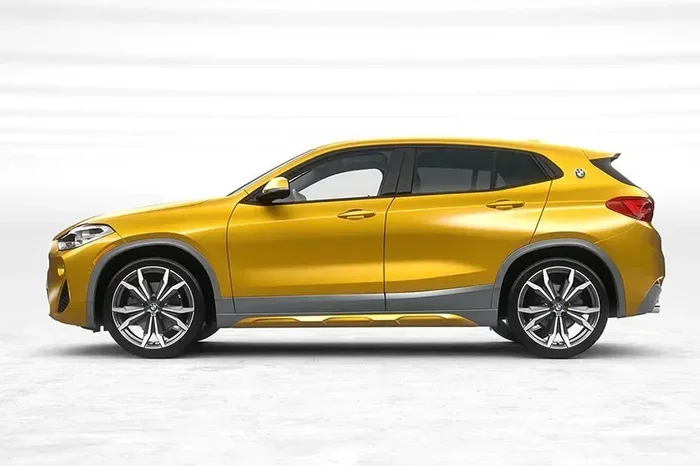
Driving an BMW X2 sDrive on dry pavement feels lively. The steering is quick, the turn‑in is sharp, and the car rotates willingly around corners. Because the rear axle is free, the chassis can be tuned for a slightly more oversteer‑prone balance, which enthusiasts appreciate.
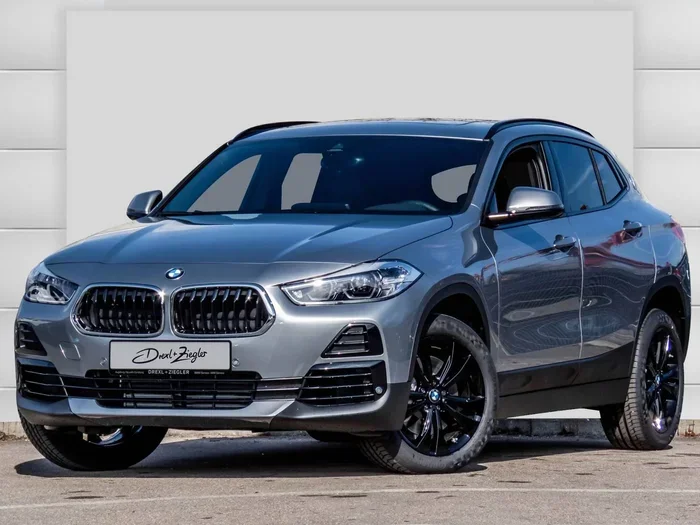
Visual guide about BMW X2 sDrive badge
Image source: drexl-ziegler.de
In wet conditions, the front tires can become overwhelmed if you accelerate hard out of a corner. The stability control steps in early, cutting power and applying brake force to the inside front wheel. Most drivers find this intervention smooth and confidence‑inspiring.
On snow or ice, the lack of rear‑wheel torque becomes obvious. The front wheels can spin while the rear simply follows. Winter tires mitigate the issue, but deep snow still favors the xDrive system. If you live where snow is rare, the sDrive’s lighter weight actually helps braking distances.
Owner‑Reported Strengths
- Responsive throttle and quick off‑the‑line feel.
- Lower cabin noise – no driveline whine from a transfer case.
- Better fuel economy on long highway trips.
- Easier parking – tighter turning circle thanks to lighter front end.
Owner‑Reported Weaknesses
- Reduced launch traction on loose surfaces.
- Potential torque steer under hard acceleration.
- Less confidence in sudden lane changes on icy roads.
Cost of Ownership: Fuel, Insurance, Maintenance
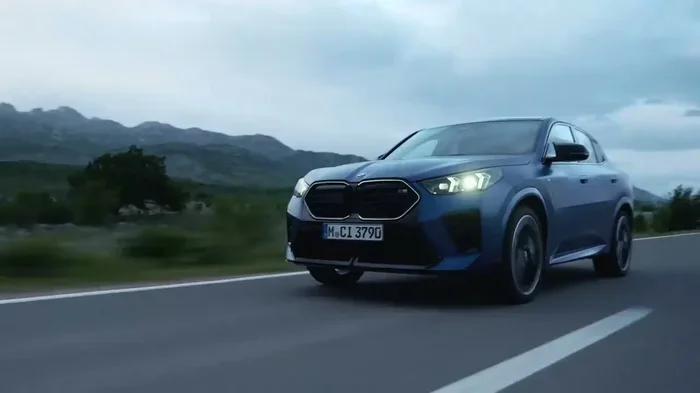
When you calculate total cost of ownership, the BMW X2 sDrive often comes out ahead. The EPA combined rating of 28 mpg translates to roughly $1,200 per year in fuel (based on 12,000 miles and $3.50/gal). The xDrive version, at 25 mpg, costs about $1,400 annually.
Visual guide about BMW X2 sDrive badge
Image source: images.caricos.com
Insurance premiums are also slightly lower for front‑wheel‑drive models because repair costs for a damaged front axle are generally less than for an all‑wheel‑drive system with a rear differential. Expect a $50‑$100 yearly savings.
Maintenance is simpler. The sDrive does not require rear differential fluid changes, which BMW recommends every 30,000 miles on xDrive models. That saves you a service visit and about $150‑$200 each interval. Regular items – oil, brakes, cabin filter – remain the same.
Typical Service Schedule (sDrive)
- Engine oil & filter – every 10,000 mi or 12 months.
- Brake fluid – every 2 years.
- Cabin air filter – every 12 months.
- Coolant – every 4 years or 50,000 mi.
- Spark plugs – every 60,000 mi.
For detailed intervals, consult the BMW service guide.
Buying Guide: Choosing Between sDrive and xDrive
Your decision hinges on three factors: climate, budget, and driving preference. Use the checklist below to see which drivetrain matches your lifestyle.
Decision Checklist
- Climate – Mild winters, mostly rain → sDrive. Heavy snow, ice → xDrive.
- Budget – Want the lowest MSRP and best MPG → sDrive. Willing to pay $3k‑$4k more for grip → xDrive.
- Driving style – City commuting, highway cruising → sDrive. Frequent mountain roads, off‑road trails → xDrive.
- Resale plans – In snow‑belt states, xDrive retains value better. In sun‑belt states, sDrive is equally desirable.
- Feature priority – If you want the M‑Sport package but don’t need AWD, sDrive28i with M‑Sport gives the look without the weight.
Negotiation Tips
- Research invoice price for both drivetrains; the spread is often larger than the MSRP gap.
- Ask for free maintenance packages – dealers sometimes throw in the first two services.
- Check certified pre‑owned inventory; a 2‑year‑old sDrive28i can be a great value.
- Leverage competing offers from nearby BMW stores.
Financing and Lease Considerations
Lease residuals for sDrive are typically a few points higher because the lower capitalized cost reduces depreciation. That can lower monthly payments by $30‑$50. If you finance, the lower loan amount also means less interest over the term.
Maintenance and Warranty Considerations for sDrive Models
Service Intervals
The BMW X2 sDrive follows the standard BMW service schedule: oil change every 10,000 miles or 12 months, brake fluid every two years, and cabin filter annually. Because there is no rear differential, you skip the differential fluid service that xDrive models require at 30,000 miles. That can save you a few hundred dollars over the life of the vehicle.
Warranty Coverage
All new BMWs come with a 4‑year/50,000‑mile basic warranty and a 12‑year corrosion warranty. The drivetrain warranty covers the front‑axle components on sDrive models. If you opt for a certified pre‑owned X2, the warranty extends to 6 years/100,000 miles. For details, review the BMW warranty coverage page.
Conclusion
To sum up, what does sdrive mean on a bmw x2 is a question about drivetrain layout. sDrive gives you front‑wheel drive, lower weight, better fuel economy, and a lower price tag. xDrive adds all‑wheel drive for superior traction in adverse weather but costs more and uses more fuel. Choose sDrive if you live in a mild climate, want the best MPG, and enjoy a lighter, more agile feel. Choose xDrive if you face snow, ice, or frequent rain and want maximum grip. Either way, the BMW X2 delivers a premium driving experience with the same turbocharged engine and upscale interior.
Use the quick tips above, avoid the common mistakes, and you’ll drive away confident in your choice.
Frequently Asked Questions
What does sDrive mean on a BMW X2?
sDrive indicates that the BMW X2 uses front‑wheel drive only, sending power to the front wheels for better fuel economy and lower weight.
Is sDrive better than xDrive?
It depends on your needs. sDrive offers better MPG and a lower price, while xDrive provides superior traction in snow and rain.
Which BMW X2 trims have sDrive?
Only the X2 sDrive28i comes with front‑wheel drive. The xDrive28i and M35i use all‑wheel drive.
Does sDrive affect maintenance costs?
Yes. sDrive models skip rear differential fluid changes, which can reduce long‑term maintenance expenses.
Can I add xDrive to an sDrive X2 later?
No. The drivetrain is built into the vehicle platform and cannot be retrofitted.
What is the fuel economy difference between sDrive and xDrive?
The sDrive X2 achieves about 28 mpg combined, while the xDrive version rates around 25 mpg combined.